
Why The Trump Administration Is Supporting Japan's Weakening Yen
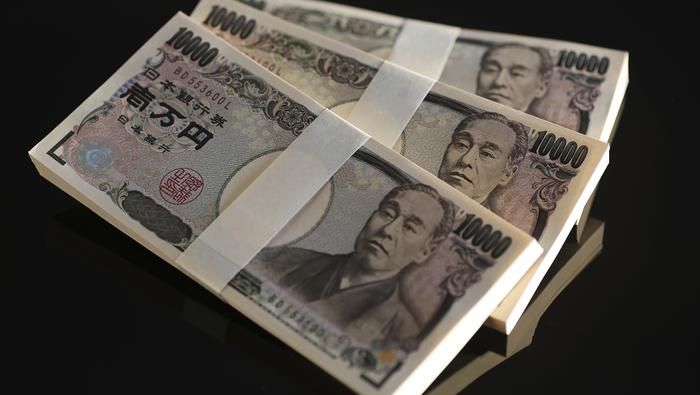
The United States has taken the unusual step of working alongside Japan to support the Japanese yen, marking one of the first coordinated currency interventions between the two allies in decades.
The move comes after the yen fell to its weakest level in around 40 years against the US dollar, raising concerns about financial stability and international trade. The intervention reflects a significant shift in the Trump administration's approach. While President Donald Trump has previously criticised Japan over trade and currency policies, his administration now argues that an excessively weak yen could create broader economic problems extending well beyond Japan.
One major concern is the risk of instability in global financial markets. A rapidly depreciating yen encourages investors to engage in so-called carry trades, where they borrow cheaply in yen to invest in higher-yielding assets elsewhere. If these trades unwind suddenly, they can trigger sharp movements across global stock, bond, and currency markets.
Another reason for US support is Japan's position as the largest foreign holder of US Treasury securities. Analysts warn that if Japan were forced to sell large quantities of Treasuries to defend its currency independently, borrowing costs in the United States could rise and financial markets could become more volatile. Supporting the yen helps reduce that risk.
The weakening yen has also increased the cost of imported energy and raw materials for Japan, placing additional pressure on households and businesses. Because Japan relies heavily on imported fuel, currency depreciation has amplified the impact of higher global energy prices.
US Treasury Secretary Scott Bessent said Washington would do "whatever it takes" to support Japan's efforts to stabilise the currency, describing the partnership as important for maintaining global economic stability. He also indicated that the United States supports Japan's use of financial facilities that reduce pressure on both countries' markets.
Despite the intervention, economists caution that currency market operations alone are unlikely to solve the problem permanently. They say longer-term stability will depend on broader economic policies, including future Bank of Japan interest-rate decisions and continued efforts to narrow the gap between Japanese and US monetary policy.
For now, the coordinated action has helped strengthen the yen and calm financial markets. The intervention demonstrates how closely connected the world's largest economies have become, with policymakers seeking to prevent a weakening Japanese currency from triggering wider economic disruption across global markets.
Got a news story or tip to share? Contact our editorial team by emailing news@lakelandpost.co.uk or call us directly on 0333 090 2080.