
Venezuela Earthquakes Become First Major Leadership Test For President Delcy Rodríguez
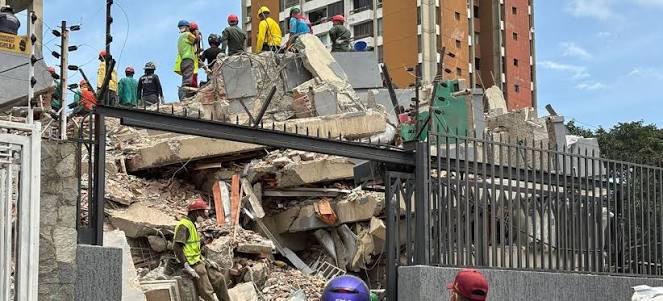
The powerful earthquakes that recently struck Venezuela have created the first significant leadership challenge for President Delcy Rodríguez, placing her administration under intense public and international scrutiny as emergency response efforts continue across the affected regions.
The twin earthquakes caused widespread damage to homes, public buildings, roads, and essential infrastructure, forcing thousands of residents to leave their communities in search of safety. Rescue teams, emergency services, and volunteers have been working around the clock to locate survivors, assist displaced families, and restore access to vital services.
As aftershocks continued to shake parts of the country, authorities urged residents to remain cautious and follow emergency guidance. Temporary shelters have been established for people who lost their homes, while medical teams have been deployed to provide treatment and humanitarian assistance to those affected.
For President Delcy Rodríguez, the disaster represents a defining moment early in her presidency. Citizens and political observers are closely watching how the government manages rescue operations, coordinates relief efforts, and delivers support to communities facing the enormous challenge of rebuilding their lives.
Government officials have pledged to mobilise all available resources to accelerate rescue missions and begin long term recovery work. Authorities say restoring electricity, water supplies, healthcare facilities, and transportation networks remains a top priority as emergency crews continue assessing the full extent of the destruction.
Humanitarian organisations have stressed the importance of rapid aid distribution, warning that thousands of families require food, clean drinking water, medical care, and temporary accommodation. Relief agencies are also monitoring vulnerable communities where damaged infrastructure could complicate access to essential services.
Disaster management experts note that the coming weeks will be critical for both emergency recovery and public confidence. Effective coordination between national authorities, local governments, and international partners will play a key role in determining how quickly affected areas can recover from the disaster.
The earthquakes have also renewed discussions about disaster preparedness and the resilience of public infrastructure. Specialists argue that stronger building standards, improved emergency planning, and investment in disaster response capabilities will be essential to reducing the impact of future natural disasters.
Despite the enormous challenges, rescue workers continue searching damaged areas while communities demonstrate resilience by supporting neighbours and participating in relief efforts. Volunteers across the country have joined emergency operations, helping distribute supplies and assist families displaced by the earthquakes.
As Venezuela enters the long recovery process, the government's response is expected to shape both public confidence and the country's future disaster management policies. The crisis has become not only a humanitarian emergency but also a significant test of President Delcy Rodríguez's leadership as the nation works toward recovery and rebuilding.
Got a news story or tip to share? Contact our editorial team by emailing news@lakelandpost.co.uk or call us directly on 0333 090 2080.