
US Supreme Court Rejects Trump Mail Ballot Restrictions Ahead Of Midterms.
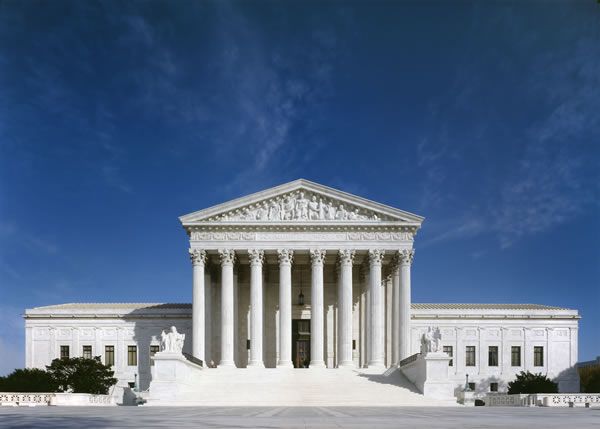
The US Supreme Court has rejected President Donald Trump’s bid to enforce new restrictions on mail-in ballots, delivering a setback to the administration’s efforts to change voting procedures ahead of the November midterm elections.
The court’s decision leaves in place a lower-court order that blocked a new US Postal Service rule targeting the way mail-in ballots are handled. The administration had asked the Supreme Court to intervene and allow the policy to take effect before voting begins in many parts of the country.
The proposed changes followed an executive order signed by Trump in March aimed at tightening federal rules surrounding mail voting. Under the plan, states would have been required to provide voter information to the Postal Service and use ballot envelopes meeting federal requirements.
The Postal Service would also have been able to reject ballots that did not meet the new standards or were not connected to voters appearing on the required lists. Critics argued that introducing such changes so close to the election could create confusion and potentially prevent legitimate ballots from being counted.
A federal judge, Indira Talwani, had previously blocked the rule, finding that its implementation could raise constitutional and practical problems. A second federal judge, Carl J. Nichols, also issued an injunction against the administration’s plan, adding to the legal challenges surrounding the policy.
The Supreme Court’s ruling means states can continue using their existing mail-voting systems as preparations for the 2026 elections continue. Mail ballots represent a significant part of voting in the United States, with some states relying heavily on voting by mail.
Two conservative justices, Samuel Alito and Clarence Thomas, dissented from the Supreme Court’s decision, according to AP. Justice Brett Kavanaugh indicated that he could potentially support broader federal authority over mail voting rules in the future, while expressing concerns about implementing the changes immediately before an election.
The ruling is likely to remain an important part of the wider political and legal debate over election administration, voting access and federal authority in the United States. For now, however, election officials can continue preparing for the midterms under existing mail-ballot procedures rather than the restrictions sought by the Trump administration.
Got a news story or tip to share? Contact our editorial team by emailing news@lakelandpost.co.uk or call us directly on 0333 090 2080.