
US Launches Strikes On Iran After Vessel Attack In Strait Of Hormuz
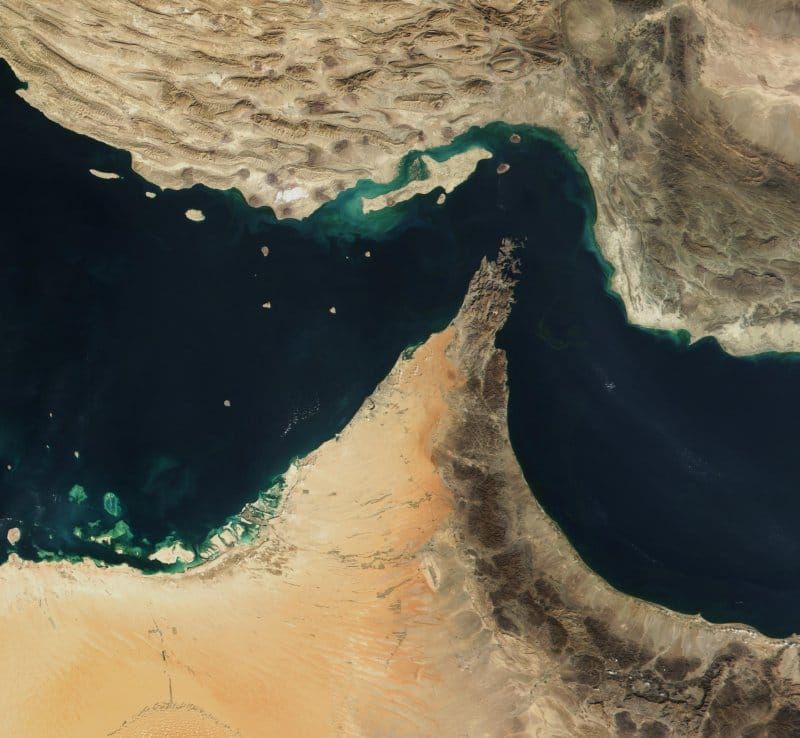
The Middle East has entered another period of heightened uncertainty after the United States carried out military strikes on Iran, following reports of an attack involving a vessel in the strategically important Strait of Hormuz.
The latest developments have significantly increased regional tensions, with governments around the world closely monitoring the situation. The Strait of Hormuz is one of the world's most vital maritime routes, carrying a substantial share of global oil and gas shipments, making any disruption a matter of international concern.
According to reports, the military action followed an incident in which a vessel came under attack while operating in or near the waterway. The United States responded by launching strikes that it said were connected to protecting regional security and safeguarding international shipping.
The escalation has prompted renewed diplomatic efforts as world leaders call for restraint and urge all parties to avoid actions that could lead to a broader conflict. International organisations have also appealed for dialogue and de escalation to reduce the risk of further instability across the region.
Security analysts warn that continued military exchanges could have far reaching consequences beyond the Middle East. Any prolonged disruption in the Strait of Hormuz has the potential to affect global energy supplies, international trade, and financial markets due to the waterway's strategic importance.
Governments across Europe, Asia, and the Gulf are closely assessing the evolving situation while reviewing potential impacts on their citizens, commercial shipping, and regional security interests. Maritime authorities are also monitoring vessel movements to ensure safe navigation through the area.
The latest confrontation comes amid an already fragile geopolitical environment, with diplomatic relations between several regional and international powers remaining under strain. Observers believe that preventing further escalation will require sustained diplomatic engagement from multiple countries.
Humanitarian organisations have also expressed concern about the potential impact of an expanding conflict on civilian populations. They continue to call for adherence to international law and the protection of civilians as tensions remain high.
Military and foreign policy experts note that the coming days could prove critical as governments evaluate their responses and diplomatic channels remain active. Any additional military action could influence security dynamics throughout the Middle East and beyond.
As the situation continues to evolve, global attention remains focused on developments involving the United States, Iran, and the Strait of Hormuz. International leaders continue urging restraint while emphasising that diplomacy remains the most effective path toward restoring regional stability.
The latest escalation highlights the strategic importance of the Gulf region and serves as a reminder of how events in one of the world's busiest maritime corridors can have significant consequences for global security, energy markets, and international relations.
Got a news story or tip to share? Contact our editorial team by emailing news@lakelandpost.co.uk or call us directly on 0333 090 2080.