
Trump Vows To Make Strait Of Hormuz US Territory Pretty Soon.
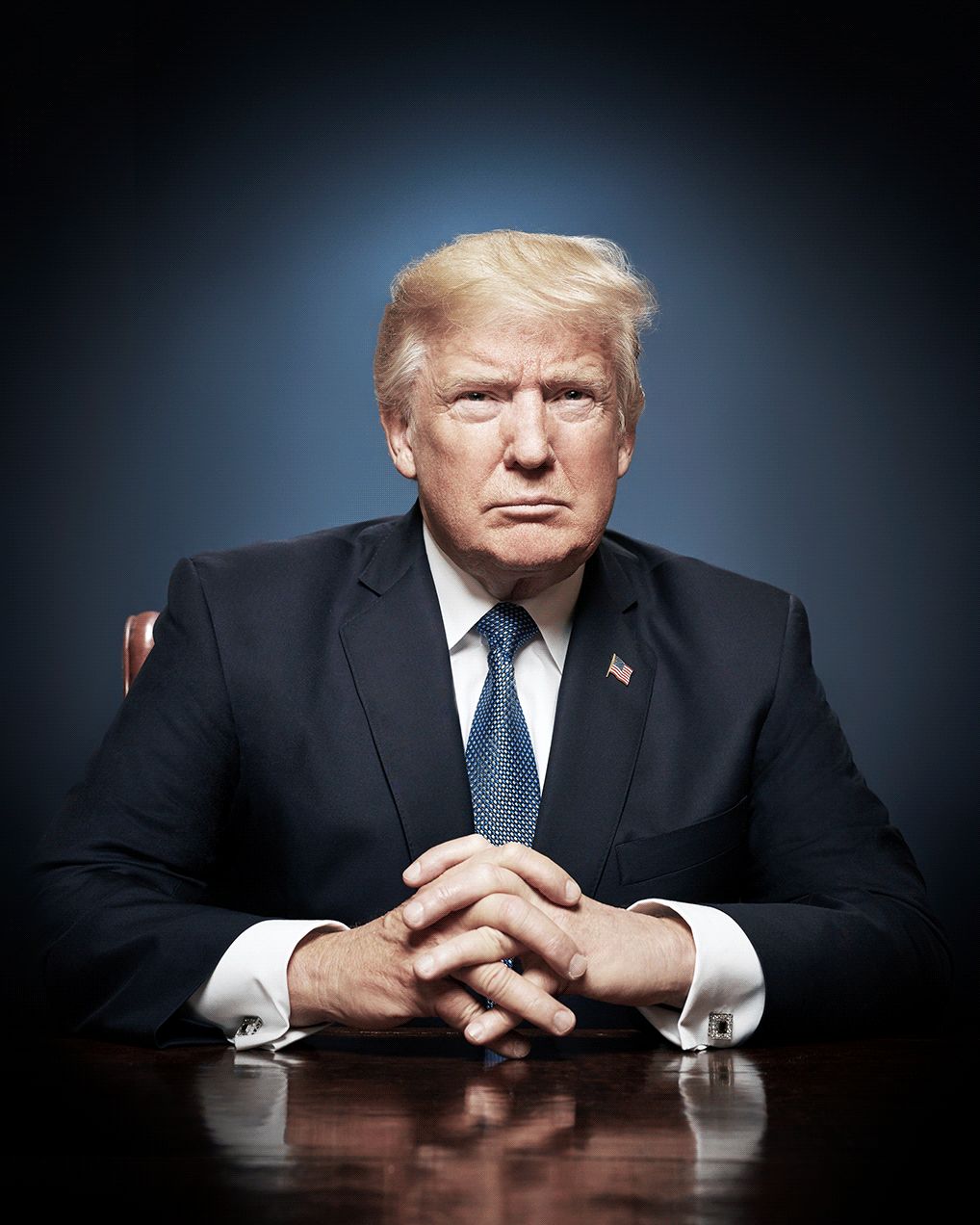
US President Donald Trump has vowed to make the Strait of Hormuz a US territory, saying the move would happen “pretty soon” after what he described as the defeat of Iran.
Trump made the remarks during a speech in New York as the conflict between the United States and Iran continues and international concern grows over the future of one of the world's most important shipping routes. The Strait of Hormuz connects the Persian Gulf with the Gulf of Oman and is a crucial route for international energy supplies. Its strategic importance has made control and access to the waterway a central issue in the ongoing confrontation between Washington and Tehran.
Trump said the United States already has a blockade in place and claimed that ships are unable to pass through the strait unless American forces allow them to do so. He argued that the US had effectively taken control of the waterway during the conflict. However, Iran has strongly rejected Trump's comments. Iranian Deputy Foreign Minister Kazem Gharibabadi said the strait would remain Iranian and that Tehran would continue enforcing its blockade until the United States accepts defeat.
Trump did not provide details explaining how the United States would legally or practically turn the international waterway into US territory. The comments have nevertheless intensified an already serious dispute over the strait, where shipping activity has fallen sharply amid the conflict. The disruption has created concerns about global energy supplies, transport costs and the wider economic impact of the war.
The Strait of Hormuz is particularly important because a substantial share of the world's oil and gas supplies normally passes through the waterway. Any prolonged disruption can therefore have consequences far beyond the Middle East. The latest remarks come as Washington prepares additional economic pressure on Iran, with the Trump administration seeking to force Tehran to end the conflict and address the issue of its nuclear programme.
Trump has also defended the economic consequences of the conflict, including higher fuel prices, arguing that preventing Iran from developing a nuclear weapon is worth the additional cost faced by American consumers. At the same time, Iran has continued to insist that it controls access through the strait and has rejected demands that would allow unrestricted shipping under US conditions.
The disagreement has created a major obstacle to diplomatic efforts aimed at ending the conflict. While negotiations and international mediation efforts have continued, the two sides remain far apart on the conditions required for a settlement.
The situation has also raised concerns among commercial shipping operators, many of whom have reduced or suspended activity through the region because of the security risks. Any further military escalation around the waterway could increase pressure on global energy markets and create additional uncertainty for countries that depend on supplies travelling through the Gulf.
Trump's declaration has therefore added another highly controversial element to the conflict, with questions likely to remain over whether the United States could actually establish territorial control over the strait. For now, Iran continues to reject Washington's claim, while Trump has indicated that his administration intends to maintain pressure on Tehran until it accepts the terms being demanded by the United States. The latest development underlines the growing importance of the Strait of Hormuz in the wider conflict and the potentially far reaching consequences of any attempt to change its status.
Got a news story or tip to share? Contact our editorial team by emailing news@lakelandpost.co.uk or call us directly on 0333 090 2080.