
Swiss Voters Reject Population Cap Proposal in Landmark Referendum
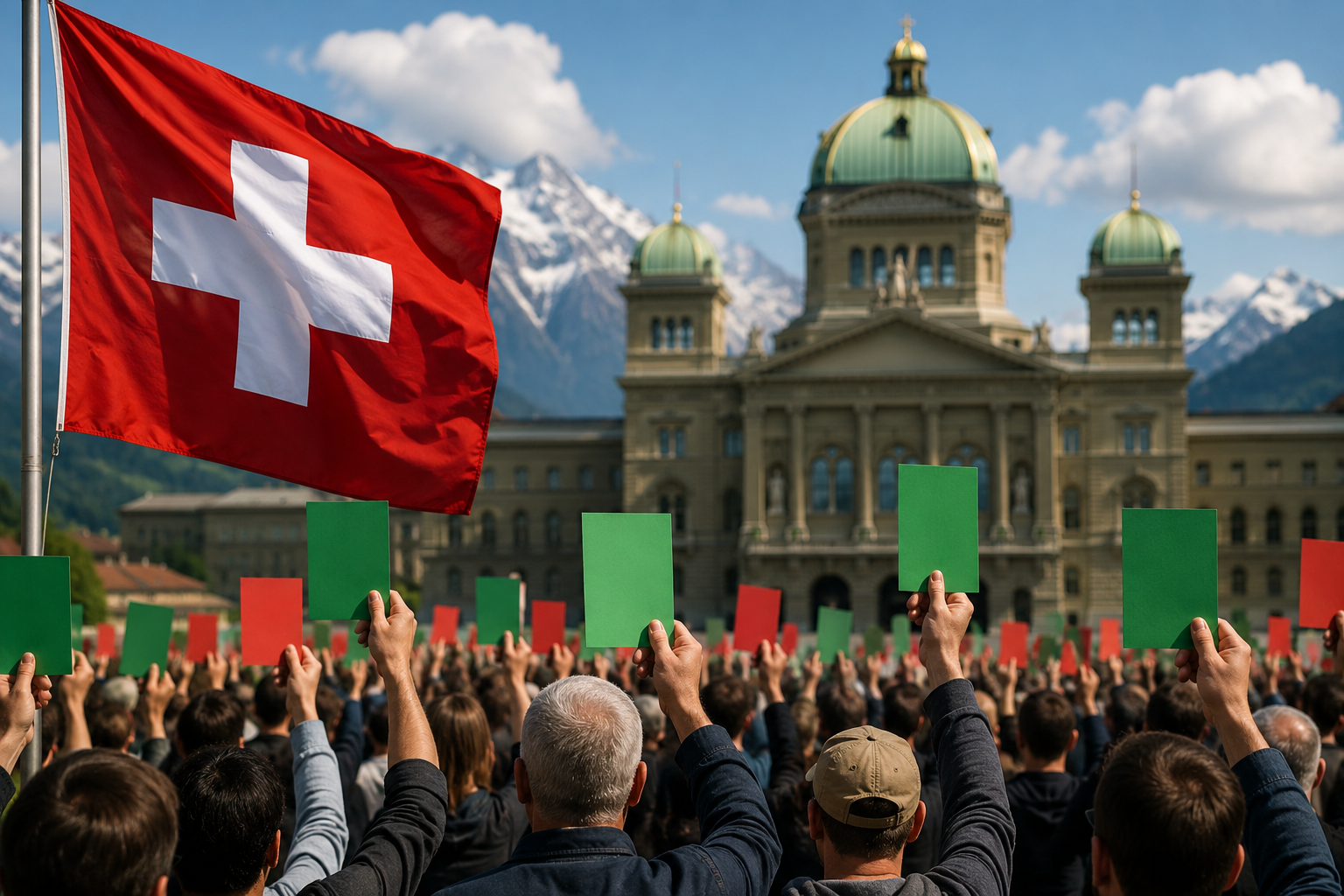
Swiss voters have rejected a proposal that sought to limit the country’s population to 10 million people by 2050, according to official projections following a nationwide referendum.
The initiative, backed by the right-wing Swiss People’s Party (SVP), aimed to curb immigration and slow population growth, but ultimately failed to gain majority support.
Preliminary results indicated that around 55% of voters opposed the measure, while approximately 45% supported it. Had the proposal passed, the Swiss government would have been required to introduce strict measures to reduce population growth, including tighter rules on immigration, family reunification, and asylum applications.
The initiative was driven by concerns over rising housing costs, pressure on public infrastructure, and the rapid growth of Switzerland’s population, which currently stands at about 9.1 million. Supporters argued that continued immigration was placing an increasing burden on transportation networks, healthcare services, and natural resources.
However, opponents including the Swiss government, business organizations, and many economic experts—warned that the proposal could have serious consequences for the country’s economy. They argued that Switzerland relies heavily on foreign workers in sectors such as healthcare, technology, finance, and manufacturing. Restricting immigration, they said, could lead to labour shortages and reduce economic competitiveness.
One of the most controversial aspects of the proposal involved Switzerland’s relationship with the European Union. If the population had exceeded the proposed threshold, the government could have been forced to end agreements allowing the free movement of people between Switzerland and EU member states. Critics warned that such a move could jeopardize trade and economic cooperation with the bloc, Switzerland’s most important trading partner.
Despite the proposal’s defeat, analysts say the vote demonstrates continuing public concern about immigration and population growth. The result also reflects a divide between urban and rural areas, with support for the initiative stronger in some rural regions while major cities largely voted against it.
The referendum outcome is being viewed as a victory for Switzerland’s business community and supporters of closer cooperation with Europe. Nevertheless, political observers expect the debate over immigration, housing, and infrastructure to remain a major issue in Swiss politics in the years ahead.
Got a news story or tip to share? Contact our editorial team by emailing news@lakelandpost.co.uk or call us directly on 0333 090 2080.