
Russian State TV’s Solovyov Issues New NATO Threat as Tensions in Ukraine War Intensify
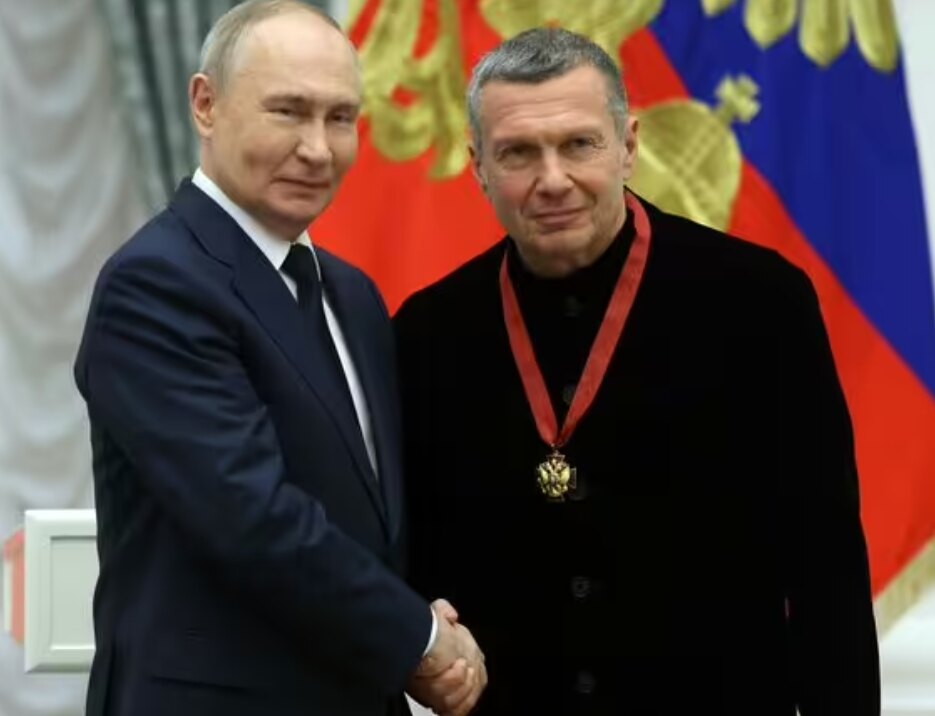
Moscow’s long-conflict with Ukraine and rising tensions with the West has spilled once again into public rhetoric, as Russian state television host Vladimir Solovyov issued aggressive warnings about NATO and Western countries.
Solovyov, a prominent Kremlin-aligned broadcaster known for his hardline views on the Ukraine war and Western policy, has repeatedly framed the conflict as broader than a bilateral fight between Russia and Ukraine. In his broadcasts he has suggested that Russia’s confrontation now includes NATO itself, and has made inflammatory calls against NATO member capitals.
International media outlets have reported that Solovyov went so far as to threaten elements of NATO, sparking concern among analysts and foreign policy observers that such rhetoric could worsen already strained relations between Russia and Western alliances.
The ongoing war in Ukraine, now more than four years old, has been marked not only by battlefield conflict but also by persistent political and diplomatic tensions. Solovyov’s statements mirror a broader pattern of aggressive commentary from some segments of Russian state media, which often portray NATO’s support for Ukraine as a provocation and justify Moscow’s military actions as defensive.
Such rhetoric comes as Western nations continue military and economic support for Ukraine, while Russia maintains its opposition to NATO expansion and foreign troop deployments near its borders. Recent statements from Russian officials have reiterated opposition to NATO forces in Ukraine and stressed that any perceived aggression would be met with force.
Western governments, including NATO leadership, have consistently condemned escalatory language and emphasised the deterrent nature of NATO support, stressing that the alliance’s collective defence obligations remain defensive. Analysts warn that while provocative media comments like those from Solovyov are unlikely to translate directly into official state military policy, they contribute to an atmosphere of distrust and heightened alert in European capitals.
The conflict continues to dominate global geopolitical discussions, with diplomatic efforts, military developments, and strategic alliances all playing a role in shaping the broader security landscape in Europe.