
Iran Government Clashes With State TV As Mediators Push Fresh US Talks
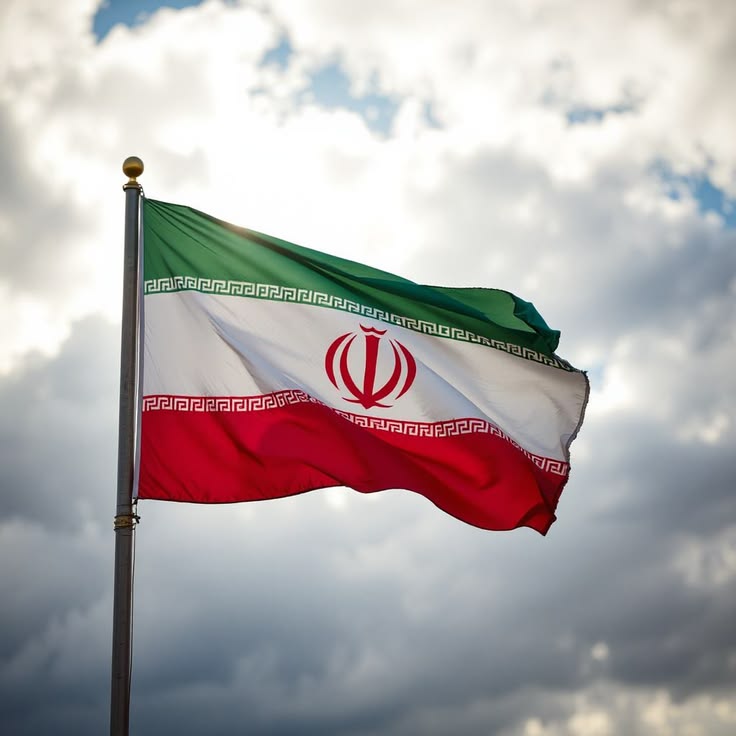
A rare public disagreement has emerged within Iran's leadership after the government accused the country's state broadcaster, IRIB, of censoring part of a speech delivered by President Masoud Pezeshkian, highlighting growing tensions as diplomatic efforts with the United States continue behind the scenes.
Iran's Government Information Council claimed that sections of the president's remarks were omitted from the broadcast, accusing the state broadcaster of censorship. The dispute quickly became public, drawing attention to differences in messaging at a time when the country is facing both internal political pressure and international negotiations.
In response, IRIB rejected the accusations, insisting that it has a responsibility to prevent broadcasts that could create the impression of divisions among Iran's leadership. The broadcaster maintained that its editorial decisions were made to preserve national unity during a period of heightened regional uncertainty.
The disagreement comes as regional mediators continue working to encourage renewed dialogue between Iran and the United States following weeks of military confrontation and diplomatic tension. Officials from several countries have been attempting to keep communication channels open in the hope of preventing further escalation.
President Pezeshkian has continued to support diplomatic engagement as a way to reduce tensions and address the country's economic challenges. However, analysts note that negotiations remain politically sensitive inside Iran, where different institutions and political factions often hold contrasting views on relations with Washington.
The dispute with the state broadcaster has therefore attracted significant attention, with observers suggesting it reflects broader debates over how Iran should present its policies during a period of international pressure. While government officials have promoted diplomacy, hardline voices continue to emphasise resistance and national security concerns.
International observers have repeatedly urged both Tehran and Washington to maintain dialogue, warning that renewed negotiations remain the most effective path towards reducing military tensions and improving regional stability. Diplomatic mediators continue to encourage both sides to return to meaningful discussions despite the difficult political environment.
The latest disagreement inside Iran illustrates the complex political landscape facing the country's leadership as it balances domestic expectations with growing international pressure. Whether renewed diplomatic efforts succeed may depend not only on negotiations with foreign governments but also on the ability of Iran's own institutions to present a consistent approach during a critical period for the region.
Got a news story or tip to share? Contact our editorial team by emailing news@lakelandpost.co.uk or call us directly on 0333 090 2080.