
Iran Demands End To US Blockade Before Strait Of Hormuz Reopens.
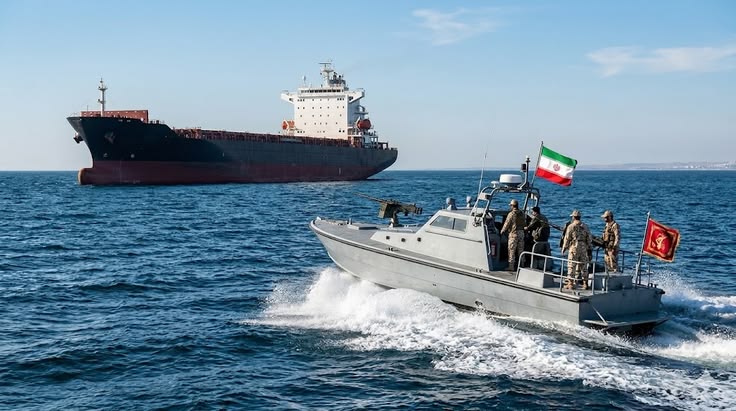
Iran has demanded that the United States end its blockade and wider military pressure before the Strait of Hormuz can be fully reopened, adding further complications to diplomatic efforts aimed at restoring shipping through the vital waterway.
The latest development comes as Iran and Oman continue negotiations over arrangements for ships travelling through the Strait of Hormuz. Iranian officials have indicated that discussions are close to an agreement, but Tehran says reopening the waterway will depend on additional conditions being met by Washington. Iran's demands reportedly include the lifting of US sanctions, an end to military threats and the withdrawal of American forces from the region. Tehran has also called for compensation for damage caused during the conflict and the release of frozen Iranian assets.
Iranian officials have stressed that an agreement with Oman alone would not automatically mean the Strait of Hormuz would return to normal operations. Tehran wants wider commitments from the United States before allowing the strategically important shipping route to fully reopen. The development comes after Iranian Foreign Minister Abbas Araghchi said talks with Oman were in their final stages, particularly over the arrangements for ships passing through the waterway. However, he also warned that reopening the strait would depend on other outstanding issues involving the United States.
The Strait of Hormuz is one of the world's most important energy routes, connecting the Persian Gulf with the Gulf of Oman. A substantial share of global oil and gas shipments normally passes through the narrow waterway, meaning prolonged disruption can have consequences for energy prices, shipping costs and international trade. The United States has also pushed for an agreement that would allow unrestricted commercial shipping through the strait. Washington has indicated that lifting its blockade of Iranian ports could form part of a wider settlement, but it wants commitments from Tehran regarding attacks and the safe movement of commercial vessels.
The opposing demands show that major differences remain despite recent diplomatic progress. While both sides appear to have an interest in restoring commercial traffic, disagreements over sanctions, military forces, compensation and security arrangements could still delay a final agreement.
The crisis has already placed significant pressure on international shipping and energy markets. Companies operating tankers and cargo vessels have faced increased uncertainty over routes, insurance and operating costs as the security situation around the waterway remains unsettled. Regional governments are also closely watching the negotiations because any prolonged closure of Hormuz could affect oil producing countries and economies that depend heavily on energy exports and imports.
Diplomatic efforts involving Oman have therefore become increasingly important. Muscat has played a mediating role between Iran and the United States, with negotiations seeking to establish conditions that could allow commercial shipping to resume while reducing the risk of further military confrontation. For Iran, however, reopening the waterway is now closely linked to broader political and security demands. Tehran's latest position suggests that the issue is not simply about shipping arrangements but is part of a much wider attempt to secure an end to the current confrontation with Washington.
The situation remains fluid, and a final agreement has yet to be reached. If the two sides can overcome their remaining differences, reopening the Strait of Hormuz could become an important step towards reducing regional tensions and restoring stability to global energy and shipping markets. For now, however, Iran's new demands have made clear that a Hormuz deal will require more than an agreement between Tehran and Muscat, with the United States expected to play a central role in determining whether the strategic waterway can fully reopen.
Got a news story or tip to share? Contact our editorial team by emailing news@lakelandpost.co.uk or call us directly on 0333 090 2080.