
Iran Claims Control Of Strait Of Hormuz As US Maintains Naval Blockade.
Tensions remain high between Iran and the United States as the six-month-old conflict enters another critical phase, with both sides making competing claims over control of the strategically important Strait of Hormuz.
Iran's Islamic Revolutionary Guard Corps (IRGC) says it has firm control over the Strait of Hormuz, accusing Washington of making misleading statements about the waterway in an attempt to influence energy prices. The United States, however, maintains that the strait remains open and cleared of mines, while its naval blockade remains fully active.
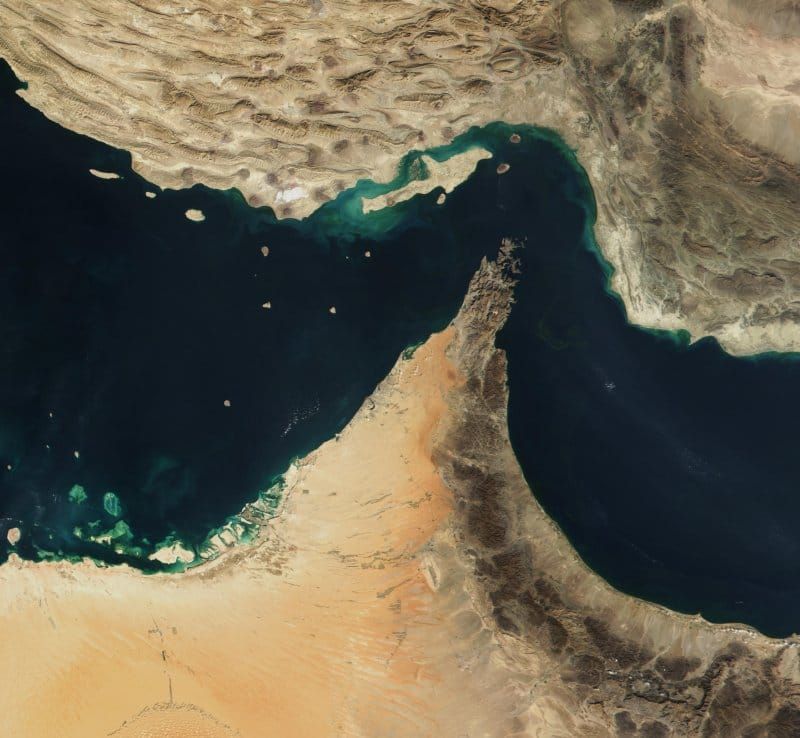
The Strait of Hormuz is one of the world's most important energy routes, connecting the Persian Gulf with the Gulf of Oman and the wider Arabian Sea. Any prolonged disruption to shipping through the waterway could have significant consequences for global oil and gas supplies. The latest confrontation comes as Washington continues its campaign of economic and military pressure against Tehran.
US officials say the naval blockade is being enforced against vessels linked to Iranian ports, while maintaining that the wider waterway remains accessible. Iran disputes the US position and says restrictions on the strait will remain until Washington ends its military actions and lifts the blockade and sanctions.
The conflicting claims have created uncertainty for international shipping companies operating in the region. Although the United States says the waterway is open, vessel traffic remains significantly below levels recorded before the war, reflecting continuing concerns about security, insurance and the risk of further confrontation.
The dispute over Hormuz has become one of the central issues in the wider Iran-US conflict. The waterway is particularly important because a substantial share of global oil shipments normally passes through the strait. Any sustained reduction in traffic can put pressure on energy markets and increase costs for countries that depend on imports.
Iran's latest statement represents a renewed challenge to Washington's claim that it has established control over the waterway. The United States has previously claimed increasing control over the strait, while Iranian officials have repeatedly rejected those assertions and maintained that Iran retains the ability to restrict shipping. At the same time, diplomatic efforts aimed at ending the conflict remain difficult.
Iran has indicated that reopening the strait could be linked to conditions including an end to the war, the lifting of the US blockade and the removal of sanctions. Washington, meanwhile, continues to apply economic pressure on Tehran.
The confrontation is also having a growing impact on Iran's economy. Reuters reports that intensified sanctions and the naval blockade have contributed to severe economic difficulties, while Iranian authorities say foreign trade has fallen substantially during the conflict.
The latest developments have therefore created a dangerous standoff over one of the world's most important maritime chokepoints. With Iran insisting that it controls the Strait of Hormuz and the United States maintaining that its naval blockade is effective while the waterway remains open, the situation remains highly uncertain. Further developments could have consequences not only for the two countries but also for global energy markets, international shipping and the wider Middle East.
Got a news story or tip to share? Contact our editorial team by emailing news@lakelandpost.co.uk or call us directly on 0333 090 2080.