
WATCH: Atlantic salmon spawn in restored West Cumbrian river for first time
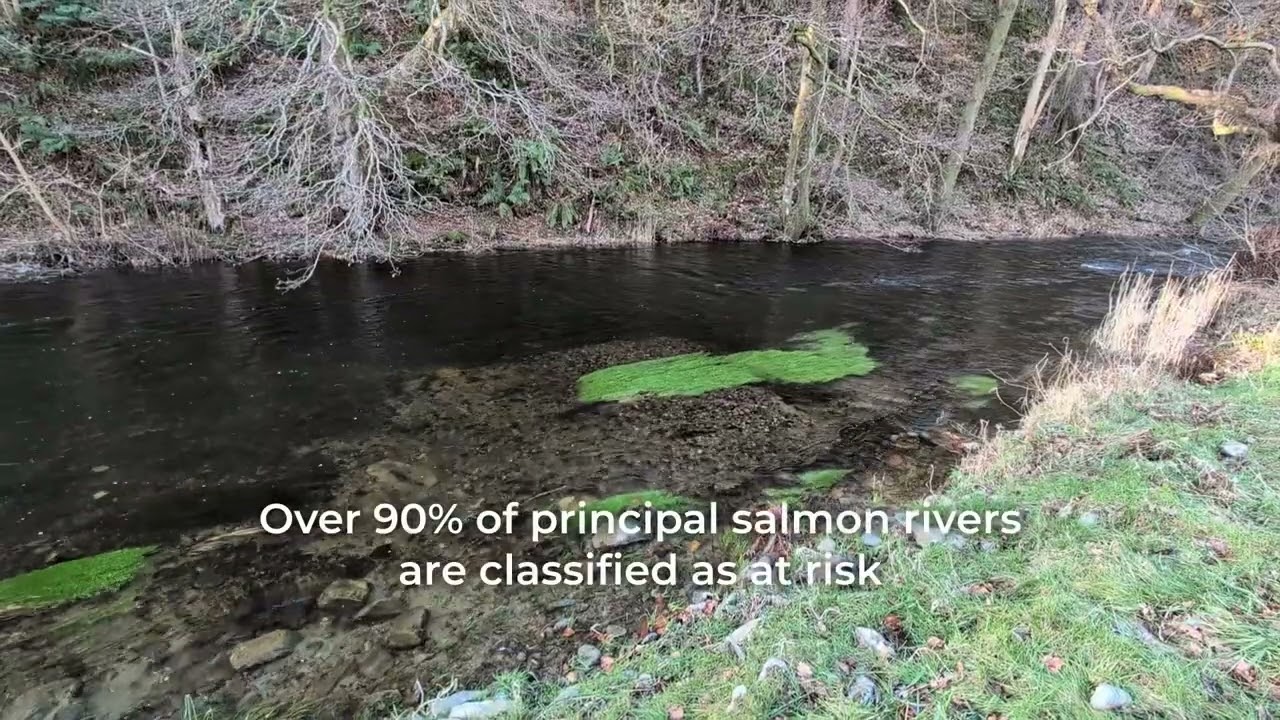
Atlantic salmon have been filmed spawning in a section of a West Cumbrian river for the first time after it underwent restoration work.
West Cumbria Rivers Trust captured the video as part of its river restoration projects that take place across the area annually.
Three Atlantic salmon were spotted reaching their spawning grounds and building nests where restoration work was carried out earlier this year.
The location has not been revealed to protect the salmon.
In West Cumbria, once hatched, juvenile salmon will spend one to four years in the river, depending on growth conditions and genetics.
They then begin their migration to the North Atlantic, where they spend another one to four years feeding and growing rapidly before carefully navigating their way back to the same river where they hatched in order to spawn.
For West Cumbrian salmon, it can be a 2,500 to 5,000-mile round trip – making it extra special to capture on camera.
River restoration projects involve removing or softening river modifications to support wildlife, improve habitats and reduce flood risk for communities downstream as well as enhancing climate change resilience.
When rivers are altered by modifications like dams, weirs, pollution, the straightening or engineering of channels, erosion or drought, salmon populations can decline rapidly.
Atlantic salmon in the freshwater stage of their life cycle depend on healthy, connected, cold and clean river systems.
A trust spokesman said: “Atlantic salmon have one of the most remarkable and complex lifecycles of any fish.
“They are anadromous, meaning they hatch in freshwater, grow up in rivers, migrate to the ocean, then return to freshwater to spawn.
“What we’ve seen already is that natural river processes have created new juvenile fish habitats, and allowed salmon to expand their spawning areas.
“This could help support greater juvenile salmon survival for this river.”
In order to successfully maintain a self-sustaining population, Atlantic salmon depend on healthy freshwater, estuarine, and marine environments.
The spokesman added: “Atlantic salmon are facing a multi-faceted crisis, their numbers are declining globally due to a combination of factors, including habitat loss, climate change, poor ocean survival and the effects of fish farming.
“This includes disease, escapes of farmed fish, and pollution from waste and feed, to name but a few.
“If we are to see Atlantic salmon populations thrive again in the future, protecting and restoring freshwater habitat through river restoration is a key part of the solution.”
West Cumbria Rivers Trust works with farmers and in partnership with a range of other organisations to deliver river restoration projects every year.