
Bank Of England Raises Interest Rates To 4% In First Increase Since August 2023
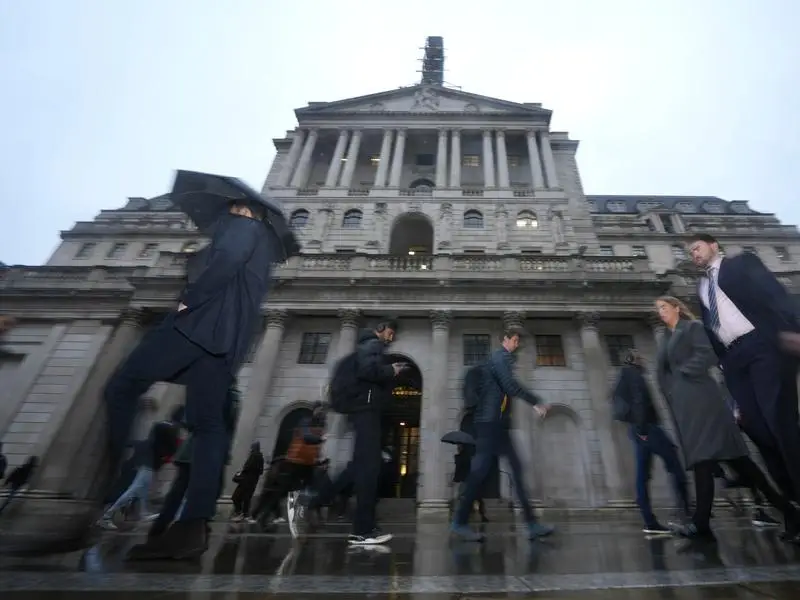
The Bank of England has raised its main interest rate to four per cent, its first increase in more than three years.
The Monetary Policy Committee (MPC) announced the decision on 5 November following its latest assessment of the UK economy and the growing pressure from rising energy prices. The increase takes the Bank Rate from 3.75 per cent to 4 per cent, representing a rise of 0.25 percentage points. The decision marks a significant change in monetary policy after the central bank had maintained its previous rate in September. Policymakers said the move was necessary to prevent higher energy costs from creating more widespread inflation across the economy.
The committee voted by eight to one in favour of increasing the rate to 4 per cent. One member, Catherine Mann, supported a larger increase of 0.5 percentage points, which would have taken the Bank Rate to 4.25 per cent. The outcome demonstrates that policymakers broadly agreed that action was necessary to address inflationary pressures, although there were differences over how strongly the central bank should respond. The decision followed several weeks of rising energy costs and concerns that higher prices could become embedded in the wider economy.
The latest increase is the first upward movement in UK interest rates since August 2023. It comes after a prolonged period during which the central bank had adjusted borrowing costs in response to changing inflation and economic conditions. The previous rate of 3.75 per cent had been maintained at the September meeting, when policymakers were assessing the potential effects of the conflict in the Middle East. The latest decision indicates that the committee believes the inflation risks have become significant enough to justify tighter monetary policy.
Inflation remains a central concern for the Bank of England. Official figures showed that the Consumer Prices Index (CPI) inflation rate reached 3.5 per cent in September, considerably above the central bank's target of 2 per cent. The figure had increased from 2.6 per cent in June, reflecting the impact of higher household energy bills and motor fuel prices. The Bank said that energy costs accounted for a substantial proportion of the recent increase, creating additional pressure on households and businesses across the country.
The continuing conflict in the Middle East has played a major role in the changing economic outlook. Disruption to energy transportation and supply routes has pushed global oil and gas prices higher, increasing the cost of fuel and household utilities. The Bank identified the conflict and associated supply difficulties as important factors behind the latest inflationary pressure. Higher energy prices have also increased operating costs for businesses, creating the possibility that companies could pass some of those additional expenses on to customers through higher prices for goods and services.
The central bank now expects UK inflation to rise further, potentially reaching around 5 per cent by the middle of 2027. This represents a substantial change from its earlier outlook, which had anticipated a lower inflation peak. The revised forecast reflects the continuing impact of expensive energy supplies and the possibility that higher costs will spread throughout the economy. The Bank expects inflation to begin easing after reaching its projected peak, although the speed of that decline will depend on energy prices, economic activity and how businesses and workers respond to changing costs.
Governor Andrew Bailey said there was now sufficient inflationary pressure in the economic outlook to justify increasing the Bank Rate. He explained that policymakers needed to act before higher energy costs created more persistent increases in prices across the economy. However, he also cautioned against interpreting the decision as the beginning of an automatic series of further increases. The committee will continue examining economic information at each meeting before deciding whether additional action is required to bring inflation sustainably back towards its 2 per cent target.
The increase is likely to have implications for homeowners with variable-rate mortgages and people approaching the end of fixed-rate mortgage agreements. When the Bank Rate rises, lenders may adjust the interest rates charged on certain borrowing products, potentially increasing monthly repayments for affected customers. However, the impact will depend on individual mortgage arrangements and how financial institutions respond to the change. People with fixed-rate agreements will generally continue paying their existing contractual rate until the relevant deal expires, rather than automatically experiencing an immediate increase in repayments.
Businesses could also face additional financial pressure as borrowing becomes more expensive. Companies relying on loans, credit facilities or external investment may need to reassess their financing costs following the latest decision. Higher interest rates can influence business expansion, recruitment and investment decisions, particularly for smaller organisations with limited financial resources. At the same time, the Bank's approach is intended to prevent inflation from remaining elevated for longer, which could otherwise create further uncertainty for businesses planning their budgets and managing operating expenses.
The decision also comes amid concerns about the impact of inflation on household finances. Higher prices for fuel, electricity, gas and everyday goods have already affected the purchasing power of consumers. If inflation continues increasing, families could face additional pressure when managing housing costs, transport expenses and essential household spending. The Bank's decision aims to limit further price increases over time, although higher borrowing costs may create separate financial challenges for households with mortgages, loans and other forms of interest-bearing debt.
The Bank's latest economic assessment also highlighted that the UK economy has been more resilient than previously anticipated. Recent economic activity has generally been stronger than expected, while there have been signs of some stabilisation in the labour market. However, policymakers warned that higher energy prices could eventually affect wages, business pricing decisions and consumer spending. The committee is particularly concerned about second-round inflationary effects, where businesses increase prices and workers seek higher wages in response to rising living costs, potentially making inflation more difficult to control.
Despite the increase, the Bank has not committed to a fixed path for future interest rates. Policymakers will continue monitoring energy prices, inflation expectations, wage growth and the strength of consumer demand before making further decisions. The central bank said the outlook remains uncertain because the duration and intensity of the Middle East conflict could significantly influence future economic conditions. If energy prices remain high and inflationary pressures spread, additional action may be considered. However, weaker economic demand or an easing of energy costs could change the committee's assessment.
The Monetary Policy Committee is scheduled to hold its next interest rate meeting on 17 December 2026. Until then, households, businesses and financial markets will be watching developments in energy prices and the latest inflation figures for indications of what may happen next. The November decision represents an important shift in the Bank's approach to controlling inflation, with the central bank balancing the need to stabilise prices against the risk of putting additional pressure on an economy already facing higher living and operating costs.
For further local news, community updates and story tips, contact news@lakelandpost.co.uk or 0333 090 2080.