
Seven travel trends that will define 2026
Data from major hotel groups, travel companies and trend analysts indicates that 2026 will bring a strong shift toward quiet escapes, AI-assisted itineraries, highly personalised retreats and a renewed focus on slower, more intentional travel.
Analysts and travel platforms have spent recent months reviewing patterns in booking habits, consumer behaviour and cultural shifts to forecast the direction of the global travel industry. Each year brings new buzzwords, from the earlier rise of “coolcations” to the more recent “flashpacking,” and these terms often mirror how people are living or how they aspire to live.
Here is a look at the most prominent travel trends predicted for 2026.
Quiet over everything
The standout trend of the coming year is the rise of “quietcations”, also referred to as hushpitality. These trips focus on calm, comfort and the chance to escape the stress of modern life. As constant digital engagement and a steady stream of global news updates take a toll, many travellers are seeking silence and disconnection.
Hector Hughes, co-founder of Unplugged, a collection of digital detox cabins in the United Kingdom, has observed a significant increase in demand. When Unplugged launched in 2020, he says, digital detoxing was uncommon. Today, more than half of their guests cite burnout and screen fatigue as their primary reasons for booking.
The trend is emerging worldwide. Visit Skane in Sweden has introduced a Map of Quietude, ranking tranquil spots by decibel level. In Oregon, Skycave Retreats offers multi-day stays in cabins designed for complete darkness and silence.
2.Gen AI over admin
Artificial intelligence is expected to become even more mainstream in travel planning and execution in 2026. Research from Amadeus shows that increasing numbers of travellers use generative AI tools to plan and book trips. Companies such as Expedia and Booking.com now integrate AI assistants that can help create tailored itineraries, suggest destinations and handle booking logistics.
AI tools also support real-time translation and digital check-ins, reducing many of the administrative tasks associated with travel. However, sustainability specialists warn that algorithm-based recommendations can unintentionally concentrate tourists in the same popular areas, worsening overtourism. AI is also linked to a rise in sophisticated travel scams, underscoring the need for careful use.
Cultural trends expert Jasmine Bina notes that AI is changing how people express their desires around travel, even if the motivations remain the same. She explains that instead of simply searching for a resort, travellers may ask AI to identify what kind of burnout they are experiencing and what destinations or rituals would best help them recover.
3.Trust over choice
A growing number of travellers are choosing experiences that remove decision-making entirely, either for relaxation or sustainability. In the Faroe Islands, a new self-navigating car system limits choices to reduce environmental impact. Meanwhile, in Mendoza, Argentina, The Winemaker’s House and Spa Suites offers a mystery travel experience that eliminates planning stress by surprising guests with curated activities.
Mystery cruises, where passengers do not know their routes in advance, are also rising in popularity. According to PR firm Lemongrass, these options reflect increasing decision fatigue and the mental load of constant micro-decisions in daily life.
4.Roads over runways
Hilton’s 2026 Trends Report suggests that road trips are making a strong comeback. The hashtag “RoadTrip” has accumulated more than five million tags globally as travellers rediscover the appeal of flexible, scenic journeys.
While some companies are reimagining road trips as luxury experiences featuring gourmet food and curated stops, many travellers are choosing to drive simply to save money. Hilton reports that 60 percent of British travellers say they plan to drive rather than fly to cut costs.
Behaviour specialist Milena Nikolova says the appeal of road trips is shaped differently across regions. She believes that North America’s close relationship with car culture helps fuel a distinct enthusiasm for driving holidays.
5.Ultra personalised over one-size-fits-all
Travellers are seeking experiences that reflect their personal circumstances and emotional needs. This has led to the rise of niche retreats that focus on specific life stages, such as divorce, grief recovery, menopause or marriage strengthening. The industry has also expanded into highly specialised interests, including racket sport tours and insect-themed expeditions.
Bina says this reflects how modern life lacks traditional rituals and transitions. Personalised retreats create space for emotional processing, helping people move through intense phases of life with meaning and intention.
6.Off-grid over tried-and-tested
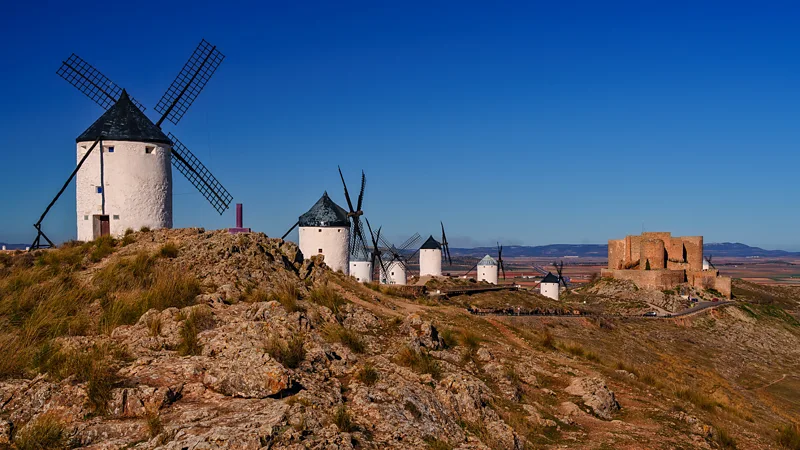
According to Selective Asia founder Nick Pulley, more travellers are steering away from crowded destinations that have been overly polished online. This shift is driving interest in lesser-visited places such as Toledo in Spain, Brandenburg in Germany and parts of Iraq for more adventurous travellers. In the United Kingdom, visitors are choosing areas like Northumberland, Wales and Somerset over heavily touristed regions such as Cornwall or the Cotswolds.
Hilton’s research also highlights a rise in curiosity-driven travel. British travellers, in particular, are prioritising exploration and personal growth, even at the expense of work. They are seeking authentic experiences, whether through homestays in Nepal or exploring lesser-known Italian towns.
Nikolova notes that unique experiences are increasingly treated as social currency. With social media amplifying personal milestones, travellers often pursue under-the-radar adventures that signal deeper, more meaningful travel experience.
7.Culture over hedonism
Literary travel, driven in part by online trends such as BookTok, is expected to continue growing. This connects with “set-jetting”, where travellers visit locations seen in films or television. Hotels in cities known for nightlife are adapting by offering book collections, reading retreats and themed stays.
Several destinations are expected to draw attention in 2026. These include Cornwall, where a new Harry Potter television series is being filmed; the Yorkshire Moors, a setting for an upcoming adaptation of Wuthering Heights; and Greece, which will feature in Christopher Nolan’s film version of The Odyssey.
Bina sees literary travel as a reflection of how people seek escapism during times of uncertainty. She notes that earlier eras of disruption also saw peaks in fantasy, science fiction and myth-inspired storytelling. Immersive travel tied to books and films can serve as a modern form of catharsis, allowing people to explore their emotions alongside fictional worlds.