
National Commission Urges Government To Keep 65-Year-Old Caldbeck Transmitter Running.
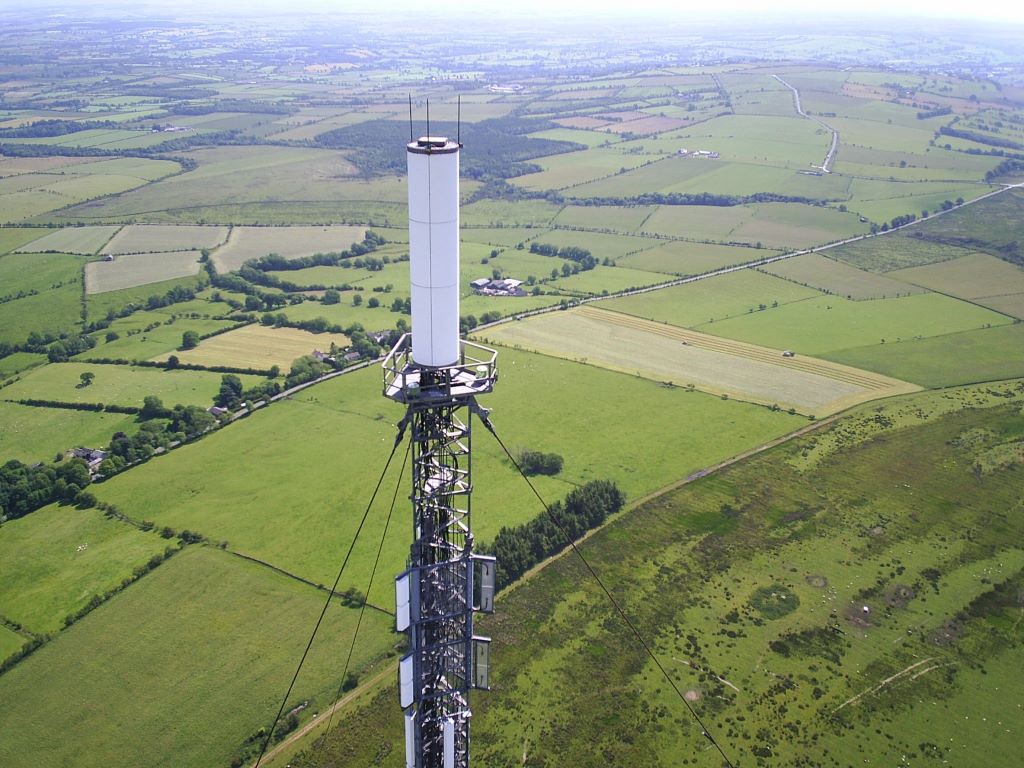
A national commission has urged the Government to keep the Caldbeck transmitter operating until at least 2044, warning that the UK's move away from traditional terrestrial broadcasting could create risks during major emergencies.
The Caldbeck transmitting station, which first went on air on September 1, 1961, is celebrating its 65th anniversary and continues to provide television and radio services to around 280,000 homes across Cumbria and South West Scotland. The National Preparedness Commission has warned that relying increasingly on internet-based communications could leave communities vulnerable during severe weather, power cuts and cyber attacks.
Current legislation guarantees Freeview services until 2034, while the Government is consulting on whether those protections should be extended for another decade. The commission believes terrestrial broadcasting should remain protected until at least 2044.
Lord Toby Harris, chair of the National Preparedness Commission, said the Government needed to consider how the country would communicate if internet-based systems failed. The commission argues that maintaining terrestrial broadcasting would provide an independent route for trusted public information, particularly during emergencies when other communication networks may be unavailable.
The issue is particularly relevant to rural areas such as Cumbria, where reliable communications can be essential during severe weather and other incidents. Caldbeck is a major broadcasting landmark in the region. Standing at 337.5 metres, it is the third-highest structure in the UK and was originally built to overcome the difficulties created by Cumbria's mountainous landscape.
The transmitter's coverage extends across large parts of Cumbria and South West Scotland, meaning its continued operation could have an important role in keeping households informed. Jonathan Burgess, who leads the joint emergency management and resilience team for Cumberland and Westmorland and Furness, said there was no single method of communicating with people during an emergency.
He said emergency planners use all appropriate communication tools depending on the nature of an incident, while welcoming the commission's focus on the importance of communications and resilience. The Department for Science, Innovation and Technology has said no immediate changes are planned to how people receive television and radio services.
A department spokesperson also said television and radio play a vital role in providing important information during emergencies and that any future broadcasting model would need to continue supporting emergency messages and advice.
The Caldbeck site has adapted considerably during its 65 years of operation. It was among the first locations in the UK to convert to high-power digital-only television broadcasting during the digital switchover in 2009. The site also underwent a major engineering project before the switchover, involving the replacement of the entire mast structure.
The transmitter has also been involved in one of the more unusual incidents in its history. In 1977, a US Air Force F-4 Phantom jet struck one of the mast's supporting wires during a low-level training flight. The aircraft suffered damage but the pilot landed safely and the mast remained standing.
For generations of residents, Caldbeck has therefore been more than a landmark on the Cumbrian skyline. It has played a key role in providing television, radio and communications services across the region. The National Preparedness Commission's recommendation now places the future of terrestrial broadcasting at the centre of a wider debate about the UK's communications resilience.
For Cumbria and South West Scotland, keeping Caldbeck operational could ensure that hundreds of thousands of homes continue to have access to a reliable broadcasting network when other forms of communication may be disrupted.
The Government will ultimately decide how long terrestrial broadcasting protections should remain in place, with the future of the 65-year-old Caldbeck transmitter now forming part of that national discussion.
Got a news story or tip to share? Contact our editorial team by emailing news@lakelandpost.co.uk or call us directly on 0333 090 2080.