
iPhone SOS Triggers Overnight Lake District Mountain Rescue Search
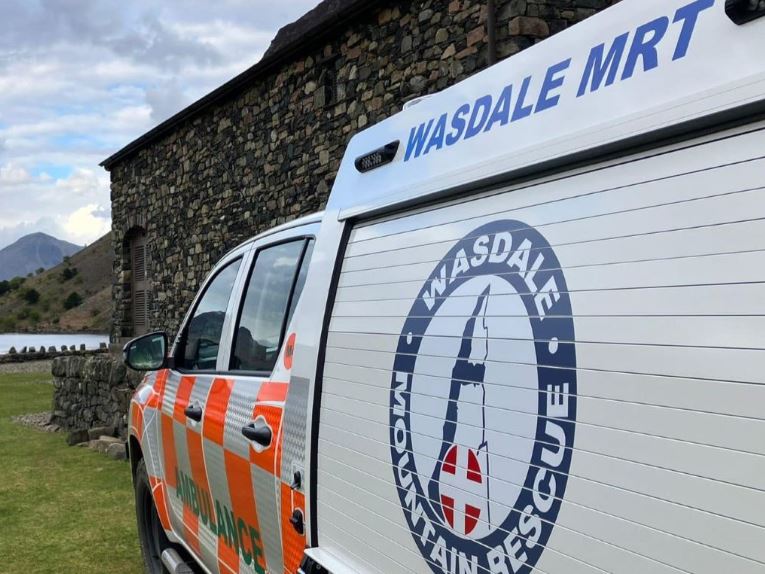
A Lake District mountain rescue team launched an overnight search after an iPhone Emergency SOS message reported people stranded near Cam Spout.
Cumbria Police received the alert shortly after midnight after the Emergency SOS message indicated that a group of people were stranded in the Cam Spout area. The location information provided through the emergency alert allowed rescuers to identify the general area where assistance might have been required. The incident prompted Wasdale Mountain Rescue Team to begin assessing the situation and prepare a response despite the late hour and difficult conditions that had affected the area earlier.
The call was received at around 12.10am, when the Lake District was experiencing the aftermath of severe weather. Although conditions had improved by the time the rescue operation began, the area had previously been affected by gale force winds and torrential rainfall. Streams and rivers were running particularly high, creating additional hazards for anyone who had been travelling through the fells during the preceding hours.
The mountain rescue team leader attempted to establish contact with the group reported to be in difficulty. However, efforts to communicate directly with the people who had triggered the alert were unsuccessful. Despite the lack of direct contact, the emergency message had provided a location, giving the rescue team information that could be used to determine where to begin the search.
Three members of Wasdale Mountain Rescue Team were subsequently sent towards the reported location. Their deployment was intended to establish whether anyone was present and whether assistance was required. The rescuers had to consider the conditions on the ground, particularly the high water levels in streams and rivers following the earlier torrential rain, while making their way towards the location indicated by the emergency alert.
The circumstances meant that the reported group could potentially have been exposed to poor conditions for an extended period. The earlier gale force winds and heavy rainfall would have made travel in the mountains more difficult, while increased water levels could have created additional obstacles around streams and river crossings. These factors contributed to the decision to investigate the emergency alert rather than simply assuming that assistance was no longer required.
When the three rescuers reached the location, however, they found no one there. The team was unable to locate the group that had reportedly been stranded, and there was no immediate indication that anyone remained at the site requiring assistance. The search therefore did not result in a casualty being found or an evacuation being required.
The rescue team continued to assess the circumstances before eventually standing down. The operation concluded at approximately 7.45am, several hours after the initial alert had been received. The decision to remain involved through the early morning reflected the uncertainty created by the original emergency message and the difficulty in establishing direct contact with the people believed to be involved.
The situation was clarified later in the day when the mountain rescue team was able to speak with the caller. Contact with the group confirmed that everyone was safe and well. This allowed the team to establish that there was no ongoing emergency requiring further intervention and brought the incident to a final conclusion.
The use of an iPhone Emergency SOS alert played an important role in bringing the situation to the attention of emergency services. Such alerts can provide location information when a person is unable to make ordinary contact with emergency services, although rescuers may still need to establish whether the alert represents an active emergency. In this case, the location information provided enough information for the mountain rescue team to investigate despite the absence of direct communication.
The incident also illustrates the challenges faced by rescue teams when an emergency call provides only limited information. A location can be extremely valuable in a remote mountain environment, but rescuers may still have difficulty determining exactly where people are or what assistance they require. The inability to establish contact with the reported group meant that the three team members had to investigate the location directly.
Weather conditions added another consideration to the operation. The Lake District had experienced gale force winds and torrential rain before the rescue call was received, leaving streams and rivers running high. Even after the weather improved, the effects of the rainfall remained relevant for anyone travelling through the fells, particularly around watercourses and areas where paths can become more difficult to negotiate.
Wasdale Mountain Rescue Team regularly responds to incidents across the western Lake District, including areas around some of the region's most challenging mountain terrain. Its volunteers can be called upon at any time when police or other emergency services receive reports of people in difficulty. The team operates in conditions that can change rapidly, meaning even apparently straightforward incidents can require careful assessment before rescuers are deployed.
The overnight response also required volunteers to travel into the hills during hours of darkness. Mountain rescue operations can become more demanding after nightfall because visibility is reduced and navigation becomes more challenging. The high water levels caused by the earlier rainfall provided another factor that rescuers had to take into account while investigating the reported location.
Although no casualties were found, the team did not know at the outset whether the group was safe. The Emergency SOS message indicated that people were stranded, while the inability to make contact meant their condition could not immediately be confirmed. The eventual conversation with the caller later in the day provided the reassurance needed to establish that everyone involved had returned to safety.
The incident ended without a rescue or medical evacuation, but it demonstrates why emergency alerts from people in remote areas are treated seriously. Mountain rescue teams cannot assume that an alert is accidental or that those involved will be able to contact emergency services again. Investigating the location and establishing the welfare of the people involved remains important whenever an emergency message indicates that someone may be in danger.
Wasdale Mountain Rescue Team was eventually stood down at 7.45am after the search had failed to locate anyone at the reported position. Later contact confirmed that the group was safe and well, allowing the incident to be closed without further action. The response nevertheless required several hours of volunteer time and a deployment into challenging mountain terrain during the early hours.
Got a news story or tip to share? Contact our editorial team by emailing news@lakelandpost.co.uk or call us directly on 0333 090 2080.