
FIFA World Cup Twenty Twenty Six Explained With Expansion Format And Host Nations
The FIFA World Cup Twenty Twenty Six FIFA World Cup 2026 is set to become the most expanded and globally inclusive tournament in the history of international football.
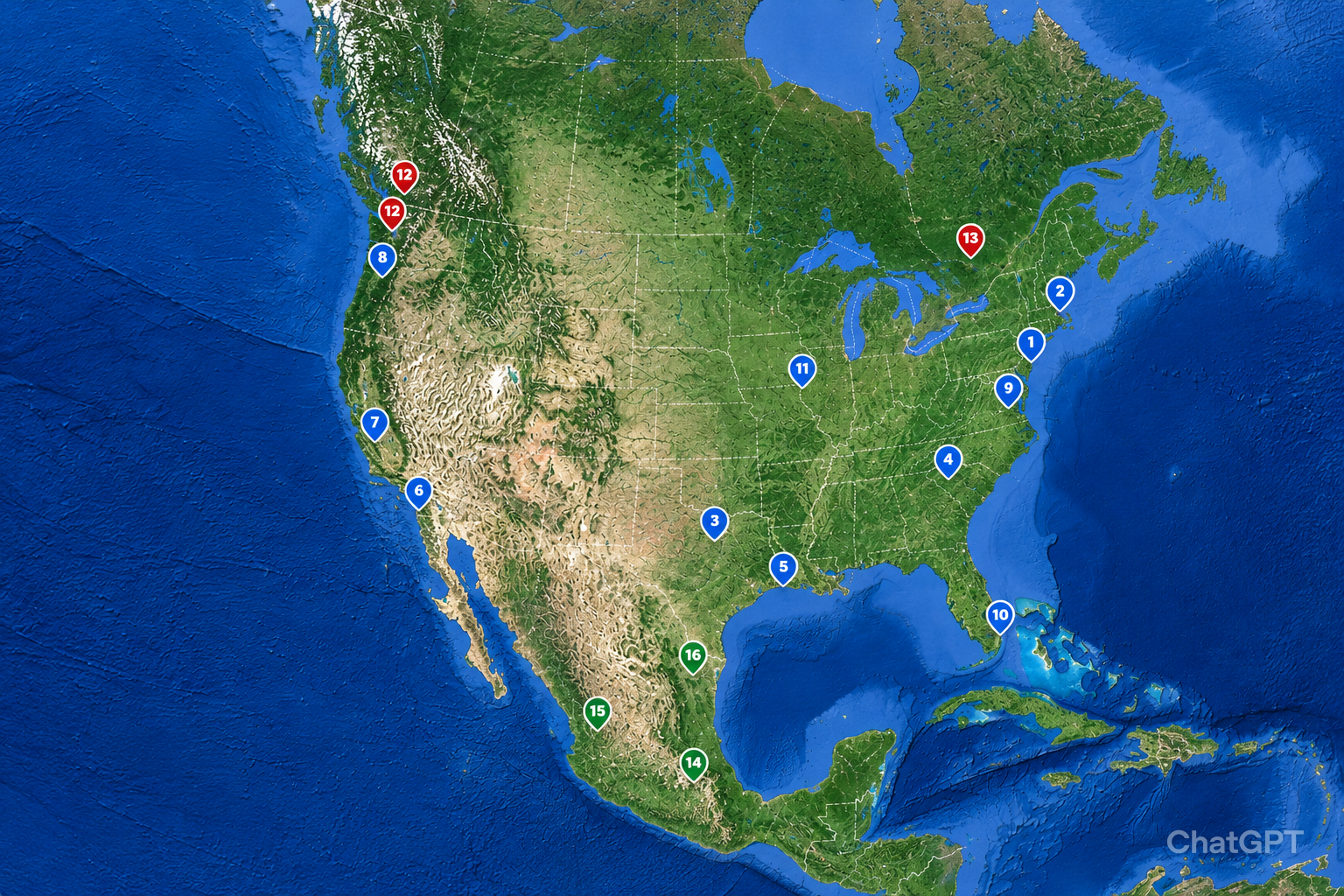
According to detailed explanations presented through maps and charts, the upcoming tournament will introduce a new structure, more participating nations, and a wider geographic spread across North America. For the first time, the tournament will be jointly hosted by three countries, the United States, Canada, and Mexico. This multi nation hosting arrangement is expected to bring football action to a broader audience while showcasing some of the most iconic stadiums across the continent. Organisers believe this format will significantly increase global engagement and fan participation.
One of the most important changes is the expansion of the tournament to forty eight teams, increasing opportunities for more countries to compete at the highest level of international football. This change marks a major shift from previous editions and reflects FIFA’s long term strategy to grow the game worldwide.
The competition format will also be revised, introducing a larger group stage structure with more matches. A total of one hundred and four matches are expected to be played throughout the tournament, making it the most extensive World Cup ever organised. This expanded schedule is designed to balance competitiveness while giving more teams a chance to progress into the knockout rounds.
The tournament will feature matches spread across multiple host cities, allowing different regions to experience live World Cup action. This approach is intended to boost tourism, local economies, and global visibility for each host location. Fans from around the world will have more travel options and match experiences than in previous editions.
Football analysts suggest that the expanded format could change the dynamics of the competition, as more teams will have the opportunity to qualify and compete on the world stage. However, it also raises discussions about player workload and scheduling intensity due to the increased number of fixtures.
Organisers have highlighted that the new structure is designed to make the tournament more inclusive, competitive, and commercially impactful, while still maintaining the prestige of the World Cup. The use of visual maps and statistical charts has helped illustrate how the tournament will function across different regions.
As anticipation builds, the FIFA World Cup Twenty Twenty Six is expected to attract record global viewership, bringing together fans from every continent for the biggest football event ever staged.
Got a news story or tip to share? Contact our editorial team by emailing news@lakelandpost.co.uk or call us directly on 0333 090 2080.