
Andy Burnham Becomes UK Prime Minister and Promises Biggest Changes in 40 Years
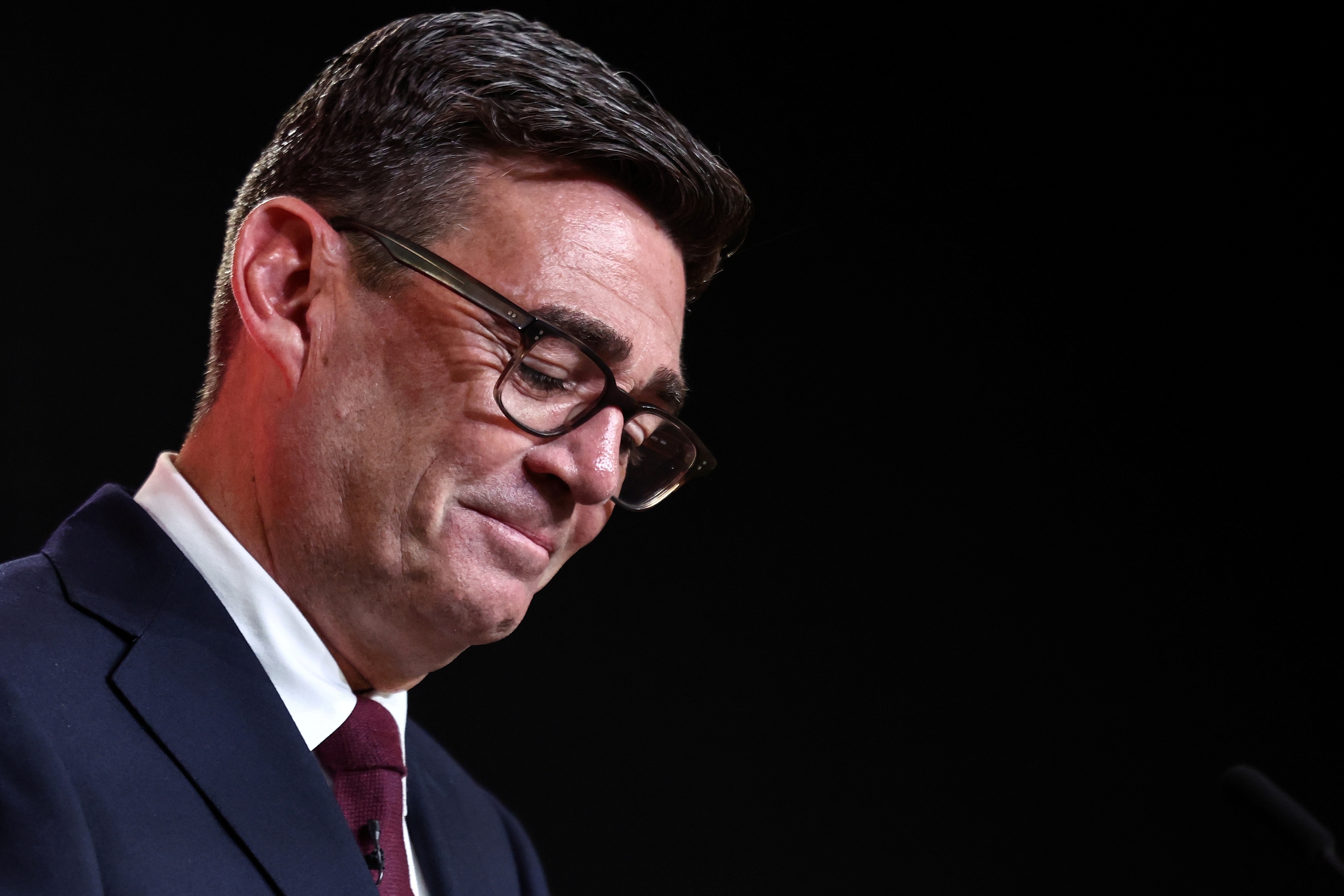
Andy Burnham has officially taken office as the UK's new Prime Minister following the resignation of Keir Starmer, immediately setting out an ambitious programme of political and economic change. In his first major address outside 10 Downing Street on 20 July 2026, Burnham promised what he described as the biggest changes to Britain in four decades, saying the country needed a new direction after years of political and economic uncertainty.
The new Prime Minister said his government would seek to create a "circuit breaker" moment for Britain by changing the way the country is governed and giving greater powers to local communities. Burnham argued that too many important decisions have been concentrated in Westminster and promised to transfer more responsibility and resources to regions and local authorities, allowing communities to have a greater say over the services and investment that affect their daily lives.
A central part of the government's agenda will be a major programme of economic reform and reindustrialisation. Burnham said public procurement should be used more effectively to support British companies, strengthen domestic supply chains and create new opportunities for workers across the country. He also pledged to address the cost of living and make essential services more affordable, while working towards a long term economic strategy designed to provide greater stability for households and businesses.
The Prime Minister announced that his government would publish a new 10 year plan later this year, setting out its long term vision for Britain's economy, public services and communities. The plan is expected to outline major reforms across several areas, including education, employment, industry and local government, as the new administration seeks to move away from short term policymaking and establish a broader national strategy for the coming decade.
A new ministerial team has also been approved following Burnham's arrival in Downing Street. John Healey has been appointed Chancellor of the Exchequer, while Jonathan Reynolds becomes Secretary of State for Business, Innovation, Science and Trade. The appointments are expected to play a key role in delivering the government's economic programme and its plans to strengthen British industry and encourage investment.
Shabana Mahmood will remain as Home Secretary, while Pat McFadden continues as Secretary of State for Work and Pensions. Heidi Alexander will also remain as Transport Secretary, providing continuity in key areas as the new government begins its work. Burnham's administration is expected to face significant pressure to demonstrate that its promises can be translated into practical improvements for people across the UK.
The new Prime Minister also placed education and employment at the centre of his plans, promising reforms aimed at helping more young people gain the skills and opportunities needed to enter the workforce. His government is expected to focus on reducing economic insecurity, improving public services and tackling regional inequalities, while also working to rebuild confidence in politics and government.
Burnham said Britain must regain political and economic stability and create a stronger foundation for future growth. His government now faces the challenge of turning its ambitious promises into policies that can deliver measurable results, with the forthcoming 10 year plan expected to provide the clearest indication yet of the scale and direction of the changes planned by the new administration.
Got a news story or tip to share? Contact our editorial team by emailing news@lakelandpost.co.uk or call us directly on 0333 090 2080.