
Pig Farm And Peacock Plans Off Ashes Lane Win Approval Despite Local Concerns.
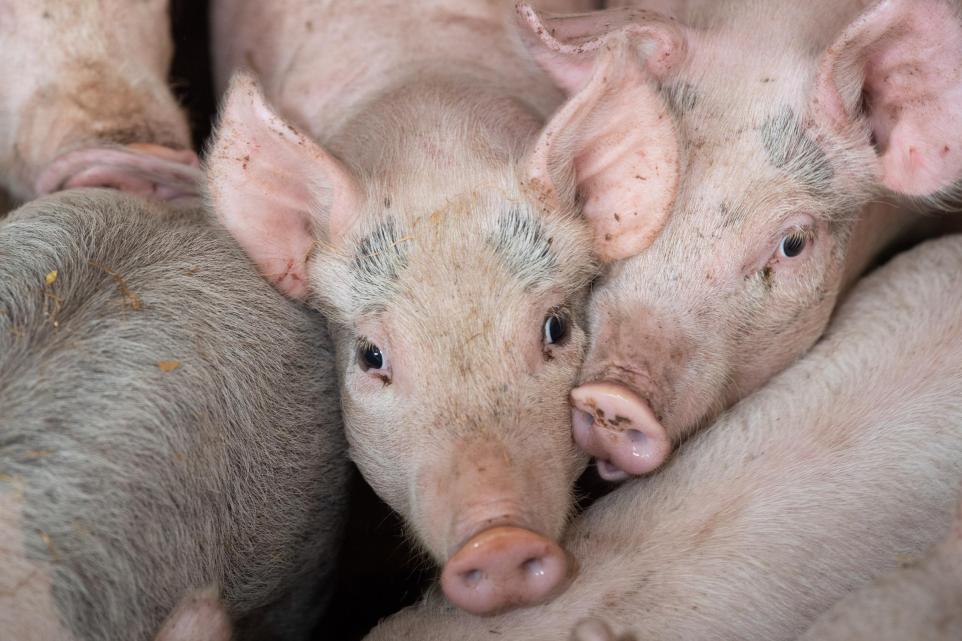
Plans connected with a pig farm and peacock facilities off Ashes Lane have been given approval despite concerns raised over the proposal.
The decision follows consideration of the plans through the local planning process, with concerns from people in the area forming part of the discussion before permission was granted. The development has attracted attention because of its agricultural use and the presence of animals at the site. The proposal involves changes associated with a pig farming operation, alongside facilities connected with peacocks.
Agricultural developments can often generate concerns among nearby residents, particularly where they involve livestock, changes to land use, traffic movements or potential effects on surrounding properties. In this case, objections and concerns were considered as part of the planning process before the application was determined.
Despite those concerns, the proposal has now received the green light, meaning the applicant can proceed subject to any conditions attached to the approval. Planning decisions are made after considering a range of factors, including the suitability of a proposed development, its relationship with neighbouring properties and its potential impact on the surrounding area.
Issues such as access, traffic, noise, odour, drainage and the appearance of agricultural structures can all be relevant when applications involving livestock and rural land are considered. The approval highlights the balance planning authorities have to make between supporting agricultural activity and considering the concerns of people living nearby.
Farming remains an important part of the rural economy across Cumbria, with livestock and agricultural businesses forming a significant part of the countryside. At the same time, new or expanded agricultural operations can sometimes create challenges for nearby communities. Residents may be concerned about changes to the character of an area or the potential impact of additional activity.
The decision on the Ashes Lane proposal means the development can now progress, although any planning conditions attached to the permission will need to be followed. Such conditions are commonly used to control aspects of an approved development and ensure that work and future operations are carried out in accordance with the permission granted.
The proposal's connection with peacocks has also contributed to public interest in the application, making it a distinctive planning case compared with more conventional agricultural developments. For local residents, the next stage will be to see how the approved plans are implemented and whether the measures included as part of the planning decision address the concerns raised during the application process.
The case also demonstrates the wider challenges faced when agricultural businesses seek to develop or adapt their operations. As rural businesses respond to changing demands, planning applications can become necessary to allow new facilities, changes to existing operations or additional uses of agricultural land.
Local planning authorities must then consider the proposals against relevant planning policies while taking account of representations from members of the public and other interested parties.The approval of the Ashes Lane plans means the applicant has overcome that stage of the process. For the surrounding community, attention is now likely to focus on the practical impact of the development once the approved work and activities begin.
The decision represents a new development for the Ashes Lane area, despite the concerns that were raised during consideration of the application. As the project progresses, residents will be able to see how the plans affect the site and the surrounding countryside.
Got a news story or tip to share? Contact our editorial team by emailing news@lakelandpost.co.uk or call us directly on 0333 090 2080.