
Cumbria issued a severe weather alert by Met Office
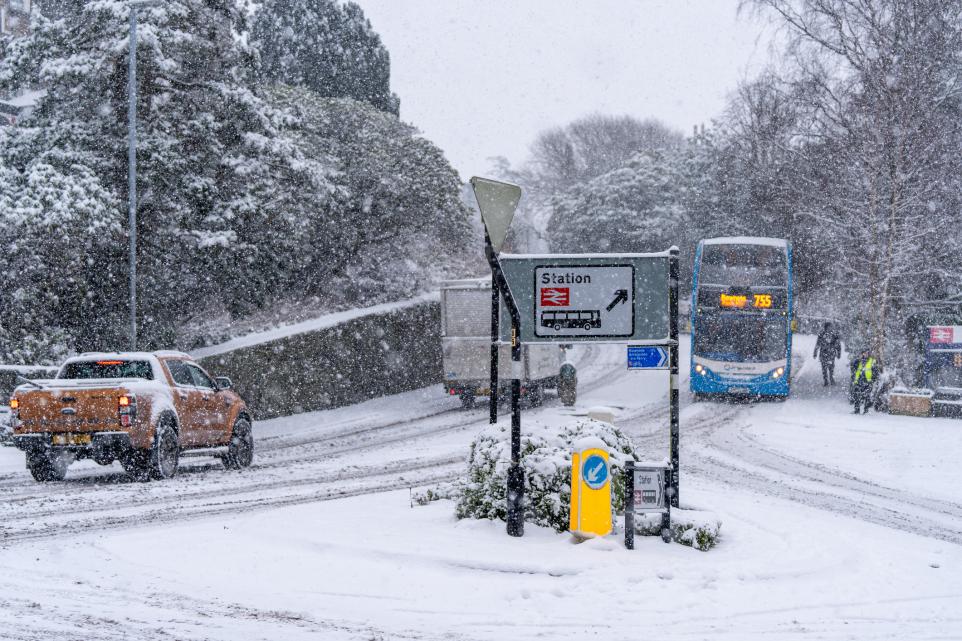
Cumbria has been issued with a severe weather alert by the Met Office as freezing temperatures are set to continue throughout the week.
Ice is expected to develop widely overnight on Wednesday into Thursday morning, with partially thawed snow refreezing readily in many areas.
Snow is forecast to initially fall to low levels away from coastal areas before becoming confined to ground above 300 metres. The Met Office said 1–2cm of fresh snow could accumulate in some places, with 2–5cm possible on higher ground above 200–300 metres, particularly across hills in northern England and parts of western Scotland.
The Met Office said the UK’s cold spell will continue as a deep area of low pressure brings further snow, strong winds and heavy rain. Amber warnings have been issued for parts of the country, alongside more widespread Yellow warnings.
“The strongest winds associated with this system are expected to affect the Channel Islands and northern France, hence it has been named Storm Goretti by Météo-France,” a spokesperson said.
Met Office Chief Forecaster Neil Armstrong said Storm Goretti is expected to bring multiple weather hazards, with snow likely to cause the most significant disruption.
“Storm Goretti will be a multi-hazard event, with the most significant impacts from snow in parts of Wales and the Midlands, though rain and strong winds also have the potential to bring disruption to many,” he said.
“Snow is expected on the northern edge of the system, most likely over Wales and the Midlands, where accumulations of 5–10cm are likely widely, with 15–25cm in some places, especially over hills, and perhaps up to 30cm very locally.
“An Amber warning has been issued where the greatest risk of disruption is expected on Thursday night into Friday morning, though updates may be required as confidence increases in the exact track of Storm Goretti.”
RAC breakdown spokesperson Alice Simpson urged drivers to take extra care in areas worst affected by the storm.
“Drivers need to consider whether it is safe to get behind the wheel,” she said. “As temperatures plummet, breakdowns rise, particularly as older and less reliable batteries are more likely to fail in cold conditions.
“The key is allowing more time at every stage of the journey, whether that’s clearing snow and ice from vehicles before setting off or reducing speed to suit the conditions.”