
British Gas shares 10 tips for Cumbria homeowners as warnings issued
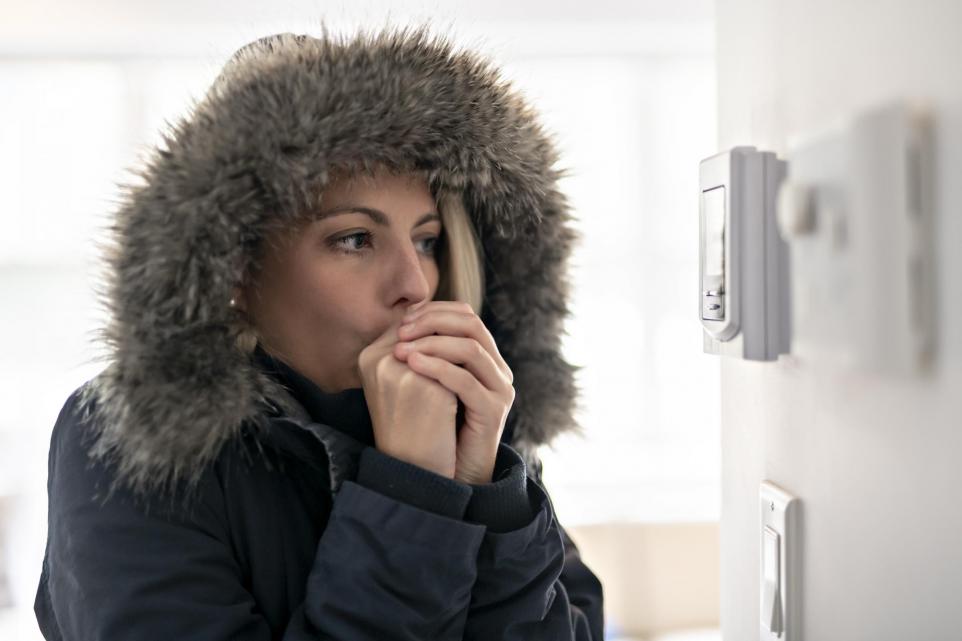
Temperatures across the UK are set to plunge below freezing this week, bringing a sharp and wintry start to 2026 after a record-breaking mild December.
The Met Office has issued ongoing warnings for snow and ice in several parts of the country, raising concerns for homeowners as another deep freeze takes hold. With icy conditions expected to linger, households are being urged to prepare for colder days and rising energy use.
To help people stay warm while keeping energy bills under control, British Gas engineer Joanna Flowers has shared a range of practical and cost-effective tips to protect homes during the cold snap.
One of the simplest steps homeowners can take is bleeding their radiators. Over time, air can become trapped inside radiators, preventing them from heating up evenly. If the top of a radiator feels cooler than the bottom, the heating system should be switched off and allowed to cool. Using a radiator key, the valve at the top can be gently opened to release the trapped air before closing it again. This can help rooms warm up faster and more efficiently.
Reducing draughts is another effective way to retain heat. Poorly sealed windows and doors can allow cold air to seep in, driving up heating costs. Simple fixes such as self-adhesive foam strips around window frames and draught excluders along door gaps can make a noticeable difference. Smaller openings, including keyholes and letterboxes, are often overlooked but can be sealed with inexpensive covers and brushes. Together, these measures could save households up to £60 a year on energy bills.
Making better use of existing heat within the home is also key. Furniture placement plays a bigger role than many realise, as items like sofas positioned directly in front of radiators can block warm air from circulating. Using thicker curtains helps trap heat at windows and doors, while rugs on bare floors can reduce heat loss through the ground. On brighter winter days, opening curtains to let in natural sunlight can provide an extra boost of warmth.
Zonal heating can offer further savings by ensuring only occupied rooms are heated. Rooms that are rarely used, such as conservatories or spare offices, should have radiators turned off and doors kept closed to prevent cold air spreading through the house. When those spaces are needed again, heating can be switched back on in advance to bring the temperature up gradually.
Frozen pipes are another major risk during periods of prolonged cold. When water freezes, pipes can crack or burst, leading to costly repairs. Wrapping exposed pipes with inexpensive insulation from DIY stores helps retain heat and reduces the chance of freezing, particularly in lofts, garages and outdoor areas.
Finding the right thermostat setting can also make a big difference. While it may be tempting to turn the heating up high during cold spells, keeping the thermostat between 18°C and 21°C is generally comfortable and cost-effective. Even lowering the temperature by just one degree can cut heating bills by around 10 per cent, saving the average household approximately £75 a year.
Adjusting heating schedules to match daily routines can further reduce energy use. Setting the heating to come on around 15 minutes before getting up and switching it off half an hour before bedtime helps maintain comfort without wasting energy. Lowering temperatures overnight or in unused rooms can also contribute to better sleep and lower bills.
Technology can play a role too. Smart thermostats allow homeowners to control heating remotely, monitor usage and track spending more closely. With winter being the peak season for energy consumption, these tools can help households stay in control of both comfort and costs.
Regular boiler maintenance is another important step that is often overlooked. Servicing a boiler before it breaks down can prevent unexpected failures during the coldest months and help ensure the system runs efficiently throughout winter.
Finally, households are encouraged to check whether they qualify for financial support with their energy bills. British Gas customers, for example, may be eligible for up to £2,000 in assistance through the company’s Energy Support Fund. Many other energy suppliers also offer hardship or support schemes to help customers cope with rising costs during the winter months.
With freezing temperatures on the way, taking a few preventative steps now could help households stay warm, safe and financially secure as winter tightens its grip.