
Volunteers Sought To Plant 1,500 Wildflowers At Cumbrian Meadow
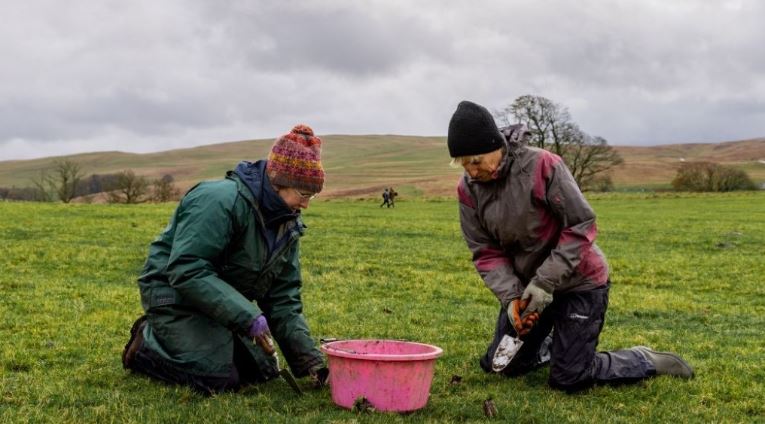
Volunteers are being invited to help restore an upland hay meadow in Cumbria by planting hundreds of wildflowers next month.
The planting event will take place at Mazonwath, land managed by Friends of the Lake District at Little Asby, where around 1,500 wildflower plants will be introduced. The activity is intended to increase the variety of plants growing across the meadow while adding colour to the landscape. Organisers are encouraging members of the public to take part, with no specialist experience required. The event will provide an opportunity for people to contribute directly to local conservation work while spending time outdoors in the Cumbrian countryside.
The volunteer planting day is scheduled for October 13 and forms part of wider work to protect and restore upland hay meadows. These habitats support a broad range of wildlife and provide important sources of food and shelter for pollinators and birds. Their vegetation and root systems can also contribute to healthier soils and help retain moisture. Conservation organisations involved in the project say the restoration of these grasslands is important because traditional upland meadows have declined significantly over recent decades.
Around 97 per cent of upland hay meadows are estimated to have been lost as farming practices have changed. The decline has reduced the availability of habitats containing the diverse range of grasses and wildflowers traditionally associated with these landscapes. Restoring suitable areas can therefore provide an opportunity to reintroduce plant species and strengthen the ecological value of surviving meadows. The work at Mazonwath is part of efforts to address that wider decline through practical conservation activity.
The event is being delivered through the Cumbria Seed Bank Project, a two year initiative focused on reversing the decline of rare grassland flowers. The project is funded by the Yorkshire Dales Millennium Trust and delivered by Cumbria Wildlife Trust. As part of its work, seeds are collected, stored and propagated at Gosling Sike nursery in Carlisle before being used in suitable locations. The Mazonwath planting forms part of the project's second year and will help establish additional flowering plants within the meadow.
A range of native wildflowers will be included in the planting programme. Species being introduced include great burnet, bird's-foot trefoil, black knapweed, cranesbills, oxeye daisy and several types of vetch. These plants form part of the wider diversity associated with traditional grassland and can provide valuable resources for insects and other wildlife. Introducing a mixture of species also supports the longer term aim of creating a more varied and resilient meadow rather than concentrating on a single type of flowering plant.
The conservation work is being carried out jointly by Friends of the Lake District and Cumbria Wildlife Trust. Their involvement brings together land management and grassland conservation expertise, with the planting day providing a practical way for volunteers to contribute. The organisations are working towards improving the condition and diversity of the meadow while demonstrating how targeted restoration can benefit both wildlife and people. The partnership also forms part of broader efforts to protect Cumbria's remaining areas of valuable grassland.
Catherine Mercer, grassland conservation officer at Cumbria Wildlife Trust, said the project provides an opportunity for the organisations to work together to support nature in Cumbria. She said planting at Mazonwath would help create a more diverse and resilient grassland that could be enjoyed by both people and wildlife. The comments highlight the project's focus on restoring habitat quality while also maintaining the countryside as a place where residents and visitors can experience nature.
Volunteers are not expected to have previous gardening or conservation experience before attending the event. Organisers have said that enthusiasm and a trowel are the main requirements for those wanting to take part. This approach is intended to make the activity accessible to people who may not previously have been involved in practical habitat restoration. Participants will be able to contribute to the planting work while learning more about the importance of upland meadow habitats and the plants that support them.
Jan Darrall, land manager for Friends of the Lake District, said the organisation was looking forward to welcoming volunteers to Mazonwath. She highlighted the opportunity to spend time outdoors while helping introduce additional colour and plant diversity to the uplands. The organisation regularly runs volunteer activities on its land across Cumbria, providing opportunities for people to become involved in practical environmental work at different locations throughout the year.
The planting work is expected to contribute to the appearance and ecological value of the meadow during the following growing season. Establishing wildflowers in suitable grassland can provide additional flowering resources for insects and help strengthen the overall variety of vegetation. The work also forms part of a longer conservation process rather than being a one day project, with seed collection, propagation and planting all contributing to the wider effort to restore declining grassland species.
The Cumbria Seed Bank Project is intended to address the loss of rare grassland flowers by maintaining a supply of locally appropriate seeds for future restoration work. Collecting and growing plants before they are introduced to suitable sites allows conservation organisations to support the recovery of species that have become less common. The project therefore links work at nurseries such as Gosling Sike with practical planting activity at sites including Mazonwath.
People interested in taking part can find the available dates and booking arrangements through the volunteer section of Friends of the Lake District's website. The organisation runs a programme of volunteer activities across its Cumbrian land, meaning the wildflower planting day is part of a wider schedule of opportunities. Anyone considering attending is encouraged to check the event information and booking requirements before travelling to the site.
The Mazonwath planting day will give local volunteers an opportunity to play a practical role in restoring a distinctive part of Cumbria's upland landscape. By helping establish a wider range of flowering plants, participants will contribute to a project designed to support wildlife, improve grassland diversity and protect species associated with traditional hay meadows. The initiative also demonstrates how community involvement can form part of longer term conservation work across the county.
Got a news story or tip to share? Contact our editorial team by emailing news@lakelandpost.co.uk or call us directly on 0333 090 2080.