
Volunteers Remove 2.9 Million Invasive Plants From West Cumbrian Rivers
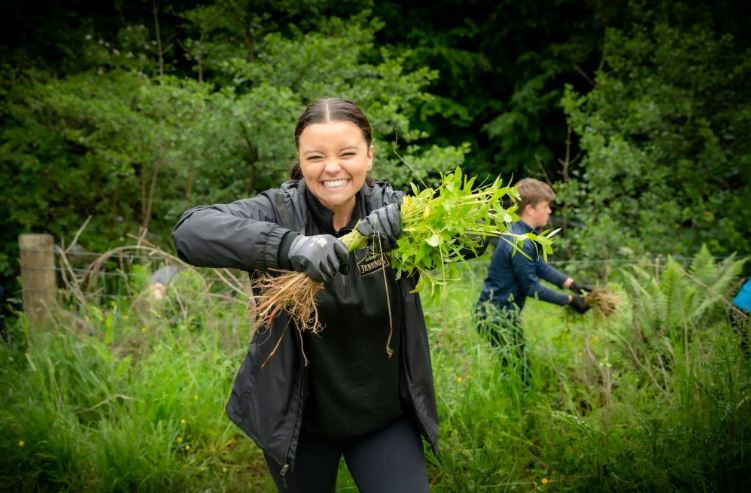
Volunteers have removed 2.9 million invasive plants from West Cumbrian rivers in a major community effort to protect local waterways and wildlife.
The campaign was coordinated by West Cumbria Rivers Trust, with volunteers spending more than 2,300 hours tackling Himalayan balsam across the region. The work was aimed at preventing the invasive plant from spreading further along river systems and affecting native vegetation.
Himalayan balsam can spread rapidly because each plant produces large quantities of seeds that can be carried by waterways. The summer programme is estimated to have prevented around 750 million seeds from entering West Cumbria's rivers, reducing the potential for further growth in areas that have already been cleared.
The community programme was supported by the National Lottery Community Fund and involved an average of five volunteer sessions each week. This allowed groups to return repeatedly to affected areas rather than relying on a single clearance operation.
Volunteers worked across several parts of the region, including areas around the River Derwent. Teams also targeted other waterways and riverbanks where Himalayan balsam had become established and posed a threat to native plant species.
Cockermouth also became an important part of the campaign through a partnership with Jennings Brewery. The brewery funded and co-hosted volunteer sessions along the River Cocker, helping expand the number of people involved in removing the invasive plants.
The campaign culminated in the trust's largest single volunteer event of the summer. A total of 43 people took part in the session, demonstrating the level of community involvement that has developed around efforts to protect West Cumbria's rivers.
Volunteers came from established community groups as well as people taking part in this type of environmental conservation work for the first time. The trust said the involvement of both experienced groups and newcomers had been important in maintaining the scale of the programme.
One of the groups involved was Melbreak Communities, which carried out regular clearance sessions during the summer. The group returned to the same fields on multiple occasions because new Himalayan balsam plants continued to appear after earlier areas had been cleared.
Repeated visits are an important part of controlling the plant because seeds can remain in the soil for several years. Clearing visible plants during one season therefore does not necessarily prevent them from returning, making continued monitoring and removal necessary.
The Melbreak Communities group estimated that its volunteers cleared around 880,000 plants during the summer. The work was also estimated to have prevented approximately 250 million seeds from spreading into surrounding areas.
The trust has emphasised that consistency is key to reducing the plant's presence over time. Returning to previously cleared locations allows volunteers to remove new growth before it reaches maturity and produces another generation of seeds.
The project is being carried out systematically, with the trust working from the upper sections of river sub-catchments downwards. This approach is intended to reduce the opportunity for seeds to move downstream and establish new populations in other areas.
Izzie Mullin, invasive species project officer at West Cumbria Rivers Trust, praised the commitment shown by volunteers throughout the summer. She said the involvement of established community groups and people who were completely new to the work had provided encouragement for the future of the project.
The trust said Himalayan balsam poses a serious threat to local ecosystems because it can dominate areas where native plants would otherwise grow. Its spread can reduce the space available for native vegetation and affect the wider health and diversity of riverbank environments.
The environmental work also demonstrates the contribution that organised community action can make to local conservation projects. Volunteers have been able to cover substantial areas by working together regularly, helping the trust address a problem that would be difficult to tackle through isolated efforts.
Although millions of plants have now been removed, the project is not considered complete. Seeds remaining in the soil mean that further plants can emerge in future seasons, making repeated clearance necessary if the progress made this summer is to be maintained.
West Cumbria Rivers Trust is therefore encouraging more people to become involved in the ongoing project. Continued participation will allow volunteers to revisit affected locations and tackle new growth before it has the opportunity to reproduce and spread further through the river network.
The summer campaign has provided a significant reduction in the number of Himalayan balsam plants and seeds capable of spreading through West Cumbria's waterways. Organisers now hope the same community commitment can continue as the long term effort to restore healthier riverbanks progresses.
Got a news story or tip to share? Contact our editorial team by emailing news@lakelandpost.co.uk or call us directly on 0333 090 2080.