
UN Warns Funding Crisis Could Leave Millions Without Critical Refugee Aid
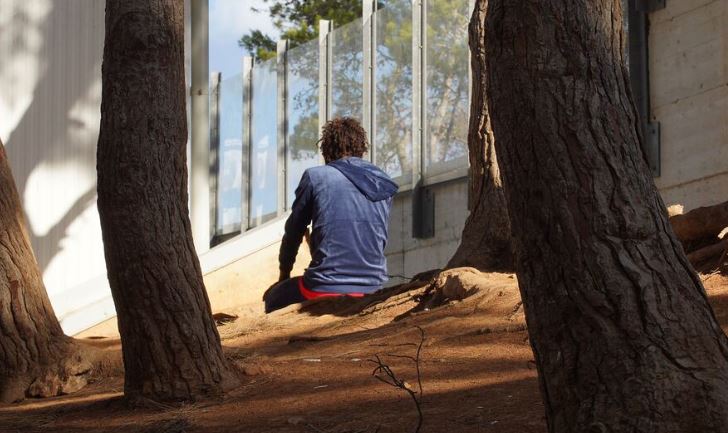
Millions of displaced people face losing vital humanitarian support as funding shortages place essential UN refugee services under growing pressure.
The United Nations refugee agency has warned that 8.3 million refugees, forcibly displaced people and stateless people are at risk of losing critical assistance because of severe funding cuts. The warning highlights the impact of a widening gap between humanitarian needs and the resources available to international organisations supporting vulnerable communities. UNHCR said the situation is already affecting essential services and could become more serious if additional funding is not secured.
The agency has faced a sharp reduction in available resources at a time when displacement continues to affect people across numerous regions. Funding available to UNHCR fell from around $5.18 billion in 2024 to approximately $3.93 billion in 2025. The reduction has left the organisation with fewer resources to respond to emergencies while the number of people requiring assistance remains extremely high.
The funding pressure is particularly serious because UNHCR provides a wide range of services for people who have been forced from their homes. These include emergency assistance, protection, support for displaced families and help for people who do not have a recognised nationality. When funding is reduced, programmes can be scaled back or suspended, leaving vulnerable communities without services that can be difficult to replace through other organisations.
UNHCR said the funding situation had reached a critical point during 2026. By July, the agency had received only around 32 per cent of the funding it required for the year. The shortfall means that humanitarian teams are having to make difficult decisions about which programmes can continue and where limited resources should be directed.
The consequences are already being felt in countries hosting large numbers of displaced people. Afghanistan is among the places where funding shortages are creating additional difficulties, particularly as more than one million people have returned to the country during 2026. Returning families can require assistance with shelter, protection, basic services and reintegration after periods of displacement.
The situation is also affecting refugees in countries including Chad and Ethiopia. People living in these areas can face serious risks when humanitarian programmes are reduced, particularly where national services are already under pressure. UNHCR has warned that some children could lose access to protection while refugees and other displaced communities face greater difficulty obtaining the support they need.
Women and girls affected by displacement are also vulnerable to the effects of funding cuts. Services designed to support survivors of sexual and gender based violence are among the programmes facing pressure as humanitarian organisations struggle with reduced resources. The loss of safe spaces and specialist assistance could leave vulnerable people with fewer options for protection and recovery.
Cash assistance is another area where reductions in funding can have immediate consequences. For displaced families living in difficult economic circumstances, financial support can help them purchase food, secure accommodation and meet other basic needs. When those payments are reduced or stopped, families can be forced to make difficult choices between essential expenses.
The funding crisis is occurring against a wider backdrop of increasing humanitarian needs. Conflicts, insecurity, economic instability and other emergencies continue to force people from their homes in different parts of the world. Humanitarian agencies therefore face the difficult situation of having to respond to more complex emergencies while operating with significantly fewer resources.
UNHCR has already taken steps to reduce costs as funding pressures have intensified. The agency previously reduced staffing levels and closed some offices as part of efforts to operate with a smaller financial base. However, the organisation has warned that further reductions are now reaching services that directly affect refugees, displaced people and stateless communities.
Flexible funding has been highlighted as particularly important during the current crisis. UNHCR said flexible contributions allow resources to be moved towards locations where needs are greatest. This can be especially valuable during sudden emergencies, when an unexpected increase in displacement can quickly create demand for additional shelter, protection and other forms of assistance.
The agency is calling on donors and international partners to provide additional support to prevent further reductions in humanitarian programmes. UNHCR has stressed that the consequences of underfunding extend beyond individual programmes because cuts can affect people's ability to remain safe, access basic services and rebuild their lives after displacement.
The situation also demonstrates the importance of long term support for displaced populations. Humanitarian assistance is often required for extended periods when people cannot safely return home or find permanent solutions elsewhere. Reductions in funding can therefore affect both immediate emergency support and longer term efforts to help communities recover and become more self reliant.
For countries hosting refugees, international funding can provide essential assistance alongside national services. Many host countries are already dealing with economic pressures and limited public resources, making it difficult to absorb additional humanitarian responsibilities without external support. UNHCR's funding shortfall could therefore place further pressure on governments and local communities supporting displaced populations.
The scale of the potential impact is significant because the 8.3 million people identified by UNHCR include several groups facing different forms of vulnerability. Refugees may depend on protection and assistance after fleeing conflict or persecution, while internally displaced people may remain within countries affected by instability. Stateless people can face additional difficulties accessing services because they lack recognised nationality.
The funding crisis also risks undermining progress made through humanitarian programmes over previous years. Services designed to protect children, support survivors of violence and provide financial assistance can take considerable time to establish. If programmes are closed because of insufficient funding, rebuilding those services later may require additional resources and could leave communities without support during the intervening period.
UNHCR's warning comes as international humanitarian organisations increasingly face difficult choices about how to allocate limited funding. Agencies must prioritise the most urgent needs while attempting to maintain services across numerous countries and crisis situations. The result can be reduced coverage even where humanitarian needs remain substantial.
The agency has urged governments, donors and partners to recognise the consequences of continued underfunding. Additional resources would help maintain essential services and allow humanitarian teams to respond more effectively to new emergencies. Flexible contributions could also give UNHCR greater ability to redirect funding when circumstances change rapidly.
For millions of people who have already lost homes, livelihoods or access to basic services, reductions in humanitarian assistance could create another layer of uncertainty. Refugees and displaced families often have limited financial resources and few alternatives when international support is withdrawn. Maintaining funding is therefore considered essential to protecting vulnerable communities from further hardship.
The warning from UNHCR underlines the growing gap between humanitarian requirements and the money available to meet them. With only a fraction of its required 2026 funding received by July, the agency faces continued pressure to maintain programmes serving millions of people. Without additional support, more services could be affected and vulnerable communities could face increasingly serious consequences.
Got a news story or tip to share? Contact our editorial team by emailing news@lakelandpost.co.uk or call us directly on 0333 090 2080.