
Terminally Ill Residents Still Exposed To Cemetery Views Despite Ongoing Concerns
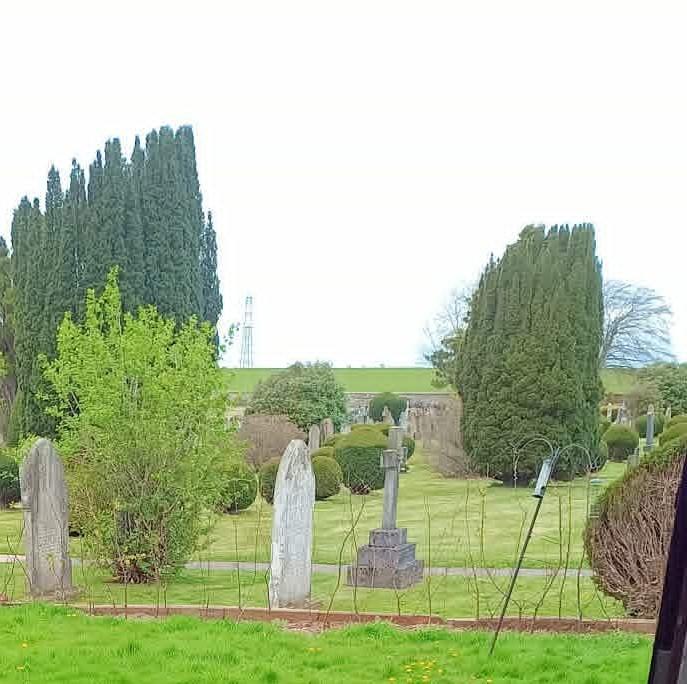
Concerns surrounding the wellbeing of terminally ill residents have resurfaced after reports indicated that individuals living at a care facility remain exposed to views of a nearby cemetery despite previous discussions about the issue.
The situation has sparked debate among residents, relatives, and community members who believe more should be done to ensure a comfortable and dignified environment for people receiving end of life care. Many argue that vulnerable residents should be provided with surroundings that promote peace, privacy, and emotional wellbeing.
Families and supporters have expressed concern that the current circumstances may cause unnecessary distress for some residents. While individual reactions may vary, critics of the situation believe greater consideration should be given to the impact that the surrounding environment can have on people facing serious health conditions.
The issue has also highlighted broader discussions about care home design, planning decisions, and the importance of creating supportive spaces for residents. Experts in health and social care often emphasise the role that physical surroundings can play in influencing quality of life, particularly for those receiving specialist care.
Community representatives have called for constructive dialogue between relevant organisations and decision makers to explore possible solutions. Suggestions have included measures aimed at increasing privacy, improving landscaping, or introducing screening features that could reduce direct visibility.
Supporters of action on the matter argue that small environmental changes can make a meaningful difference to residents and their families during particularly sensitive periods of life. They believe that creating a more comforting atmosphere should be considered a priority wherever possible.
At the same time, some observers note that planning and infrastructure challenges can make such issues difficult to resolve quickly. Any proposed changes may require consultation, funding, and approval from multiple parties before implementation can proceed.
The debate has generated considerable interest within the local community, with many residents expressing sympathy for those affected. Discussions have centred on balancing practical considerations with the emotional and psychological needs of individuals receiving care.
Advocates for residents continue to press for progress, hoping that renewed attention will encourage a solution that addresses concerns while supporting the wellbeing of those living at the facility. The issue has become an example of how community voices can influence conversations about care standards and quality of life.
As discussions continue, many people hope that a resolution can be found that prioritises dignity, comfort, and respect for residents and their families. The ongoing concerns have reinforced the importance of ensuring that care environments meet not only physical needs but also emotional and personal wellbeing.
The matter remains under public scrutiny as local stakeholders consider what steps may be taken to improve conditions for those affected and provide a more supportive environment for vulnerable residents.
Got a news story or tip to share? Contact our editorial team by emailing news@lakelandpost.co.uk or call us directly on 0333 090 2080.