
Skywatchers Across UK Wowed As Rare Solar Eclipse Blots Out Most Of Sun
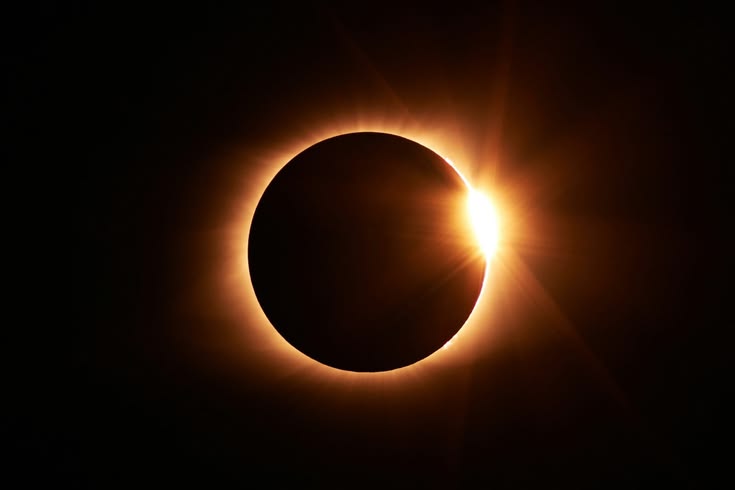
Skywatchers across the UK were left amazed as a rare solar eclipse passed across the country, with the Moon blocking out most of the Sun and creating an unusual twilight effect during Wednesday evening.
The eclipse took place on August 12 and was visible as a partial eclipse across Britain. In many areas, between 90 and 96 per cent of the Sun was obscured, making it the most significant solar eclipse visible from the UK since 1999.
People gathered at parks, open spaces, high ground and other locations with clear views of the western sky to watch the Moon gradually move across the Sun. The event attracted large crowds, with many observers using specially designed eclipse glasses and solar viewing equipment.
The eclipse reached its peak during the early evening, with the Moon covering more than 90 per cent of the Sun in much of the UK and creating noticeably dimmer and more unusual lighting across the landscape.
The western parts of the country experienced some of the greatest coverage. Cornwall saw around 95 per cent of the Sun obscured, while London experienced more than 90 per cent coverage. Scotland also saw a substantial eclipse, although cloud and rain affected visibility in some areas.
Although the UK did not experience totality, the event formed part of a much larger total solar eclipse that crossed areas including Greenland, Iceland and northern Spain. In those locations, the Moon completely covered the Sun and observers were able to see the solar corona around the darkened Moon.
The eclipse generated considerable public interest, with specialist solar viewing glasses becoming difficult to find in some areas. Some people also used pinhole viewers and other indirect viewing methods to observe the event safely.
Astronomers had repeatedly warned the public not to look directly at the Sun without suitable protection. Ordinary sunglasses do not provide sufficient protection, and looking directly at the partially eclipsed Sun can cause permanent eye damage.
The event also coincided with the peak period of the Perseid meteor shower, giving astronomy enthusiasts an additional reason to look towards the night sky. However, the timing and brightness of the Moon meant that viewing conditions for meteors were not ideal.
For many observers, the eclipse represented a rare opportunity to witness a major astronomical event from Britain. The next eclipse of comparable depth will not occur in the UK for decades, while the next total solar eclipse visible from the country is not expected until 2090.
The spectacle brought together professional astronomers, amateur skywatchers and families across the country, turning an ordinary summer evening into a memorable astronomical event.
Got a news story or tip to share? Contact our editorial team by emailing news@lakelandpost.co.uk or call us directly on 0333 090 2080.