
RSPCA Warns Public About Growing Risks Of Artificial Intelligence Animal Content
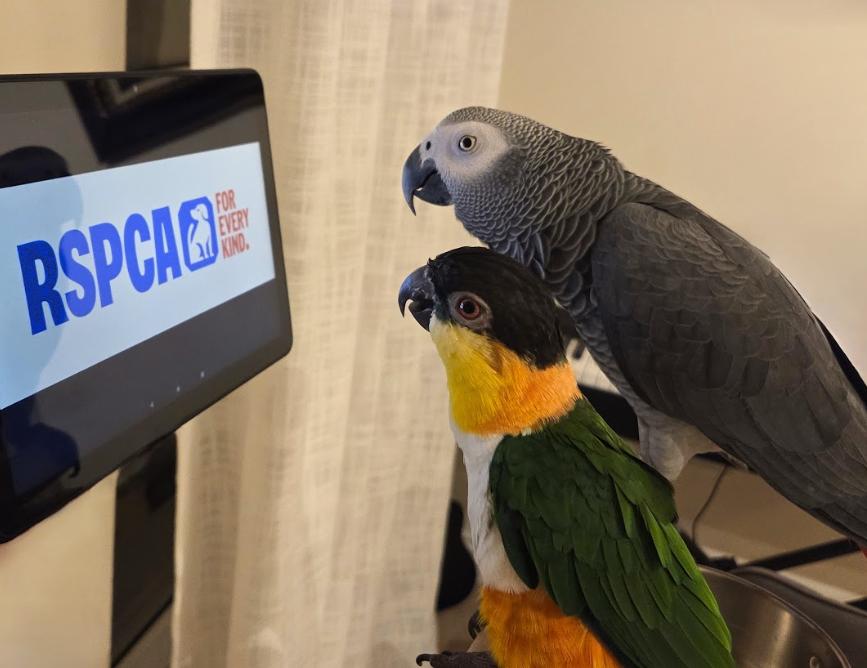
The RSPCA has warned the public to be increasingly cautious about the growing use of artificial intelligence in creating fake or misleading animal related content online.
The charity says advances in AI technology are making it more difficult to distinguish between genuine cases of animal welfare concerns and digitally generated material. According to the organisation, realistic AI generated images and videos have become more common across social media platforms, where they can quickly attract attention, sympathy, and financial support. While many genuine appeals exist, the charity is encouraging people to verify information before sharing posts or contributing to fundraising campaigns.
The RSPCA explained that misleading AI content can spread misinformation, divert attention from real animal welfare issues, and potentially undermine public trust in legitimate rescue organisations. Officials say this makes it even more important for people to rely on verified sources when responding to online appeals involving animals.
Animal welfare experts have advised social media users to look for signs that content may have been digitally created or manipulated. Checking the original source, confirming whether recognised charities are involved, and reviewing information from official organisations can help reduce the spread of false material.
The charity also stressed that genuine animal rescue organisations work hard to document real cases responsibly and transparently. Donations made through official charity websites and verified fundraising channels are more likely to reach animals and communities that genuinely need support.
Technology specialists note that artificial intelligence continues to develop rapidly, providing many positive opportunities while also creating new challenges. As AI tools become more sophisticated, experts believe digital literacy and public awareness will play a vital role in helping people identify misinformation. The warning serves as a reminder that emotionally powerful images are not always authentic. Online users are encouraged to pause before sharing content, verify its credibility, and report suspicious posts that appear designed to mislead the public.
The RSPCA says responsible use of technology, combined with careful fact checking, can help protect both animals and the public from misinformation. By supporting trusted organisations and remaining alert to misleading online content, people can ensure their efforts make a genuine difference to animal welfare.
As AI generated material becomes increasingly realistic, the charity believes awareness and responsible online behaviour will be essential in maintaining confidence in legitimate rescue work and ensuring real animals continue to receive the care and support they need.
Got a news story or tip to share? Contact our editorial team by emailing news@lakelandpost.co.uk or call us directly on 0333 090 2080.