
RSPB Celebrates First Osprey Chicks Born At Cumbria Nature Reserve.
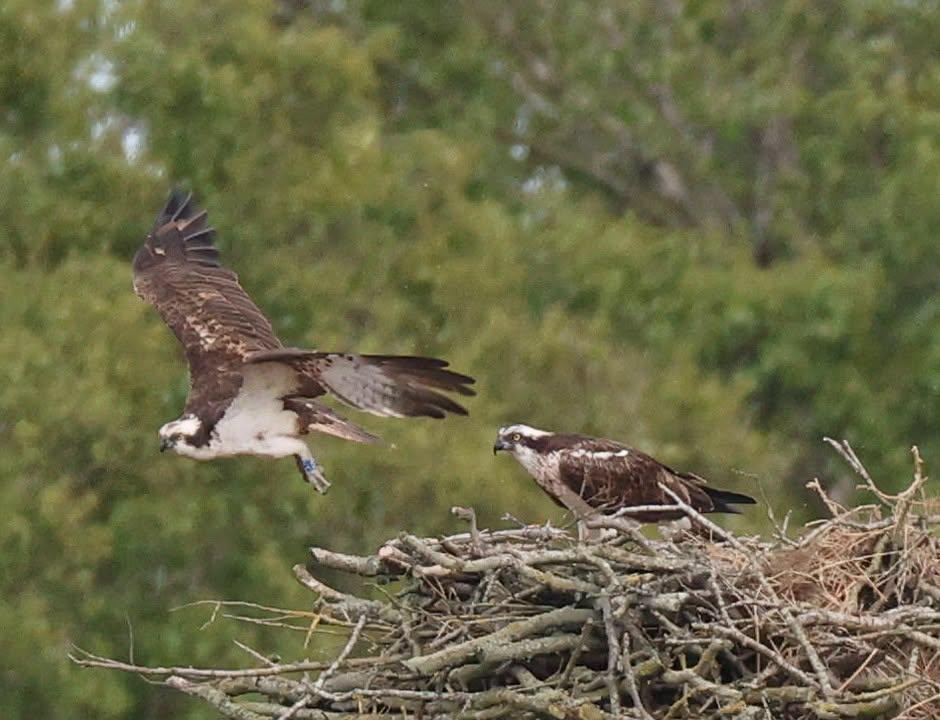
The RSPB is celebrating a major conservation milestone in Cumbria after ospreys successfully bred at one of its nature reserves for the first time.
The achievement marks an important moment for the conservation organisation, which has been working to protect habitats and support the recovery of osprey populations across the UK. The successful breeding has resulted in osprey chicks being born at the Cumbrian reserve, providing an encouraging sign for the future of the species in the region. The RSPB described the development as a first for its England reserves this year.
Ospreys are large birds of prey that are particularly recognisable for their impressive fishing ability. They typically hunt over lakes, rivers and coastal waters, diving into the water to catch fish. The arrival of chicks represents more than just an exciting wildlife sighting. Successful breeding is an important indicator that the surrounding habitat is providing the food, shelter and nesting conditions required by the birds.
The milestone is also significant because ospreys have made a remarkable recovery in Britain after disappearing as a breeding species for many years. Conservation programmes, habitat protection and careful monitoring have helped the birds establish themselves at locations across the country.
Cumbria provides particularly suitable conditions for ospreys because of its abundance of lakes, rivers and other waterways. The county's extensive natural landscape can provide both feeding opportunities and suitable nesting locations.
The latest breeding success adds to a growing series of positive osprey developments across Cumbria. Three further osprey chicks have also been reported by Cumbria Wildlife Trust, highlighting the wider conservation progress being made for the species in the county. For conservationists, monitoring the young birds will now be an important part of the process. Osprey chicks need to develop their strength and flying skills before eventually becoming independent.
During the breeding season, wildlife organisations carefully monitor nests while taking steps to minimise disturbance. Keeping a safe distance from nesting birds is particularly important because unnecessary disturbance can affect feeding and breeding behaviour. The successful breeding also provides an opportunity for visitors to learn more about Cumbria's wildlife and conservation work.
Nature reserves play an important role in protecting habitats while providing spaces where people can experience wildlife responsibly. The presence of breeding ospreys can also increase public interest in the importance of protecting lakes, wetlands and surrounding countryside.
The RSPB's latest milestone demonstrates the value of long term conservation efforts. Wildlife recovery does not happen overnight, and successful breeding can be the result of years of habitat management, monitoring and protection. The arrival of the chicks is therefore likely to be welcomed by conservationists, volunteers and wildlife enthusiasts across the county.
For Cumbria, the development is another encouraging sign that its natural environment can support rare and iconic birds of prey. As the chicks continue to grow, conservation teams will be watching their progress closely. Their development and eventual fledging will be important stages in what could become a significant new chapter for ospreys at the reserve. The successful breeding is ultimately a positive story for both the RSPB and Cumbria's wider wildlife community, offering further evidence that careful conservation can help threatened and recovering species thrive.
Got a news story or tip to share? Contact our editorial team by emailing news@lakelandpost.co.uk or call us directly on 0333 090 2080.