
Ospreys Successfully Breed At Cumbria Nature Reserve For First Time.
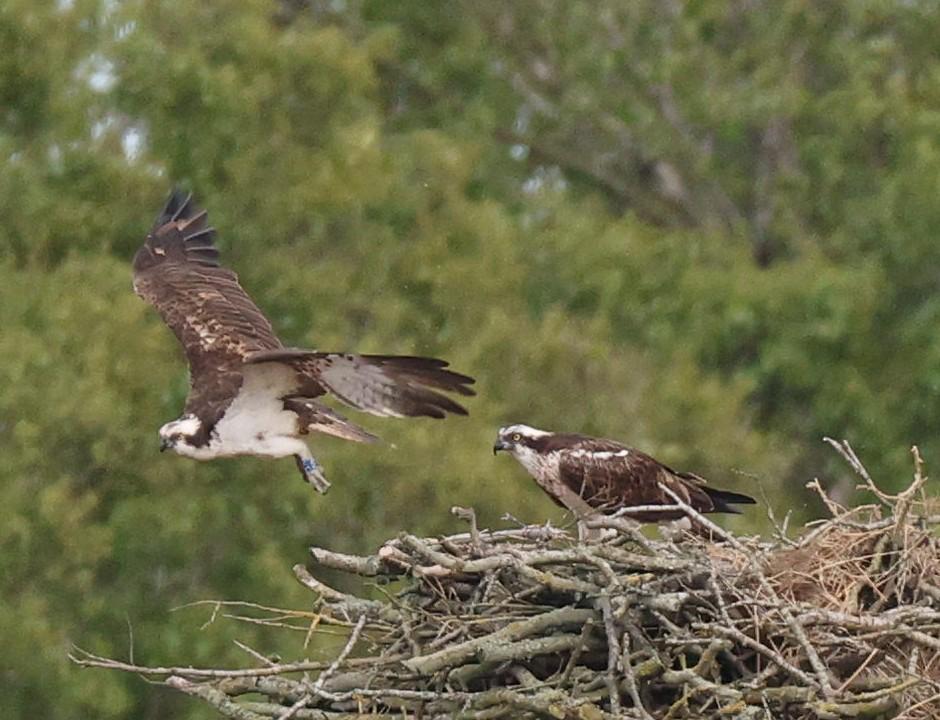
A pair of ospreys have successfully bred at a Cumbria nature reserve for the first time, marking an exciting development for wildlife conservation in the county.
The successful breeding has been welcomed as an important sign of progress for the protection and recovery of one of Britain's most recognisable birds of prey. Ospreys are large fish eating birds that migrate between their breeding grounds in the UK and wintering areas further south. Their return to Cumbria has been closely followed by wildlife organisations and birdwatchers, with conservation work helping to create suitable conditions for the birds to nest and raise their young.
The development comes as osprey numbers and breeding activity continue to attract attention across Cumbria and the South Lakes. Foulshaw Moss Nature Reserve near Witherslack has become an important location for osprey conservation. Cumbria Wildlife Trust said its established breeding pair, Blue 35 and White YW, have bred at the reserve every year since 2014. A younger pair also arrived at the reserve in 2025 and successfully bred that year.
The reserve has undergone major habitat restoration over many years. The approximately 900 acre site was previously drained and used for commercial forestry before being restored as a wetland environment supporting a wide range of wildlife. The success of ospreys at Foulshaw Moss demonstrates the importance of providing suitable nesting areas and protecting habitats where the birds can feed and raise their young.
Wildlife supporters have also been able to follow the birds through live cameras installed at the reserve. Cumbria Wildlife Trust currently operates cameras covering the osprey nests, allowing people to observe the birds without getting too close and disturbing them.
The importance of osprey conservation in Cumbria has been recognised for many years. In 2014, a pair successfully raised two male chicks at Roudsea Wood and Mosses National Nature Reserve in South Cumbria, marking the first time ospreys had nested on one of Natural England's National Nature Reserves.
The birds have also established a strong presence elsewhere in the county. At Bassenthwaite Lake, ospreys returned to breed in 2001 after an absence of more than 150 years. The species has continued to return to the area, with breeding activity becoming an important part of Cumbria's wildlife heritage.
The latest breeding success is therefore another positive moment for Cumbria's wildlife and conservation community. However, wildlife organisations continue to stress the importance of responsible behaviour around nesting sites. Osprey nests can be vulnerable to disturbance, particularly when they are close to public walking routes or viewing areas.
Visitors are encouraged to follow guidance from conservation organisations, use designated viewing facilities and avoid approaching nesting areas too closely. The successful breeding also provides an encouraging indication that carefully managed habitats can support the return and expansion of species that were once under serious pressure.
For local wildlife enthusiasts, the arrival and breeding of ospreys offers a rare opportunity to watch these impressive birds in their natural environment while also demonstrating the value of long term conservation work.
Got a news story or tip to share? Contact our editorial team by emailing news@lakelandpost.co.uk or call us directly on 0333 090 2080.