
New Deer Management Strategy Launched to Protect Lake District Landscape
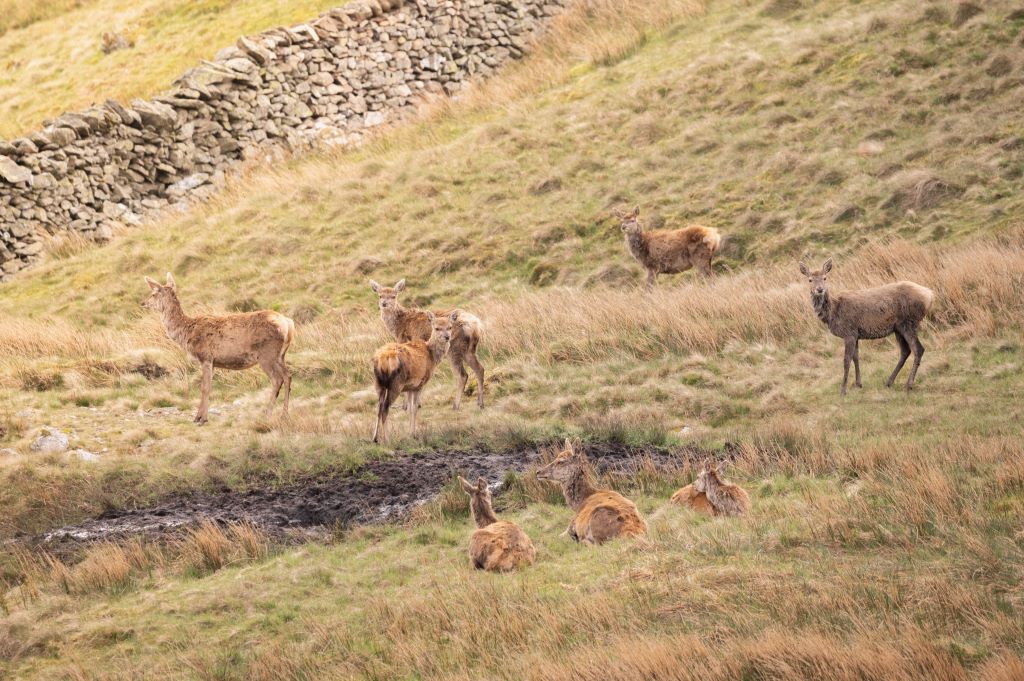
A new long-term deer management strategy has been launched in the Lake District in an effort to protect woodlands, improve biodiversity, and reduce environmental damage caused by rising deer populations across the national park.
Conservation organisations, landowners, and public authorities have joined forces to introduce a new deer management strategy aimed at safeguarding the future of the Lake District’s landscapes and habitats.
The initiative, launched this week, sets out a coordinated approach to managing deer populations across the national park over the coming years. The strategy has been developed through collaboration between the Lake District National Park Authority, the National Trust, Forestry England, private estates, farming groups, and conservation bodies.
Officials say increasing deer numbers have placed growing pressure on woodlands, peatlands, and sensitive habitats throughout the region. Deer grazing and browsing can prevent young trees from regenerating naturally, damage rare plant species, and affect wider biodiversity by altering ecosystems that support birds, insects, and other wildlife.
The strategy outlines plan to improve monitoring of deer populations, strengthen cooperation between land managers, and introduce more consistent approaches to population control across different parts of the national park. It also aims to balance environmental protection with animal welfare and the cultural importance of deer within the Lake District landscape.
Conservation experts involved in the project warned that without better management, the long-term impact on woodland recovery and climate resilience could become increasingly severe. Large-scale tree planting and habitat restoration projects currently underway across Cumbria depend heavily on controlling grazing pressure from deer to allow young forests to establish successfully.
The strategy also highlights concerns over road safety and agricultural damage linked to expanding deer populations. Deer-related vehicle collisions have become more common in rural areas of Cumbria in recent years, while some farmers have reported crop losses and damage to fences caused by roaming animals.
Representatives from partner organisations stressed that the plan does not aim to eliminate deer from the Lake District but instead promote sustainable population levels that allow nature recovery projects to succeed while maintaining healthy deer herds.
Forestry and conservation groups said the initiative reflects a broader national effort to tackle ecological pressures linked to unmanaged deer populations across the UK. Similar management strategies have been introduced in parts of Scotland and other English national parks where woodland restoration has been hindered by excessive grazing.
The Lake District National Park Authority said public engagement and education would form a key part of the strategy moving forward, with efforts planned to explain why deer management is increasingly important for biodiversity, woodland recovery, and climate adaptation projects throughout the national park.
Got a news story or tip to share? Contact our editorial team by emailing news@lakelandpost.co.uk or call us directly on 0333 090 2080.