
Nepal Tibet Flood Death Toll Surpasses 900 As More Than 4,700 Remain Missing
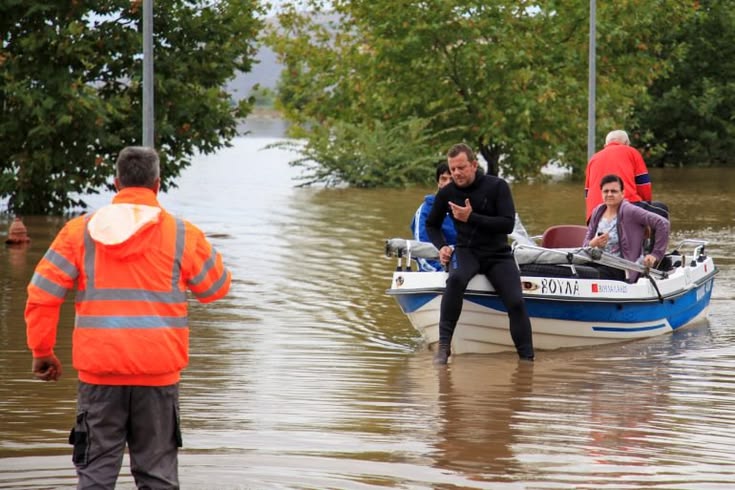
The death toll from devastating flash floods along the Nepal Tibet border has risen to at least 919, while more than 4,700 people remain missing as rescue teams continue searching through heavily damaged communities and remote mountain areas.
At least 903 bodies had been recovered in Nepal, according to the country's National Disaster Management Authority. The authority also reported that 4,247 people were still listed as missing, representing a significant increase from figures released previously as authorities continued compiling information from affected areas.
On the Tibetan side of the border, China's state run Xinhua news agency reported that 16 people had been confirmed dead. A further 546 people remained missing in the region, bringing the combined number of deaths and missing people across Nepal and Tibet to a devastating level.
The flooding struck the northern Rasuwa district of Nepal near the Tibetan border and inundated areas along the Trishuli River. Buildings were buried beneath mud and debris, while bridges, roads and other infrastructure were severely damaged by the force of the floodwaters.
The disaster was reportedly triggered by a landslide close to the Nepal Tibet frontier. The US Geological Survey recorded a magnitude 5.2 landslide in Nepal, while the initial glacier location was identified on a cliff roughly 16,000 feet above sea level.
The resulting debris avalanche travelled approximately 6,000 feet down the mountainside before sending a destructive mixture of ice, water, rock and mud into the river system. The resulting flood travelled at least 62 miles downstream into Nepal, according to analysis of verified video and satellite imagery.
The scale of the destruction has left rescue teams facing major logistical difficulties. Remote terrain, damaged roads and disrupted communications have made it difficult for authorities to establish the whereabouts of missing people and reach communities affected by the flooding.
Among those still missing are large numbers of workers connected with hydropower projects. Rescue teams have been concentrating on areas where workers are believed to have been trapped inside tunnels after floodwaters and debris struck facilities in the affected region.
International nationals are also among those unaccounted for. At least 85 Americans were still reported missing, according to US State Department spokesperson Tommy Pigott, while nine American citizens had been evacuated from the affected area.
The United States has activated $3.6 million in emergency humanitarian assistance for the disaster. The funding includes support for providing up to three months of emergency food supplies to as many as 10,000 households affected by the flooding.
The US Embassy in Kathmandu has warned Americans against travelling to the affected region because of extensive flood damage, disrupted transport and communications, continuing search and rescue operations and the possibility of further flooding and landslides.
Nepali authorities have continued large scale rescue and recovery operations as families search for relatives who remain unaccounted for. The difficult conditions have also complicated the identification and recovery of bodies, with authorities working to establish the full scale of the disaster.
The destruction has affected communities along a substantial stretch of the Trishuli River and surrounding areas. Roads and bridges damaged by the flood have created additional obstacles for rescue teams, while the mountainous landscape has made access to some locations particularly challenging.
The disaster has also caused significant damage to important infrastructure, including hydropower facilities. The search for missing workers at these sites has become a major focus of the continuing emergency response as authorities attempt to reach areas buried beneath mud and debris.
Officials remain concerned about the possibility of additional hazards in the affected region. Further flooding and landslides could create new risks for survivors, rescuers and communities already dealing with widespread damage.
The latest figures underline the scale of the catastrophe across the Nepal Tibet border region. With hundreds of people still missing and rescue teams continuing to search difficult terrain, authorities have warned that the final number of victims may change as further information becomes available.
Search and rescue operations remain ongoing, with officials continuing to prioritise people who may still be trapped or stranded. The full extent of the damage and loss is expected to become clearer as teams gain access to isolated areas and more reports are verified.
Got a news story or tip to share? Contact our editorial team by emailing news@lakelandpost.co.uk or call us directly on 0333 090 2080.