
Lake District Walker Rescued After Fall Near Catbells
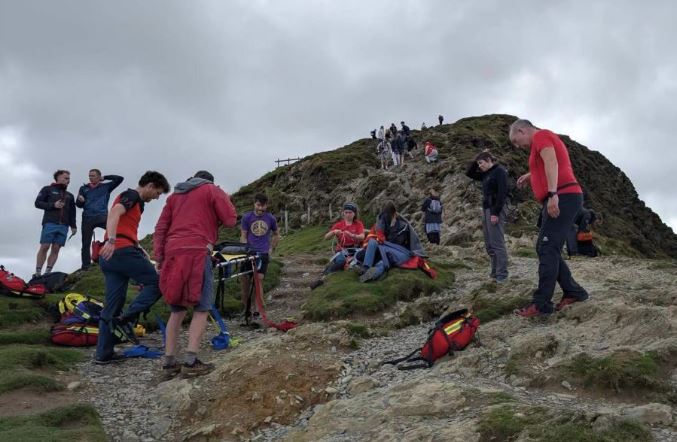
A Lake District walker was rescued after falling near Catbells and dislocating his knee during a countryside outing.
Keswick Mountain Rescue Team was called to the area close to the summit of Catbells at around 12.05pm after the man suffered the injury. The incident happened during a walk on the popular fell, where the terrain can present challenges even in otherwise suitable conditions. A passing paramedic was already at the scene and had managed to relocate the man's dislocated knee. Despite that initial treatment, the walker remained unable to continue making his way from the fell.
The mountain rescue team attended to carry out a further assessment and determine the safest way to get the injured man off the fell. Because he was unable to walk following the injury, the team needed to use a stretcher rather than attempting to support him on foot. The rescue operation therefore focused on moving him carefully across the fell terrain and down towards the road.
Rescuers used a stretcher to transport the walker from the hillside, sledging him down towards the road. This method allowed the team to move him despite his inability to put weight on the injured leg. Mountain rescue teams regularly use stretchers and other specialist equipment when walkers are unable to make their own way from difficult terrain. The approach also reduces the need for an injured person to move unnecessarily after suffering a significant joint injury.
The incident took place close to the summit of Catbells, one of the well known fells overlooking Derwentwater. The area attracts walkers throughout the year and includes routes with uneven ground and changes in elevation. Although Catbells is often regarded as an accessible fell for walkers, conditions and individual circumstances can still result in accidents or injuries. The rescue highlighted the importance of being prepared when heading into the Lake District hills.
A passing paramedic played an important role before the mountain rescue team arrived. The paramedic had been able to relocate the man's knee, providing immediate assistance at the scene. However, the walker was still unable to continue his journey, meaning specialist mountain rescue support was required to bring him safely down from the fell.
Once Keswick Mountain Rescue Team had completed its assessment, members began the stretcher evacuation. The team carefully moved the injured walker downhill towards the road, where he could be transferred from the fell environment and continue his treatment. The operation required rescuers to work across the terrain while managing the man's injury and ensuring that he was transported as safely as possible.
The rescue demonstrates the role of mountain rescue teams in dealing with incidents where injured walkers cannot safely leave the hills without assistance. Even when an injury has received initial treatment, difficult terrain can make it impossible for someone to walk to a road or waiting vehicle. Specialist teams provide the personnel, equipment and experience needed to carry out such evacuations in challenging outdoor environments.
Catbells is situated within one of the Lake District's most popular walking areas, with routes offering views across the surrounding landscape. Its popularity means the paths can be busy, particularly during favourable weather and holiday periods. Walkers using the fell are still advised to consider their footwear, clothing, navigation equipment and physical ability before setting out, particularly where routes involve steep or uneven sections.
For the injured walker, the immediate priority after the fall was receiving treatment and being moved from the fell. The intervention by the passing paramedic helped address the dislocated knee, while the arrival of the mountain rescue team provided the additional support required for the evacuation. The combined response allowed the man to be taken from the hillside despite being unable to walk independently.
After being brought down to the road, the man's family took him to hospital for further checks and treatment. The family transport arrangement meant that a further air ambulance or ambulance evacuation was not required once the walker had been brought off the fell. He was therefore able to continue his medical assessment away from the mountain environment.
The incident also serves as a reminder that injuries can occur even on well established and popular walking routes. A fall or sudden injury can quickly turn an ordinary walk into a situation requiring specialist assistance. Carrying suitable equipment, checking conditions before setting out and making sure someone knows the intended route can all help walkers prepare for unexpected situations.
Keswick Mountain Rescue Team's response formed part of the wider emergency support available to people exploring the Lake District. Mountain rescue volunteers regularly attend incidents involving falls, medical problems, navigation difficulties and other emergencies across the area's fells. Their work allows injured or vulnerable walkers to receive assistance in places where conventional emergency vehicles cannot easily reach.
The incident near Catbells was resolved with the walker successfully brought from the fell to the road after his knee injury left him unable to continue. Initial medical assistance came from a passing paramedic, followed by the specialist stretcher evacuation carried out by the mountain rescue team. His family then took him to hospital for further checks and treatment.
Got a news story or tip to share? Contact our editorial team by emailing news@lakelandpost.co.uk or call us directly on 0333 090 2080.