
Lake District House Gets Planning Permission For Hidden Woodland Paths.
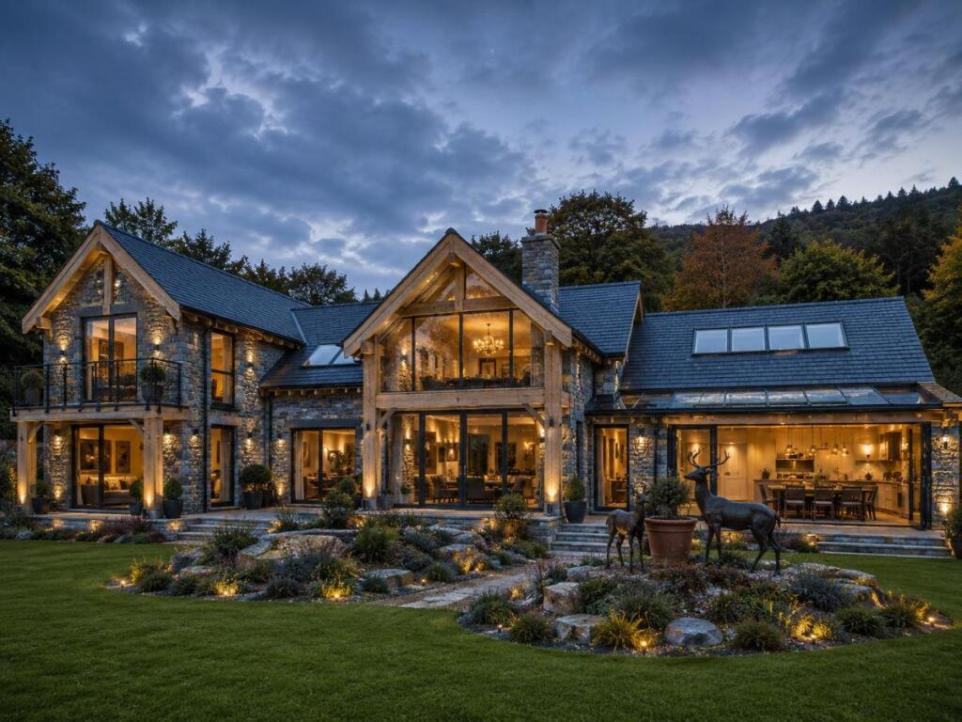
A Lake District house has been granted planning permission following plans for the property and its surrounding woodland area.
The proposal has attracted interest because of the site's rural setting and the network of woodland paths hidden around the property. The planning decision provides the applicant with the opportunity to move forward with the proposed changes, subject to the conditions attached to the permission. Properties surrounded by woodland and countryside can present particular challenges during the planning process, as authorities must consider how development could affect the character of the area.
The Lake District is known for its protected landscapes and distinctive rural character, making planning applications within the region subject to careful consideration. The location of the property means that the impact of any changes can be important not only for the house itself but also for the surrounding landscape.
Woodland paths can add significant character to rural properties, providing access through trees and connecting different parts of a site. The planning proposals therefore involve more than simply changes to a residential building. The surrounding land and its relationship with the property are also important elements of the application.
For people living nearby, planning decisions can have a direct impact on the appearance and use of properties in their area. Planning authorities consider a range of factors when assessing applications, including the design of proposed work, its effect on neighbouring properties, access, environmental considerations and the wider appearance of the area.
In a location such as the Lake District, protecting the character of the countryside is particularly important. The area's landscapes attract visitors from across the UK and overseas, while residents and businesses rely on maintaining the unique character of the region.
The approval means the proposed work can now progress, although any conditions imposed as part of the planning decision will need to be followed. The property and its woodland surroundings offer an example of the type of development that can attract attention in rural parts of Cumbria.
Hidden woodland paths and mature trees can make properties particularly distinctive, while also creating additional considerations for owners seeking to make changes. For the applicant, securing permission represents an important step towards carrying out the planned work.
For the wider community, the decision provides an insight into how planning and countryside protection interact across the Lake District. The Lake District continues to experience demand for homes and property, but development must take account of the area's special landscape and environmental qualities.
As work progresses, attention is likely to remain on how the approved changes fit into the existing surroundings. The planning decision ultimately allows the property plans to move forward while maintaining the need to respect the character of the woodland and wider Lake District setting. The case highlights the balance between developing existing homes and protecting Cumbria's distinctive countryside, an issue that remains important in planning decisions across the region.
Got a news story or tip to share? Contact our editorial team by emailing news@lakelandpost.co.uk or call us directly on 0333 090 2080.