
Lake District Homeowner Loses Appeal Over Unauthorised Holiday Let
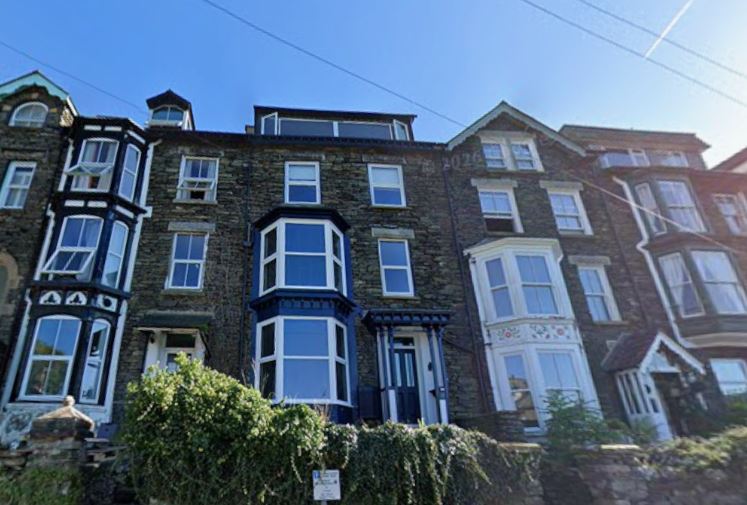
A Bowness homeowner has lost a planning appeal after an unauthorised holiday let was found to represent a material change in the use of the property.
The case concerns 131 Craig Walk in Bowness, where the Lake District National Park Authority took enforcement action after the property was used for short term accommodation. An enforcement notice was issued in September 2025 requiring Greg Taylor to stop operating the property as a holiday let because the authority considered the use to be a breach of planning control.
Mr Taylor appealed against the enforcement action through the Planning Inspectorate. His case argued that the property had been lawfully used as a house and that its use did not amount to a planning breach requiring permission. The appeal therefore centred on the established use of the property and whether the change to short term accommodation required formal planning approval.
Evidence considered during the appeal included marketing material from 2023. The material described the property as a successful house in multiple occupation, which the planning inspector considered significant when assessing its previous lawful use.
The inspector also examined the pattern of bookings recorded at the property. There were 55 bookings between June 2024 and January 2025, covering a period of approximately 30 weeks. The frequency and nature of those bookings were considered when determining whether the property's use had changed in a way that was materially different from an ordinary dwelling.
Around 69 per cent of the recorded visits involved stays of just two nights. No guests were recorded as staying for more than five nights during the period considered by the inspector. The pattern indicated a regular turnover of occupants, with visitors using the property for short periods rather than establishing longer term occupation.
The inspector concluded that this level of turnover created a material difference in activity around the property. Increased movements by visitors were considered likely to affect traffic and pedestrian activity outside the building compared with a conventional residential use.
The appeal also considered the wider implications of removing the property from the local housing supply. The inspector noted that the building was capable of meeting local housing needs, meaning its use as holiday accommodation had implications beyond the immediate operation of the property.
The planning inspector found that the 2023 marketing particulars created doubts about the claim that the property had been continuously used as a normal dwelling falling within the relevant residential planning use. The reference to a house in multiple occupation was particularly important when considering the evidence presented during the appeal.
The inspector also found it more probable than not that the property had been used in accordance with its house in multiple occupation licence. This assessment formed part of the reasoning behind the decision that the property's later use as short term accommodation represented a material change of use.
A further issue concerned the evidence required to establish the lawful use of the property. The appellant argued that the planning authority needed to demonstrate continuous house in multiple occupation use over a period of 10 years.
However, the inspector rejected that approach and stated that the responsibility was instead on the appellant to provide precise evidence demonstrating the lawful use of the property. The evidence presented was not considered sufficient to establish the position claimed by the homeowner.
The inspector ultimately determined that the breach constituted a material change of use for which planning permission was required. As a result, the appeal against the enforcement action was dismissed and the authority's position was upheld.
The decision highlights the planning considerations that can arise when residential properties are used for short term visitor accommodation. Booking patterns, previous use, marketing information and the effect of frequent guest turnover can all form part of the assessment.
For properties within the Lake District, planning controls can also play an important role in balancing visitor accommodation with the availability of homes for local housing needs. The decision at Craig Walk demonstrates how evidence about the actual use of a property can be examined when an enforcement case reaches appeal.
The case also underlines the importance of establishing the lawful planning use of a property when challenging an enforcement notice. Where evidence about previous occupation, licensing arrangements and subsequent bookings differs, those records can become central to the planning assessment.
Got a news story or tip to share? Contact our editorial team by emailing news@lakelandpost.co.uk or call us directly on 0333 090 2080.