
Jeremy Clarkson Frustrated After Missing Solar Eclipse At Cotswolds Farm
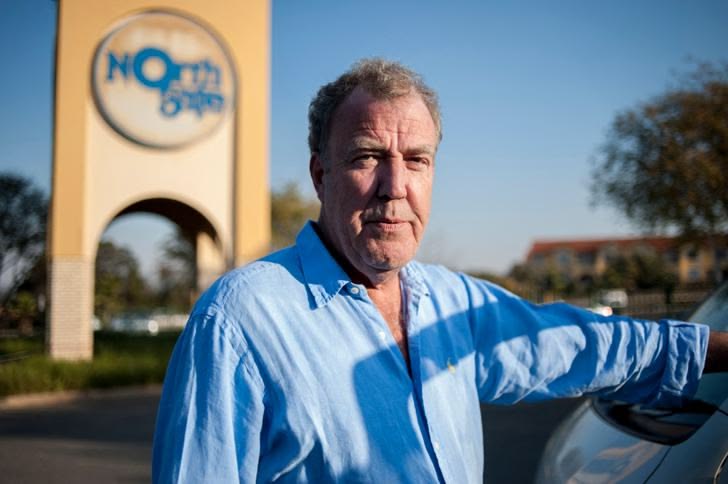
Jeremy Clarkson has revealed his frustration after he was unable to see the solar eclipse from his farm in the Cotswolds, despite millions of people across Britain turning out to watch the rare astronomical event.
The Clarkson’s Farm star, who is 66, lives at the 1,000 acre Diddly Squat Farm in Oxfordshire with his partner Lisa Hogan. He shared a photograph showing the bright sun above his fields after the eclipse failed to appear clearly from his location.
The eclipse saw the Moon move across the Sun, covering up to 96 per cent of it in parts of the UK. Some areas experienced near total darkness as the astronomical event unfolded, attracting large crowds of spectators who gathered to watch the unusual sight.
Clarkson expressed his disappointment on Instagram, posting an image of the bright white Sun over his farm. He said it was frustrating that the eclipse had not been visible from Chipping Norton, where his farm is located.
The presenter was among a number of well known figures who commented on the eclipse, although other celebrities were able to enjoy clearer views. Romeo Beckham, Ronan Keating and Myleene Klass were among those who shared their experiences of watching the event.
The next partial solar eclipse visible from the UK is not expected until 2050, while the next total solar eclipse is due in 2090. The rarity of the event added to the disappointment for those who were unable to see it because of local conditions.
Clarkson's frustration came as his farm continues to face difficult conditions following months of drought and exceptionally high temperatures. The presenter has previously warned that the lack of rainfall is creating serious problems for this year's agricultural production.
He recently shared a weather forecast for the Chipping Norton area showing temperatures reaching 29C, with little or no rainfall expected. The conditions prompted him to suggest that the harvest had already been badly affected and that there was little left to do other than enjoy the summer.
The extreme weather has caused wider concern across the British farming industry. The exceptionally hot and dry conditions have raised fears that the country's 2026 harvest could become one of the worst on record, with cereals and oilseed production particularly vulnerable.
Analysis from the Energy and Climate Intelligence Unit estimated that the difficult weather could reduce the expected cereals and oilseed harvest by around 2.5 million tonnes. The organisation also estimated that the impact could cost British farmers as much as £390 million.
Clarkson's farm has experienced difficult growing conditions before, with the presenter previously describing the impact of hot and dry weather on agricultural production. He has spoken publicly about the challenges facing his farm as rainfall becomes increasingly unreliable.
The problems have also affected Clarkson's wider farming operation, with his team having to monitor soil and moisture conditions closely. He previously described one year's harvest as potentially being his worst ever after prolonged periods without significant rainfall.
The presenter has increasingly used Clarkson's Farm to highlight the challenges faced by farmers, including unpredictable weather, rising costs and difficulties maintaining profitable agricultural operations. The programme has also brought wider public attention to the pressures facing the farming sector.
The latest conditions provide another example of the difficulties confronting Diddly Squat Farm, where the combination of high temperatures and limited rainfall has created significant uncertainty around crop production. The impact on the final harvest will become clearer as the agricultural season progresses.
While Clarkson was unable to enjoy the eclipse from his Oxfordshire farm, the event provided a rare spectacle for people elsewhere across Britain. For the presenter, however, the astronomical disappointment came against a backdrop of much more serious concerns about the condition of his crops and the future of this year's harvest.
Got a news story or tip to share? Contact our editorial team by emailing news@lakelandpost.co.uk or call us directly on 0333 090 2080.