
First Bluetongue Cases Confirmed At Two Cumbrian Locations
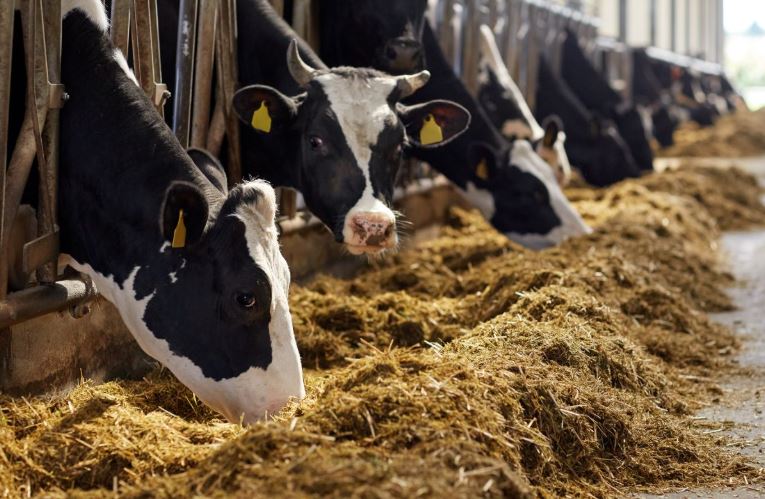
The first confirmed cases of bluetongue in Cumbria have been identified at two locations in the county, prompting renewed warnings to livestock keepers as authorities continue to monitor the spread of the potentially fatal disease.
The cases have been confirmed at premises in the Millom area and the Carlisle area, marking the first reported infections in Cumbria during the current outbreak. The disease affects susceptible livestock and can have serious consequences for affected animals and farming businesses.
Bluetongue primarily affects sheep and cattle, but other susceptible ruminants can also become infected. Deer and goats are among the animals at risk, while camelids including alpacas and llamas can also contract the virus.
The disease is mainly spread by biting midges rather than through direct transmission between animals. These insects can carry the virus between susceptible livestock, meaning weather conditions that favour midge activity can contribute to increased transmission.
Bluetongue does not affect humans, and the disease does not present a food safety risk. However, it can cause serious illness in livestock and can be fatal, making the latest confirmed cases a significant concern for farmers and animal keepers across the county.
Symptoms in affected animals can include fever, swelling around the face and lameness. Livestock keepers are being urged to monitor their animals closely and remain alert for signs that could indicate infection.
The number of potential bluetongue cases under investigation across Great Britain has also risen significantly. There are now 2,236 potential cases being investigated, highlighting the scale of the current disease situation and the continuing challenge facing livestock keepers.
Restrictions relating to bluetongue are currently in place across the whole of England. The measures are intended to help manage the spread of the disease and reduce the risk of further transmission between susceptible livestock populations.
Vaccination remains an important tool available to farmers seeking to protect their animals. The Government has authorised three vaccines for bluetongue serotype 3, commonly referred to as BTV 3, for use in Great Britain.
Vaccine availability is currently under pressure, with stocks described as low amid demand from livestock keepers. The Department for Environment, Food and Rural Affairs and the Veterinary Medicines Directorate have been working with manufacturers to help bring additional supplies into Great Britain.
Farmers and vets have been encouraged to place vaccine orders to help secure available supplies. Veterinary advice is also being recommended so livestock keepers can discuss vaccination and determine the most appropriate approach for their herds or flocks.
The recent hot and humid weather has created favourable conditions for the biting midges responsible for spreading bluetongue. The weather has been identified as a likely factor behind the recent increase in cases, adding to the challenges facing farmers and veterinary professionals.
Chief Veterinary Officer Christine Middlemiss described the current situation as the worst bluetongue outbreak the UK has experienced. She warned that the disease can have serious animal welfare and business consequences and urged farmers to discuss vaccination with their vets.
Farmers and other livestock keepers across Cumbria are being urged to remain particularly vigilant following confirmation of the two local cases. Bluetongue is a notifiable disease, meaning suspected infections must be reported to the relevant authorities by law so that potential outbreaks can be investigated and managed.
Anyone in England who suspects an animal may have bluetongue should report the concern immediately to the Animal and Plant Health Agency by calling 03000 200 301. Early reporting allows veterinary authorities to investigate suspected cases and take appropriate action to limit the potential spread of the disease.
Got a news story or tip to share? Contact our editorial team by emailing news@lakelandpost.co.uk or call us directly on 0333 090 2080.