
AI Drones Set To Speed Up Cumbrian Storm Repairs
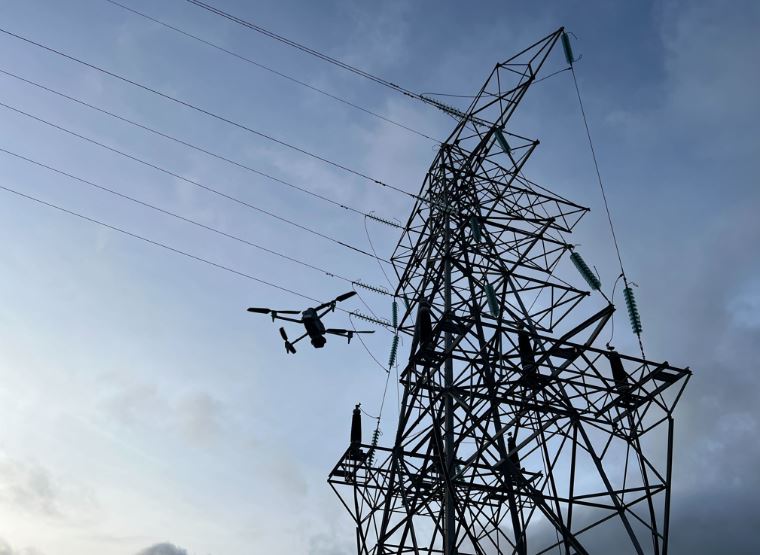
AI powered drones are set to help identify storm damage and speed up electricity repairs across parts of Cumbria.
SP Electricity North West will launch its Visual Overhead Line Tracking programme in November, beginning a 12 month trial covering areas around Carlisle and Kirkby Stephen. The project will use remotely operated drones equipped with technology capable of monitoring overhead electricity infrastructure and identifying potential faults. The aim is to improve the speed at which damage is detected, particularly following severe weather when conventional access to affected locations can become difficult.
The drones will be stationed at substations across Cumbria and will be available around the clock. This means they can be deployed when network problems occur rather than waiting for inspection teams to reach an affected area. Their availability is particularly relevant during storms and other severe weather events, when fallen trees, blocked roads and difficult ground conditions can prevent engineers from reaching damaged infrastructure quickly.
During the trial, live footage collected by the drones will be streamed directly to the electricity network operator's control room. The information will then be analysed using artificial intelligence software to help identify damage and assess the condition of electrical assets. Engineers will be able to use the information to understand the location and nature of problems before deciding which repairs need to be prioritised.
The technology is expected to be particularly useful when severe weather causes multiple problems across the electricity network at the same time. Storms can result in damage to overhead lines and supporting equipment, while fallen trees and branches can create additional hazards. By providing aerial information remotely, the trial could give engineers a clearer picture of affected areas without requiring teams to immediately travel to every location.
The project will also involve proactive inspections rather than being used solely after faults have occurred. The drones will collect both visual and thermal information from overhead electricity infrastructure. This information can help identify damaged assets and potential problems before they develop into failures that interrupt supplies to customers.
Tree growth and branches approaching overhead lines will also be monitored as part of the programme. Identifying vegetation that could threaten electrical infrastructure may allow potential problems to be addressed before they result in damage or an interruption to supply. The approach is intended to support preventative maintenance as well as emergency response during periods of severe weather.
The trial is being funded through Ofgem's Network Innovation Allowance, which supports projects designed to develop and test new approaches within the energy sector. The funding will allow the technology to be assessed in operational conditions across the selected Cumbrian areas. The results could provide information about how drone based monitoring can contribute to future network maintenance and emergency response.
SP Electricity North West is working with Skyports Drone Services as part of the project. The company will remotely operate the drones, allowing the aircraft to collect information without requiring pilots to travel to the locations being inspected. This remote operating model is particularly relevant for areas where access can be restricted following severe weather or other incidents.
The project also involves eSmart Systems, whose Grid Vision software will be used to analyse the information gathered from the network. Artificial intelligence will help identify potential issues within the visual data and assess the condition of electrical infrastructure. The combination of drone footage and automated analysis is intended to help engineers process information more quickly than relying entirely on conventional inspection methods.
The technology could also reduce the need for some traditional inspection approaches, including foot patrols and helicopter surveys. Instead of relying solely on physical teams travelling along sections of overhead line or arranging helicopter inspections, the operator will be able to obtain detailed information remotely. This could provide a faster way of understanding the condition of parts of the network while also supporting field teams with more information before they attend a site.
The trial is designed to improve fault detection, response times and continuous monitoring of electrical assets. Faster identification of problems could help engineers determine where resources are needed during network incidents. The operator also expects the technology to support improved safety by reducing unnecessary exposure for field teams working in difficult or potentially hazardous conditions.
The availability of drones at substations throughout the trial will allow them to be used when required rather than being deployed only for scheduled inspections. Their 24 hour availability means the system can potentially support responses during overnight incidents as well as problems occurring during normal working hours. This is particularly important during major storms, when damage can occur across large areas and access conditions can change rapidly.
Martin Tejada, innovation project manager at SP Electricity North West, said the project was intended to explore new ways of improving service for customers. He said combining drone technology with artificial intelligence could help identify issues more quickly, leading to faster responses and restoration of supplies, particularly in areas that are difficult to reach.
The information gathered during the trial will also provide a broader digital view of the electricity network. Rather than simply responding to faults after they occur, the system is intended to help the operator understand the condition of individual assets and identify developing problems. This could support more predictive maintenance by allowing work to be considered before infrastructure deteriorates further.
For communities across Carlisle and Kirkby Stephen, the project is intended to strengthen the resilience of the electricity network and improve the response to weather related incidents. Severe weather can create significant challenges for repair teams, particularly when roads become obstructed or when damaged infrastructure is located in remote areas. Having an aerial inspection system available could provide engineers with information before they reach the affected site.
The 12 month trial will provide an opportunity to assess how effectively the technology works in real network conditions. Its performance during storms, routine inspections and preventative maintenance will help determine the practical benefits of combining remotely operated drones with artificial intelligence. The project forms part of wider efforts to develop faster and more efficient methods for maintaining electricity infrastructure and responding to faults across Cumbria.
Got a news story or tip to share? Contact our editorial team by emailing news@lakelandpost.co.uk or call us directly on 0333 090 2080.