
A Farming Estate Fraud: How a £1.1 Million Lie Unravelled in Rural Cumbria
In the rolling countryside of Broughton-in-Furness, life usually moves at a slower, steadier pace. Neighbours know one another by name, and trust is part of everyday life. But behind that rural calm, an extraordinary deception was quietly taking shape one that nearly stripped a dead man’s estate of more than £1.1 million in land and assets.
This week, that deception finally collapsed.
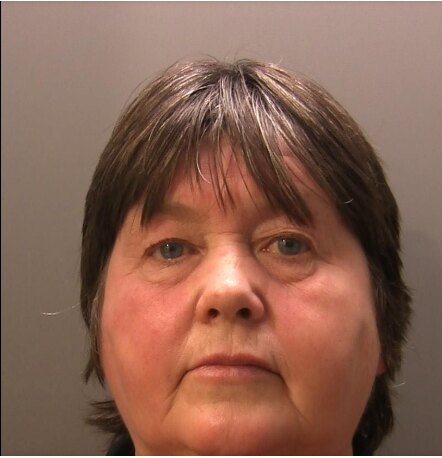
Janice Johnson, 66, from Thwaites near Millom, has been sentenced to four years in prison after a jury found her guilty of five counts of fraud by false representation. The sentence was delivered at Preston Crown Court, bringing an end to a case that has shaken a close knit farming community.
A Claim That Raised Eyebrows
The fraud centred on Johnson’s late neighbour, a farmer whose estate included valuable land and assets worth around £1.1 million. Following his death, Johnson stepped forward with a bold claim: she said the farmer had intended her and only her to inherit everything.
To support her story, Johnson produced a series of letters which she claimed had been written by the deceased. According to her, the letters clearly expressed his wish that she should become the sole beneficiary of his farming estate.
But prosecutors said the claims were entirely false.
Letters That Didn’t Add Up
The court heard that several of the documents Johnson relied on failed even the most basic legal requirements of a valid will. Some were quickly dismissed as legally meaningless.
Still, Johnson pressed on.
She placed particular emphasis on one key letter, insisting it had been witnessed by individuals who had since died people who could no longer confirm or challenge her account. Investigators would later describe this as a calculated attempt to close off scrutiny.
Despite mounting doubts, Johnson repeatedly approached authorities and estate representatives, attempting to assert control over the farm and its assets.
A Suspicious Rush After Death
What raised further concern was how quickly and persistently Johnson acted after the farmer’s death. Her determination to secure the estate combined with the shaky documentation triggered a detailed investigation.
Detectives began examining not just the letters themselves, but the circumstances surrounding them.
That’s when the case took a decisive turn.
Experts Step In
Handwriting specialists were instructed to analyse the documents Johnson claimed were genuine. Their findings proved critical.
Experts concluded that the letters had not been written by the farmer at all. Instead, the evidence showed they had been fabricated.
Even when confronted with this analysis, Johnson continued to deny wrongdoing, refusing to accept responsibility or admit to creating false documents.
The Jury’s Verdict
After an eight days trial, the jury rejected Johnson’s version of events entirely. She was found guilty on all five counts of fraud by false representation.
Detective Sergeant James Graham, who led the investigation, said the case involved careful examination of documents, witness accounts, and forensic handwriting evidence.
“This was a deliberate and sustained attempt to take possession of an estate she had no legal right to,” he said.
Justice for the Rightful Heirs
Importantly, today’s conviction ensures that the farmer’s land and assets will now pass to his rightful beneficiaries, rather than someone who attempted to claim them through deception.
For the local community, the case has been deeply unsettling.
A man’s final wishes were misrepresented. Trust was exploited. And a £1.1 million estate was almost transferred on the strength of forged paper alone.
A Quiet Crime With Serious Consequences
Probate fraud often unfolds in silence. After death, victims cannot challenge false claims themselves, and questionable documents can go unnoticed unless someone asks the right questions.
In this case, those questions were asked and the truth emerged.
But it leaves a troubling thought behind:
How many similar claims slip through unchecked after death?
And how often are lies only uncovered because someone stops to question a document that doesn’t quite ring true?