
£60 Million Wildlife Fund To Protect Hundreds Of Threatened Species
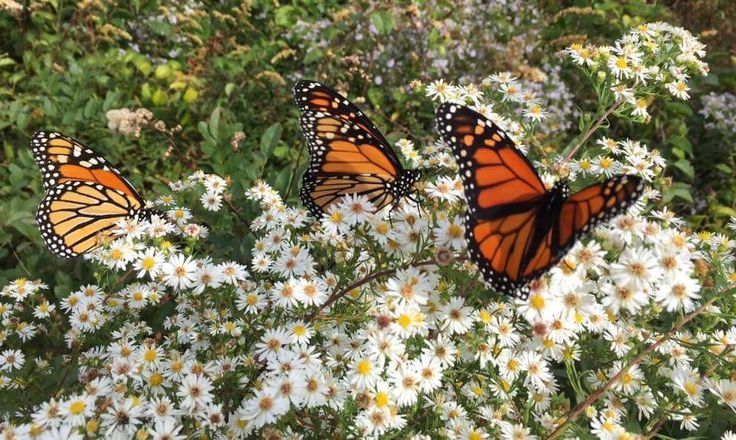
More than 360 threatened species, including rare birds, butterflies, wildflowers, insects, and freshwater wildlife, are set to benefit from a record £60 million investment aimed at restoring England's natural environment and reversing decades of biodiversity loss.
The funding, announced by Natural England as part of the Government's "Wild Again: Restoring England's Wildlife" initiative, will support 130 conservation projects protecting 364 threatened species over the next three years. The programme represents the largest investment ever made in species recovery across England.
Among the species expected to benefit are swallowtail butterflies, white clawed crayfish, ghost orchids, red squirrels, water voles, nightingales, turtle doves, and several endangered bees, bats, and wildflowers. Many of these species have experienced significant population declines in recent decades due to habitat loss, pollution, invasive species, and climate change.
Cumbria will receive a share of the funding through several local conservation projects. The West Cumbria Rivers Trust has secured £820,000 to restore river habitats and support the recovery of the endangered freshwater pearl mussel, while other projects will focus on protecting the northern dune tiger beetle and the rare field gentian plant. Planned work includes riverbank restoration, floodplain improvements, reducing sediment pollution, and strengthening freshwater ecosystems.
Elsewhere, innovative conservation techniques will be used to protect wildlife. Detection dogs and environmental DNA technology will help locate rare ghost orchids, while scientists will study the impact of "forever chemicals" on dolphins and harbour porpoises. Other projects will monitor butterfly populations and expand breeding programmes for endangered invertebrates through partnerships with zoos and conservation organisations.
Environment Secretary Emma Reynolds said the investment demonstrates the Government's commitment to reversing nature loss, with almost one in six species in Britain currently facing the risk of extinction. Officials say the programme supports national targets to halt species decline by 2030 while improving habitats that also benefit farming, water quality, and climate resilience.
Conservation groups have welcomed the funding, saying it will strengthen partnerships between environmental organisations, landowners, farmers, and local communities. By combining habitat restoration with practical species recovery work, they hope the programme will secure a healthier future for some of England's most vulnerable wildlife while protecting biodiversity for generations to come.
Got a news story or tip to share? Contact our editorial team by emailing news@lakelandpost.co.uk or call us directly on 0333 090 2080.