
£40.4m Road Investment Planned For North And West Cumbria
Cumberland Council is planning a major £40.4m highways investment programme covering roads, pavements, bridges and drainage across North and West Cumbria.
The authority has published its first Highways Maintenance Transparency Report, providing details of how it manages the extensive network under its responsibility. The report covers more than 3,700 kilometres of roads alongside pavements, cycleways, bridges, drainage infrastructure, street lighting and other highway assets. It also sets out how funding will be allocated during the 2026/27 financial year, with a greater emphasis on planned maintenance and preventative work.
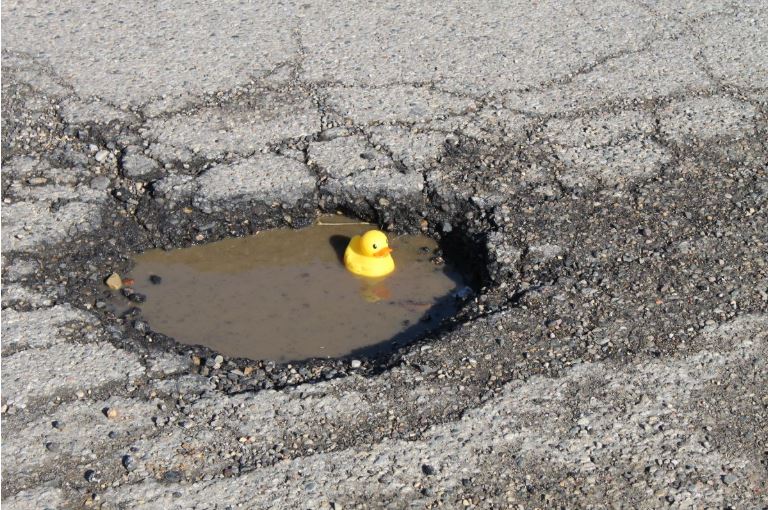
More than 32,500 potholes were recorded and repaired across the network during the 2025/26 financial year. The total included 22,779 permanent repairs, with an average cost of around £123 each, alongside 9,762 temporary repairs costing an average of approximately £98. The figures demonstrate the scale of routine highway maintenance required across the area and the resources needed to keep roads safe and usable.
Around 80 per cent of pothole repairs are now carried out by the council's own teams, while the remaining 20 per cent are completed by specialist contractors. Contractors use techniques including thermal repair methods and spray injection to deal with defects. The council also operates a right first time approach rather than offering volume based rewards, meaning failed repairs must be completed again by contractors at their own expense.
The projected highways maintenance budget for 2026/27 is £40,428,298, representing a substantial increase from the £23,526,154 spent during 2024/25. The increase has been driven largely by additional funding from central government. Of the projected total, £36,672,999 is expected to come through the Department for Transport or other UK Government funding, with the remainder coming from the council or other sources.
Roads and carriageways are set to receive the largest direct allocation, with £23,947,994 earmarked for maintenance. A further £5,008,991 is projected for bridges and other structures, while drainage is allocated £1.5m. Pavements will receive £1,226,100 and street lighting is allocated £476,000, alongside additional spending covering a range of other highway assets and services.
The road programme includes planned preventative and structural maintenance as well as reactive repairs. Preventative road maintenance is projected to receive almost £1.93m in capital funding, while planned structural maintenance accounts for more than £18.4m. Planned repair and patching programmes are allocated a further £1.49m, with additional funding available for temporary and permanent reactive repairs when defects require more immediate attention.
The council also plans to increase the amount of road surface receiving preventative treatment. The programme is expected to cover 72.4 kilometres during 2026/27, compared with 67 kilometres during the previous financial year. Planned structural maintenance is also due to increase significantly, rising from 21 kilometres to 33.7 kilometres as the authority seeks to address longer term deterioration across the network.
Drainage is another major part of the programme, particularly because heavy rainfall can contribute to road damage and deterioration. The authority has indicated that 70 per cent of its drainage spending will be directed towards proactive maintenance. A total of 39 drainage schemes are planned, with more than £1m allocated specifically to those projects as part of the wider highways programme.
The council is responsible for approximately 1,929 kilometres of pavements and 675 kilometres of cycleways, as well as more than 3,000 kilometres of public rights of way. The wider network also includes thousands of drainage gullies, street lighting columns, illuminated signs, traffic signals and pedestrian crossings. The scale of these assets means the maintenance programme extends considerably beyond pothole repairs and road resurfacing.
Bridge and structure maintenance will receive more than £5m from the overall budget, with 87 schemes included in the planned programme. During the previous financial year, the council carried out 470 general bridge inspections and 19 principal inspections. Twenty-seven structures were subsequently given interim measures after being identified as substandard, highlighting the continuing need for inspection and maintenance work across the network.
Investment has also been made in bringing more highway work in house. During 2025/26, the council spent £340,000 on a new paving machine. The equipment was used to deliver around 41,877 square metres of carriageway improvements and approximately 45,000 square metres of resurfacing directly, reducing reliance on external contractors while also allowing council staff to develop additional skills.
Technology is increasingly being used to support the authority's approach to highway maintenance. Vehicle mounted cameras and computer vision systems are being used to identify road surface defects, create inventories of traffic signs and monitor deterioration in road markings. An AI traffic monitoring system introduced in June is also collecting anonymised information about vehicle, cyclist and pedestrian movements to help inform future infrastructure planning.
Other technology includes a trial of KaarbonTech SMART Shot AI, which is designed to provide early warnings about flood risks, drainage blockages and land instability. Drone surveys are also being used to inspect bridges and other difficult to access structures. These surveys can produce detailed three dimensional models, giving engineers additional information when assessing assets and planning maintenance work.
The authority's wider responsibilities include 830 bridges, 352 culverts, retaining walls, cattle grids and sea defences, alongside more than 71,000 gullies and almost 28,000 street lighting columns. It also manages 2,257 illuminated signs, 62 traffic signals and 71 pedestrian crossings. The maintenance report provides a broader picture of the infrastructure required to support communities, businesses and visitors throughout the area.
Cumberland Council also has a 30-year Private Finance Initiative contract with Connect CNDR Ltd covering A roads. The agreement is scheduled to continue until July 2039. Alongside the council's own maintenance activity, this arrangement forms part of the wider system used to manage and maintain the area's strategic road network over the longer term.
The council has said the new transparency report is intended to give residents a clearer understanding of how decisions about highway investment are made. Councillor Denise Rollo, executive member for sustainable, resilient and connected places, said the highways network is among the authority's most important assets and supports communities, businesses, visitors and economic activity across the area.
The £40.4m programme will therefore cover a broad range of work rather than focusing solely on potholes. Road resurfacing, preventative treatments, structural repairs, drainage improvements, bridge schemes, pavement work, street lighting and technology supported inspections will all form part of the planned investment. The council's report provides residents with greater detail about where the funding is expected to be directed during the current financial year.
Got a news story or tip to share? Contact our editorial team by emailing news@lakelandpost.co.uk or call us directly on 0333 090 2080.