
£3.1m Boost For Urgent Restoration Of South Cumbrian Church
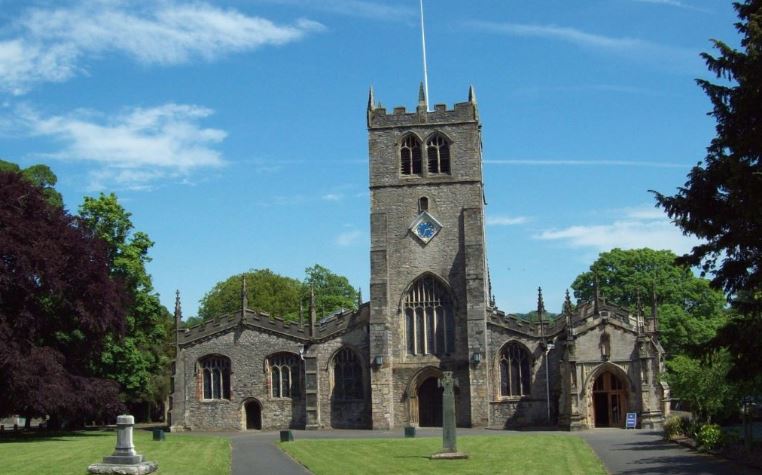
Kendal Parish Church has secured major heritage funding to support urgent repairs and protect one of the town’s most important historic buildings.
The church has received £3.1m from the National Lottery Heritage Fund towards a wider £4.3m conservation and improvement project. The funding will support urgent restoration work at the Grade I listed building, including repairs to its 15th century tower and the roof of Bellingham Chapel. The project will also create flexible spaces within the outer aisles for community activities, alongside improvements designed to make the building more accessible and environmentally efficient.
Kendal Parish Church is the oldest building in the town that is still being used for its original purpose. The church has played a central role in the community for more than 1,000 years and remains both a place of worship and a heritage destination. More than 7,000 people visit the building each year, underlining its importance not only to the local congregation but also to residents and visitors interested in Kendal's history.
The need for restoration has become increasingly urgent since the building was added to Historic England's Heritage at Risk Register in 2024. The listing reflects concerns about the condition of important parts of the historic structure and the need for conservation work. The new funding will allow the church to progress with a substantial programme of repairs intended to address those concerns and safeguard the building for future generations.
One of the main elements of the project will be restoration of the church's 15th century tower. The tower forms a significant part of the historic building and requires specialist conservation work to ensure its long term condition. The project will also address the roof of Bellingham Chapel, another important historic feature within the church complex. Together, these works form a major part of the conservation programme supported by the heritage grant.
The project will not focus solely on repairs to the historic fabric of the building. Plans also include creating flexible spaces within the outer aisles that can be used by the wider community. These areas are intended to provide opportunities for different activities and help the church continue functioning as a community hub alongside its role as a place of worship.
Accessibility is another part of the planned improvements. The project includes measures to improve physical access for visitors, helping more people experience the building and its heritage. Making historic buildings easier to access can present particular challenges because conservation requirements need to be balanced with modern needs. The planned work will therefore combine improvements for visitors with the protection of the building's historic character.
A new heating system is also included in the programme. The upgrade is expected to reduce carbon emissions while improving the building's facilities for people using it throughout the year. Energy efficiency is increasingly important for historic churches, where large spaces can be difficult and expensive to heat. The planned system forms part of the wider effort to make the building more sustainable while preserving its architectural and historic significance.
The restoration project has been developed with support from several local groups and organisations. Westmorland and Furness Council has also been involved, alongside regional trusts and individuals who have contributed financially. Their support has helped bring together the funding and planning required for a project of this scale. The £3.1m heritage grant now provides the largest contribution towards the wider programme.
More than £500,000 has already been invested in maintaining the church in recent years. That spending reflects the ongoing cost of looking after a large historic building that remains in active use. Regular maintenance is particularly important for structures of this age, as delays in addressing problems can allow deterioration to become more serious. The new project will build on that previous work with a more extensive programme of conservation.
The Rev Canon Shanthi Peiris, vicar of Kendal Parish Church, welcomed the funding and said the project would allow the church's plans to move forward. She highlighted the connection between the building's heritage and its role within the local community, while also confirming that the church will remain open for worship and other activities while the building work takes place.
The continued use of the church during restoration means the project will need to be carefully managed around regular services and community activities. Keeping the building operational will allow worship and other activities to continue while conservation work is carried out. It also reflects the wider purpose of the project, which is not simply to preserve a historic structure but to ensure it remains a functioning part of Kendal's community life.
Helen Featherstone, director of England, North at the National Lottery Heritage Fund, said the organisation was pleased to support the urgent restoration of the church. She highlighted the work planned for the tower and Bellingham Chapel roof, as well as the creation of flexible spaces intended to encourage future generations to engage with the building's heritage.
The project is expected to strengthen the church's role as a place where heritage and community activity can come together. The proposed flexible spaces will provide opportunities for new uses while the restoration programme will protect important historic features. Improvements to access and heating will also help the building meet modern needs without removing its distinctive character.
For Kendal, the restoration represents a significant investment in a building that has remained part of the town's identity for more than a millennium. The church's continued use means that its preservation has relevance beyond architectural conservation, as it remains connected to local worship, community activity and tourism. The project aims to ensure those different roles can continue in the years ahead.
The £3.1m grant provides a major step towards delivering the wider £4.3m programme and removing Kendal Parish Church from the Heritage at Risk Register. With restoration of the tower and chapel roof, improved access, a new heating system and more adaptable community spaces planned, the project will address both immediate conservation needs and the longer term future of the building.
The work will ultimately help protect one of South Cumbria's most significant historic landmarks while maintaining its role as a working church and community hub. The funding means the planned restoration can now move forward, with the building remaining open for worship and other activities as the conservation programme is delivered.
Got a news story or tip to share? Contact our editorial team by emailing news@lakelandpost.co.uk or call us directly on 0333 090 2080.