
Netanyahu Pushes Controversial Laws Ahead Of Israeli Election
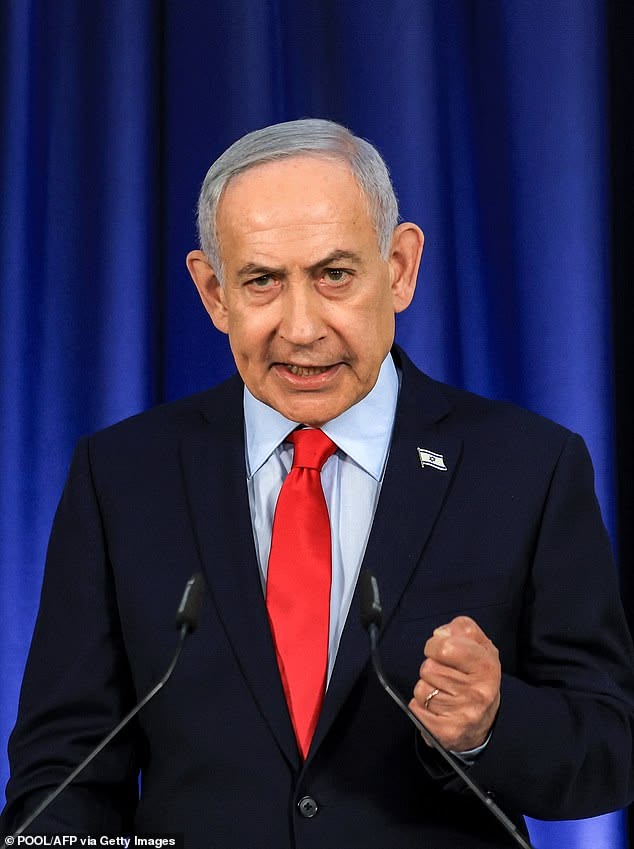
Israeli Prime Minister Benjamin Netanyahu's coalition passed several controversial pieces of legislation before the Knesset dissolved ahead of national elections scheduled for 27 October, with critics accusing the government of prioritising political survival over national unity.
The legislation was approved during a final burst of parliamentary activity before lawmakers voted to dissolve the Knesset. Among the most contentious measures were proposals strengthening protections for ultra Orthodox religious students from military service, reducing the powers of the attorney general, and advancing judicial and media reforms that have divided Israeli politics.
Netanyahu's allies argue the legislation fulfils long standing commitments made to coalition partners and reflects the priorities of the government. They say the measures are necessary to protect religious freedoms, improve governance, and deliver reforms promised to voters.
Opposition leaders strongly criticised the bills, arguing they were rushed through parliament to satisfy far right and ultra Orthodox coalition partners before the election campaign officially begins. Critics also warned that some of the reforms could weaken democratic institutions and deepen divisions within Israeli society.
The parliamentary session was marked by heated exchanges, with opposition lawmakers protesting throughout the debate. Netanyahu briefly left the chamber amid loud heckling before the votes were completed, highlighting the increasingly tense political atmosphere ahead of the election.
Israel will head to the polls on 27 October, marking the country's first general election since the Hamas attacks of October 2023 and the subsequent regional conflicts. Opinion polls suggest Netanyahu faces one of his toughest political challenges in years, with former military chief Gadi Eisenkot emerging as one of his strongest rivals.
Political analysts believe the election campaign will focus heavily on national security, military conscription, judicial reform, and the government's handling of recent conflicts. Coalition building is also expected to play a decisive role after the vote, with no single bloc currently projected to secure an outright parliamentary majority.
Got a news story or tip to share? Contact our editorial team by emailing news@lakelandpost.co.uk or call us directly on 0333 090 2080.