
Can a New Israeli Leader End the Country’s Growing Global Isolation?
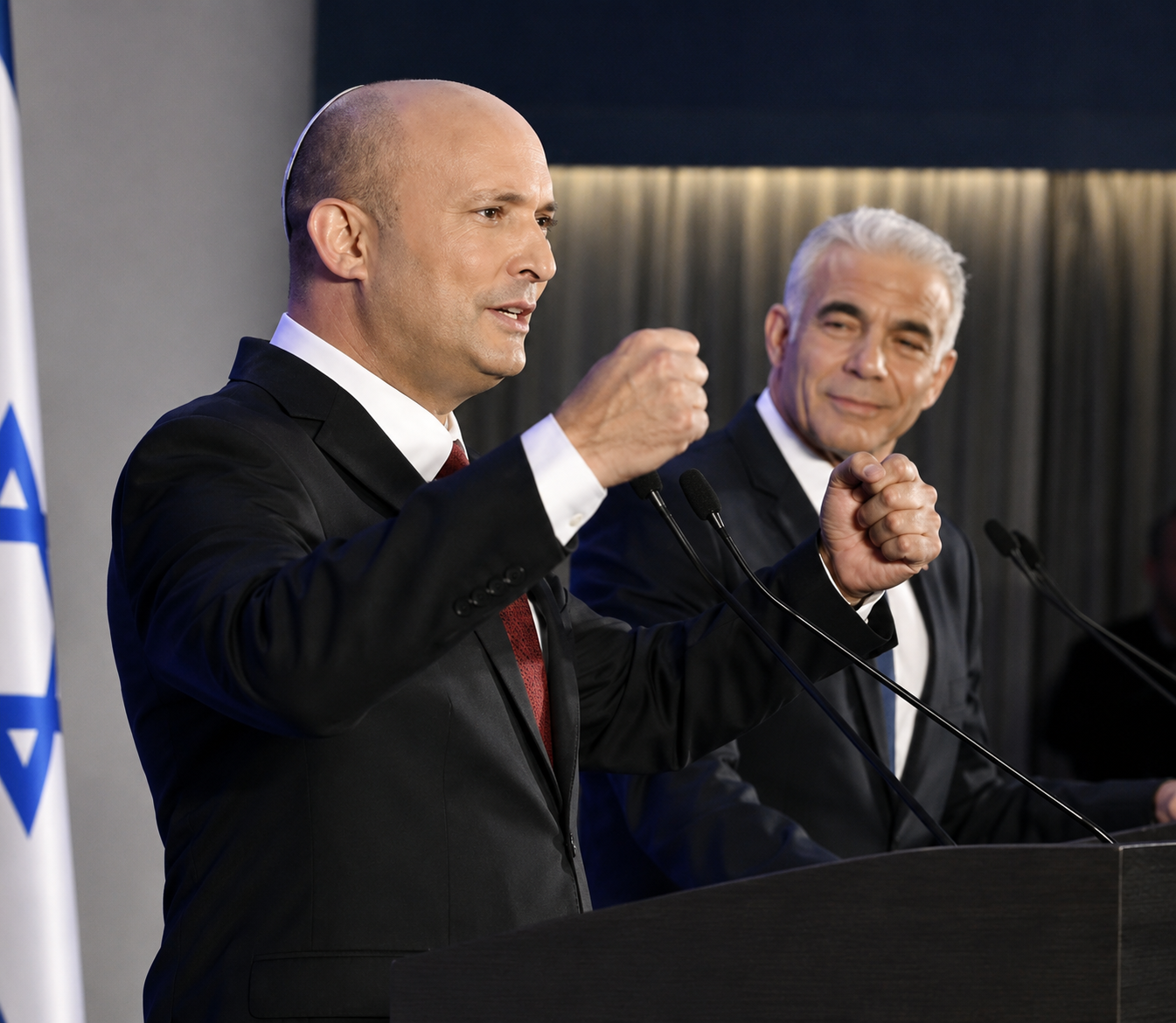
Israel’s political opposition is attempting to present itself as a fresh alternative to Prime Minister Benjamin Netanyahu as the country faces growing diplomatic isolation over the war in Gaza and its wider regional policies.
Former Prime Ministers Naftali Bennett and Yair Lapid recently announced a new political alliance ahead of Israel’s upcoming elections, promising a leadership shift that they say could help restore Israel’s international standing. The move comes at a time when Israel is facing heavy criticism from governments, human rights groups, and international organizations over the humanitarian crisis in Gaza.
Despite their criticism of Netanyahu’s leadership style and political strategy, both Bennett and Lapid continue to support many of Israel’s core military and security policies. Analysts say this raises serious questions about whether a leadership change alone would significantly alter Israel’s relationship with the international community.
Israel’s global image has suffered heavily since the start of the Gaza conflict, with several countries reconsidering diplomatic ties, trade cooperation, and military partnerships. International condemnation has intensified over reports of civilian deaths, humanitarian shortages, and allegations of violations of international law.
Political observers argue that Netanyahu has increasingly become the public face of Israel’s isolation. Critics inside and outside Israel claim his aggressive regional policies and confrontational approach toward international institutions have deepened tensions with allies and fueled global protests.
However, experts believe the deeper issue may go beyond one political figure. Many argue that Israel’s broader policies toward Palestinians, settlement expansion, and military operations remain widely supported across much of the Israeli political spectrum. Because of this, some analysts say replacing Netanyahu may improve Israel’s tone diplomatically, but may not fundamentally change international criticism.
The debate comes as Israel faces rising economic and political pressure linked to its international standing. Concerns over foreign investment, diplomatic relations, and growing calls for sanctions have become major topics inside Israeli politics.
Meanwhile, opposition leaders hope public frustration over economic challenges, security concerns, and diplomatic tensions could weaken Netanyahu’s long hold on power. Yet many voters remain divided over whether any future government would truly pursue a different path in dealing with Gaza and the wider Palestinian issue.
As the election campaign intensifies, the central question facing Israel may not simply be who leads the country next, but whether any leadership change can reverse the growing sense of international isolation surrounding the state.
Got a news story or tip to share? Contact our editorial team by emailing news@lakelandpost.co.uk or call us directly on 0333 090 2080.