
Four ancient Neolithic sites that helped shape the history of the Lake District revealed
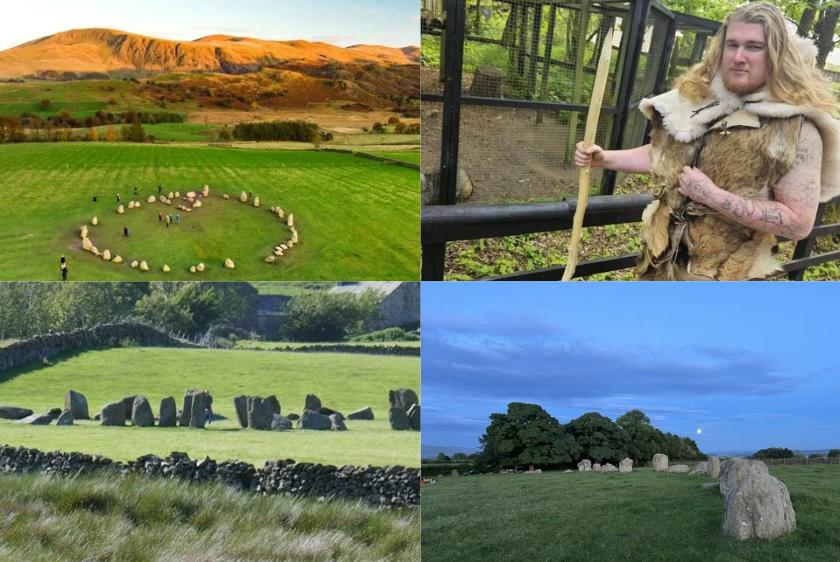
The Lake District is widely known for its mountains and lakes, but hidden across the region are several remarkable Neolithic monuments that reveal the area’s deep prehistoric past and the lives of the communities who once lived there.
Among the most significant sites is Castlerigg Stone Circle near Keswick, considered one of the oldest stone circles in Britain and believed to date back around 5,000 years. The site remains one of Cumbria’s most famous prehistoric landmarks and is surrounded by dramatic mountain scenery. Archaeologists believe it may have been used for ceremonial gatherings or astronomical observation.
Another important location is Swinside Stone Circle, also known as Sunkenkirk, near Millom. The monument is regarded as one of the best preserved stone circles in England, featuring dozens of standing stones arranged in a near perfect circle. Historians say the site offers valuable insight into the beliefs and traditions of Neolithic communities living in the region thousands of years ago.
Experts also point to prehistoric rock art sites found in areas such as Ullswater and Langdale, where ancient carvings and markings on stone surfaces continue to fascinate researchers. These discoveries have helped build a clearer understanding of how early communities communicated, marked landscapes, and possibly carried out rituals.
The Lake District’s prehistoric importance extends beyond stone circles. Historians believe the region played a key role during the Neolithic period due to its valuable stone resources, particularly in Langdale, where evidence suggests ancient communities produced stone axes traded across Britain and Ireland.
Many of these ancient landmarks remain freely accessible to visitors and continue to attract tourists, historians, and archaeology enthusiasts eager to experience the mystery and atmosphere of Britain’s prehistoric past.
Local heritage groups say preserving these monuments is essential not only for tourism but also for protecting an important chapter of the Lake District’s cultural identity and historical development.
Got a news story or tip to share? Contact our editorial team by emailing news@lakelandpost.co.uk or call us directly on 0333 090 2080.