
Cumbria’s top ancient stone circles revealed as visitors praise prehistoric landmarks
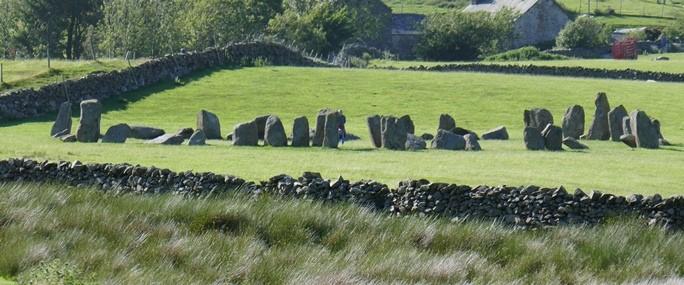
Cumbria’s prehistoric landmarks are once again attracting attention after several of the county’s best known stone circles were highlighted among the most highly rated historical attractions by visitors.
The region is home to some of Britain’s oldest surviving monuments, drawing thousands of tourists, historians, photographers, and archaeology enthusiasts every year. Many visitors describe the sites as both historically fascinating and visually stunning due to their dramatic countryside settings.
Among the most famous is Castlerigg Stone Circle near Keswick, widely considered one of the oldest and most important stone circles in the country. Surrounded by mountains and open landscapes, the site continues to be one of Cumbria’s most visited prehistoric attractions. Historians believe the monument dates back more than 4,000 years and may have been used for ceremonial or ritual purposes.
Another well known location is Long Meg and Her Daughters near Penrith, one of the largest stone circles in England. The monument has become famous for both its scale and the legends linked to its history, helping it remain a popular attraction for visitors interested in ancient Britain.
Swinside Stone Circle, also known as Sunkenkirk, near Millom, has also earned praise from visitors for its peaceful setting and impressive preservation. Experts often describe it as one of the finest surviving stone circles in England due to the number of original stones that remain standing today.
Tourism leaders say interest in historical and heritage attractions across Cumbria continues to grow as more travellers seek outdoor destinations connected to culture, archaeology, and local history.
The Lake District’s prehistoric sites are considered an important part of the region’s identity and continue to contribute to tourism, education, and heritage preservation efforts throughout Cumbria.
Many of the ancient monuments remain freely accessible to the public, allowing visitors to experience some of Britain’s earliest surviving landmarks while exploring the natural beauty of the Cumbrian landscape.
Got a news story or tip to share? Contact our editorial team by emailing news@lakelandpost.co.uk or call us directly on 0333 090 2080.