
Sharp Rise In UK Cyclospora Cases Linked To Travel To Mexico
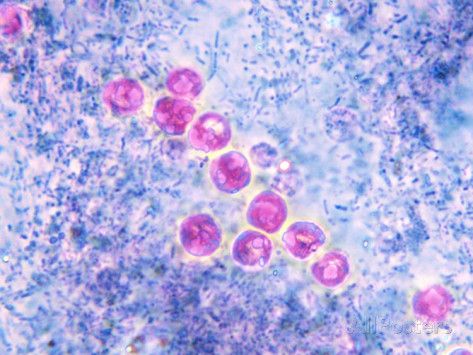
UK health officials have reported a sharp increase in cyclospora infections among travellers returning from holidays in Mexico this summer.
The UK Health Security Agency (UKHSA) has recorded 67 confirmed cases of cyclosporiasis between late April and mid July. Most infections have been linked to travellers who stayed at all inclusive resorts in popular destinations including Cancún and the Riviera Maya.
Cyclosporiasis is caused by the parasite Cyclospora cayetanensis, which spreads through food or water contaminated with human waste. The parasite is commonly associated with fresh produce such as leafy greens, herbs and berries that have not been properly washed. It does not spread directly from person to person.
Symptoms usually develop around a week after exposure and include severe watery diarrhoea, stomach cramps, bloating, nausea, fatigue, loss of appetite and weight loss. Without treatment, the illness can last for several weeks and symptoms may return after initially improving.
The warning comes as the United States continues to deal with a much larger cyclospora outbreak linked to contaminated produce. Thousands of cases have been reported across multiple states, increasing concern among international public health authorities.
UKHSA is advising travellers to follow strict food and water hygiene precautions while abroad. Recommendations include drinking bottled or treated water, avoiding uncooked foods that may have been washed with unsafe water, peeling fruit where possible and washing hands regularly before eating.
Anyone who develops persistent diarrhoea or other symptoms after returning from overseas should seek medical advice and inform healthcare professionals about their recent travel history. Early diagnosis allows treatment with appropriate antibiotics, which can shorten the illness and reduce complications.
UK health officials expect additional travel related cases to be reported during the summer holiday season and will continue monitoring the situation while working with international partners to identify the source of infections.
Got a news story or tip to share? Contact our editorial team by emailing news@lakelandpost.co.uk or call us directly on 0333 090 2080.