
Cumbria Faces Ongoing Asbestos Death Toll Linked To Historic Shipbuilding Industry
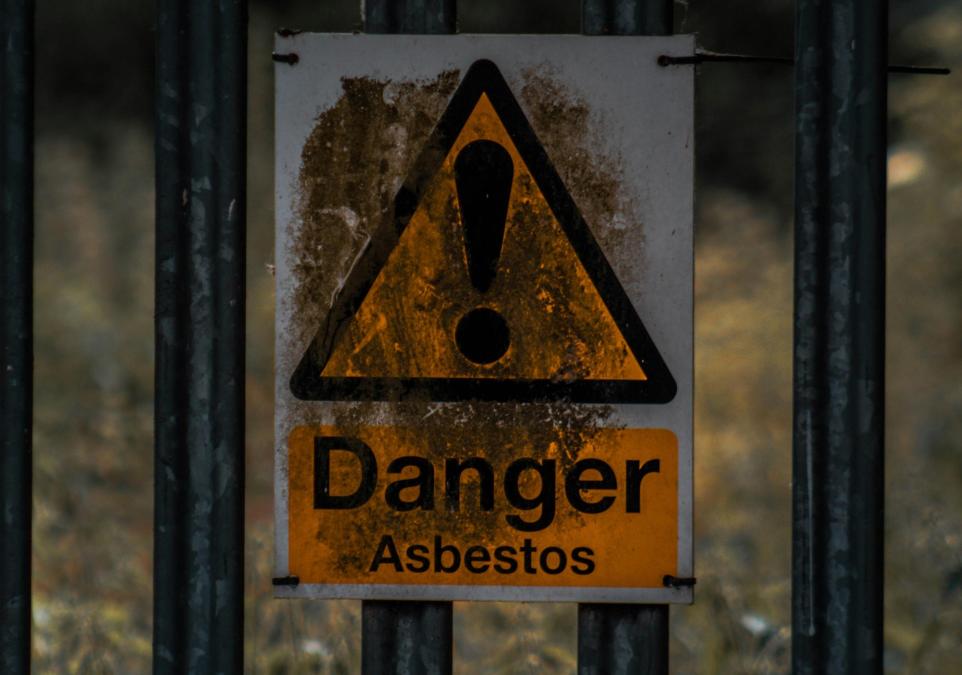
Cumbria continues to experience one of the UK's most significant legacies of asbestos related disease, with new figures drawing attention to the continuing number of deaths linked to exposure that occurred decades ago in the county's historic industrial workplaces.
The issue is particularly associated with Barrow in Furness, where the town's internationally recognised shipbuilding industry relied heavily on asbestos for insulation and fire protection throughout much of the twentieth century. Thousands of workers were exposed while constructing and repairing ships and submarines, often without being fully aware of the serious long term health risks.
Health experts explain that illnesses caused by asbestos typically develop after a very long latency period, often taking 20 to 50 years before symptoms appear. As a result, people exposed during the 1960s, 1970s and 1980s are still being diagnosed with diseases including mesothelioma, asbestos related lung cancer, and asbestosis today.
According to campaigners and legal specialists working with asbestos victims, Barrow in Furness has recorded one of the highest rates of mesothelioma deaths in Britain because of its industrial history. They say the town continues to experience the long term consequences of widespread asbestos use in shipyards and other heavy industries.
Trade unions and health organisations continue to call for stronger action to safely remove asbestos from older buildings and workplaces. They argue that while the material has long been banned from new construction, large quantities remain in schools, hospitals, factories, and public buildings, creating potential risks if disturbed during maintenance or renovation work.
Medical professionals also stress the importance of early diagnosis. Symptoms of asbestos related diseases can include persistent coughing, chest pain, breathlessness, and unexplained weight loss. Anyone with a history of occupational asbestos exposure who develops these symptoms is encouraged to seek medical advice promptly.
The impact of asbestos has extended beyond former shipyard workers. In some cases, family members were also exposed after workers unknowingly carried asbestos dust home on their clothing, a form of secondary exposure that has resulted in additional cases of asbestos related illness.
Although asbestos use has dramatically declined, the continuing death toll demonstrates the lasting consequences of historic industrial practices. Campaigners say the situation serves as a reminder of the importance of protecting workers, safely managing existing asbestos, and supporting those affected by diseases linked to one of Britain's most significant industrial health legacies.
Got a news story or tip to share? Contact our editorial team by emailing news@lakelandpost.co.uk or call us directly on 0333 090 2080.