
Understanding the Shocking Statistic: 40% of people might save their dog in an emergency instead of a stranger Hypothetical Emergency
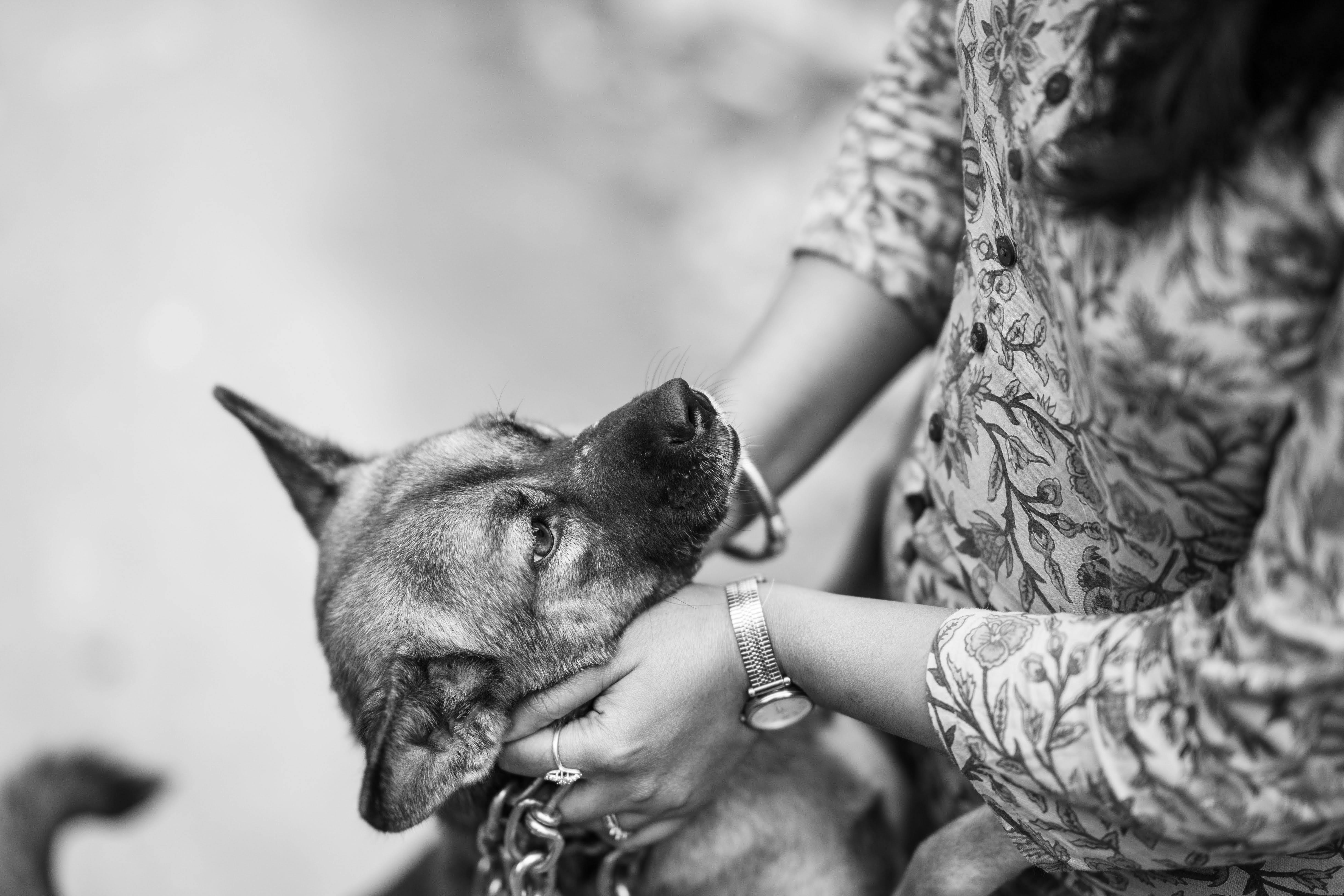
In recent years, researchers and psychologists have been surprised by how many people say they would prioritize their pet over a stranger in a crisis situation. According to hypothetical survey data, 40% of people might save their dog in an emergency instead of a stranger Hypothetical Emergency, and this figure raises important questions about instinct, morality, and emotional reasoning. While this scenario isn’t about judging right or wrong, it offers a fascinating look into how humans react under stress and why emotional bonds often override logic.
What This Statistic Really Means
Exploring the Psychology Behind Such Decisions
When people imagine emergencies, their minds often default to emotional scenarios rather than practical ones. Humans are built to form strong bonds with their pets, sometimes even stronger than their connections with unfamiliar people. The idea of losing a beloved dog can trigger intense fear and sadness even in a hypothetical question.
Emotional vs Rational Thinking During Crises
During real emergencies, people rarely have time to think logically. Instead, emotions take over. That’s why hypothetical surveys don’t always reflect reality. Many respondents say they’d save their dog, but in a real situation, instinct may push them toward helping a human first.
The Human-Pet Bond in Modern Society
Why Dogs Feel Like Family Members
Dogs aren’t just animals they’re companions, protectors, and emotional supporters. Many people view their dogs as children, creating a family-like bond that heavily influences hypothetical choices.
The Science of Attachment and Loyalty
Studies show that dogs activate the same brain regions associated with love and bonding that humans experience with close family members. This makes the idea of choosing a stranger over a loyal companion feel emotionally unnatural to some people.
Ethical Dilemmas in Hypothetical Emergency Scenarios
Morality vs Instinct
Morally, most people agree that human life should be prioritized. But instinct doesn’t always follow moral rules. When faced with emotional stress, instinct may push someone to save the being they love most.
Cultural and Social Influences
In some cultures, animals are deeply respected and cared for. In others, human life is viewed as unquestionably superior. These cultural differences influence how people respond to hypothetical questions about emergencies.
The Role of Fear, Stress, and Split-Second Decisions
During emergencies, stress can cloud judgment. The brain’s fight-or-flight system kicks in, forcing people to react quickly often emotionally.
How the Human Brain Reacts Under Pressure
The amygdala, responsible for emotional responses, becomes more active during danger. This can override the logical reasoning handled by the prefrontal cortex.
Fight-or-Flight Responses and Emotional Bias
People tend to protect what they know, love, and trust. A dog fits all three categories, whereas a stranger does not.
Comparing Reactions: Saving a Stranger vs Saving a Pet
Real-world rescue stories often show people acting heroically to save strangers. Yet hypothetical scenarios tend to evoke different, more emotional answers. Experts believe this contradiction happens because hypothetical emergencies lack real fear they’re thought experiments.
How Survey Questions Influence Responses
Surveys are powerful, and the wording can dramatically change results. If a survey emphasizes emotional connection, respondents may lean toward saving their dog. If it highlights moral duty, results shift toward saving a stranger.
Media Influence and Public Perception
Movies, shows, and viral videos often show pets as innocent, loyal companions, which boosts empathy. Meanwhile, media rarely showcases strangers in a relatable way, making them feel distant in hypothetical choices.
What Pet Owners Say About Loyalty
Many dog owners say their pets have been with them through tough times. That loyalty builds a connection that influences emotional decision-making.
Legal and Ethical Responsibilities
Legally, humans are typically required to prioritize saving people over pets in real emergencies. However, in scenarios where the pet is the only immediate being at risk, saving the dog isn’t illegal.
Understanding Empathy Distribution
Empathy isn’t unlimited. Many people feel stronger empathy toward beings they know personally. This isn’t selfish it’s natural human psychology.
The Impact of Trauma on Rescue Decisions
People who have experienced loss, abuse, or abandonment often form deeper bonds with their pets. These individuals may feel more protective of their dogs.
How to Prepare for Real Emergencies
Practical Steps to Stay Calm
Practice basic safety drills
Keep emergency kits ready
Make decisions based on risk, not emotion
Emergency Planning for Pet Owners
Create an evacuation plan including pets
Train pets to respond to commands
Use GPS collars and ID tags
Improving Public Awareness and Compassion
Teaching people about real emergency responses can help them make safer, more ethical choices. Encouraging empathy for both humans and animals is key.
FAQs
1. Is it really true that 40% of people would save their dog over a stranger?
It’s based on hypothetical surveys, not real-life data. Responses may differ in actual emergencies.
2. Why do people feel so strongly about saving pets?
Pets offer unconditional love, emotional support, and companionship, creating strong attachments.
3. Would most people actually save a stranger in real life?
In real emergencies, many people act heroically. Hypothetical answers often differ from actual behavior.
4. Is choosing to save a dog over a human wrong?
Morally, most argue human life should come first, but emotions can influence hypothetical choices.
5. Do laws require you to save humans before animals?
In most regions, yes. Legal responsibility typically prioritizes human life.
6. How can I prepare emotionally for emergencies?
Training, awareness, and emergency planning help reduce panic and increase clear decision-making.
Final Thoughts: Balancing Love, Instinct, and Ethics
The idea that 40% of people might save their dog in an emergency instead of a stranger Hypothetical Emergency doesn’t mean people value dogs over humans. It simply reflects emotional bonds, stress responses, and the limitations of hypothetical thinking. With education and preparedness, people can make safer, more compassionate choices in real emergencies.