
UK’s warmest spring on record led to rise in songbirds breeding, data shows
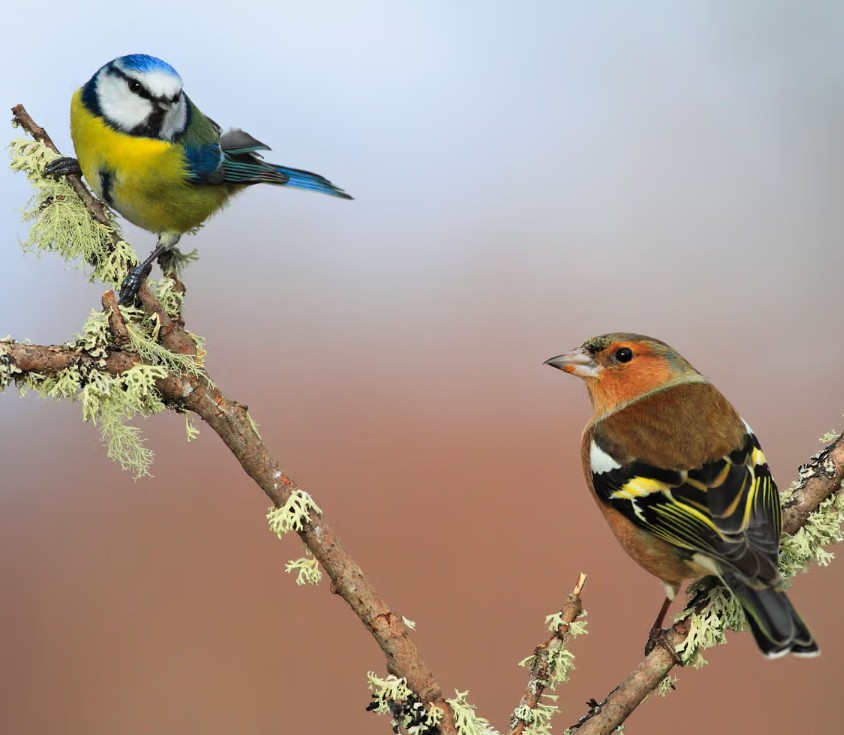
Britain’s warmest and sunniest spring on record has led to a boost in breeding success for some of the country’s best-loved songbirds, according to new data.
Scientists say the dry, mild conditions in spring 2025 offered a rare piece of good news for wild birds that have faced long-term population declines. During the 2025 breeding season, which runs from May to August, breeding success was higher than average for 14 species, including the chiffchaff, garden warbler, whitethroat, coal tit, blue tit, great tit and robin.
The findings come from monitoring carried out by volunteer bird ringers working with the British Trust for Ornithology (BTO). Throughout 2025, ringers tracked 29 songbird species at designated locations as part of the Constant Effort Sites scheme.
Under the scheme, birds are caught at the same sites using the same methods each summer. This allows scientists to track changes in adult numbers, the number of young birds fledged and how survival rates compare with previous years and decades.
The data show a marked contrast with the 2024 breeding season, which followed an exceptionally wet spring and saw lower breeding success across many species. In comparison, 2025 recorded above-average results for a wide range of birds.
Dr Ellie Leech, head of the BTO’s ringing scheme, said the improved figures were largely due to favourable weather conditions.
“Thanks to the fantastic efforts of BTO bird ringers, we know that the breeding success of 14 species was higher than average in 2025, in large part due to the mild weather,” she said. “This is welcome news.”
She added that the difference between the dry, sunny spring of 2025 and the persistent rainfall of 2024 highlighted the importance of weather, particularly for young birds.
“Young birds are less well insulated and less experienced at finding food in difficult conditions, so weather can have a huge impact on whether they survive,” Dr Leech said.
Above-average breeding success was recorded among several migratory species, including chiffchaff, reed warbler, blackcap, garden warbler and whitethroat. Resident species also showed encouraging signs, with statistically significant increases compared with the five-year average for nine birds: coal tit, blue tit, great tit, Cetti’s warbler, long-tailed tit, robin, dunnock, chaffinch and goldfinch.
The report suggests that prolonged dry and mild conditions not only improved survival rates for chicks but may also have increased the likelihood of second broods during the summer, further boosting productivity.
Despite the positive breeding results, researchers warned that adult numbers of some popular songbirds continued to fall. These declines are thought to reflect the poor breeding season in 2024.
Numbers of willow warblers and garden warblers recorded in 2025 were the lowest since monitoring began.
Dr Leech warned that climate breakdown could worsen pressures on wild birds in the long term, noting that several regularly monitored species continue to show sustained declines despite short-term improvements.
British bird populations remain under serious threat. The most recent red list of birds of conservation concern includes familiar species such as the skylark, starling, woodcock, house martin, house sparrow and swift.
According to the RSPB, farmland birds make up the majority of species in decline. The charity says intensive farming practices, including the widespread use of pesticides and fertilisers, are the primary drivers behind long-term population losses.