
From 2015 to 2025: How McDonald’s Has Transformed Over the Past Decade
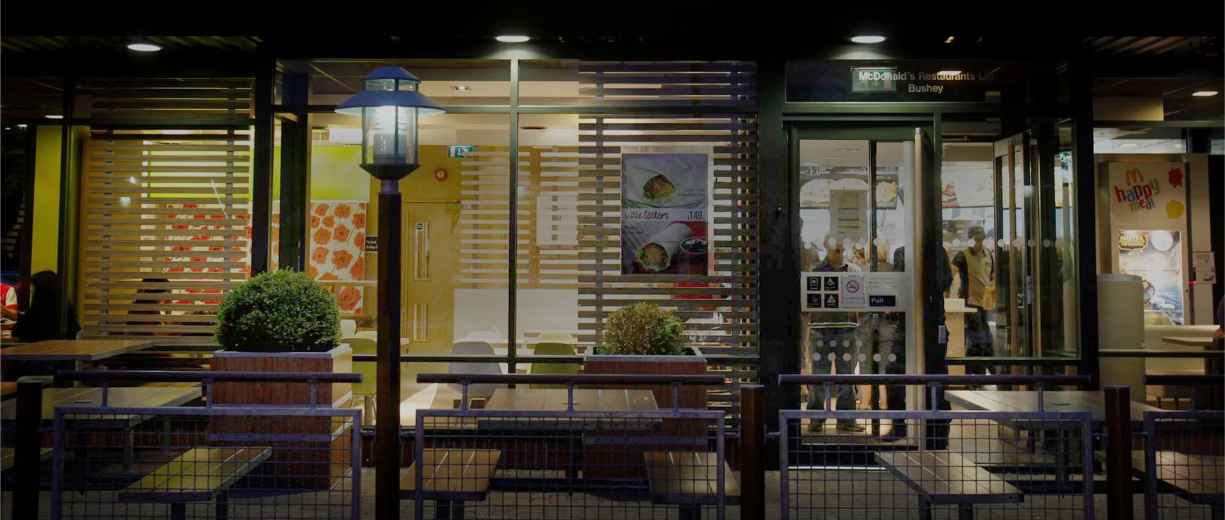
Ten years ago, the global fast-food giant McDonald’s was already a household name but the last decade has seen the company evolve significantly. From menu changes to digital innovation, from global expansion to renewed focus on sustainability and customer experience, McDonald’s in 2025 looks a bit different than it did in 2015. In this article, we explore how McDonald’s has changed over the past decade what stayed the same, what improved, and how the world’s biggest burger chain is adapting for the future.
A Quick Look Back: Where McDonald’s Stood in 2015
Before diving into recent changes, it helps to see what McDonald’s looked like around 2015:
McDonald’s had thousands of restaurants globally and a well established reputation for fast, affordable food.
In the UK, for instance, by 2015 McDonald’s had already rolled out a “Signature Collection” a range of more gourmet-style burgers aimed at offering a more premium experience.
The brand was working on refining its supply chain and public image: by that time, McDonald’s UK pledged to use 100% British potatoes for fries, and added more transparency around sourcing.
So 2015 was a moment of relative stability already global, relatively modern, but about to step into a decade of transformation.
What’s Changed: Key Developments from 2015 to 2025
Digital Innovation & Customer Convenience
McDonald’s has made a major push into digital services mobile ordering, loyalty programs, delivery, and more. By 2023, the company had a massive loyalty program and billions in sales linked to loyalty members, with plans to expand further by 2027.
The company is building toward a goal of 30% of delivery orders coming through its own mobile app by 2027.
Many restaurants have rolled out “Experience of the Future” upgrades self-service kiosks, improved in-store tech, redesigned interiors to modernize the dine-in experience.
Expansion & Global Reach
As of the early 2020s, McDonald’s operates tens of thousands of outlets around the world, continues to grow, and extends its reach to new markets.
The company’s global footprint remains vast, serving millions daily across continents.
Menu Evolution & Health, Sustainability Focus
McDonald’s has been introducing and promoting more ethically sourced ingredients: for example, in the UK they introduced Rainforest Alliance certified coffee and committed to animal welfare standards.
They’ve also expanded menu variety thoughtfully from “Signature Collection” gourmet burgers to flexibility in meal options.
On the global front, McDonald’s has responded to changing dietary preferences: in some regions, it has rolled out plant-based burgers like the McVegan.
Transparency, Supply-Chain Ethics & Public Image
Around mid-2010s, McDonald’s UK launched programs like “Farm Forward,” and introduced “Quality Scouts,” inviting the public to trace the journey of its products from farm to table. This reflects a change toward more transparency and accountability.
The chain has become more open about nutritional information, ingredients, sourcing a major shift from decades past.
Adaptation to Changing Times: Delivery, Convenience, & Pandemic Response
The rise of food delivery and mobile ordering reshaped how many customers get their McDonald’s not just dine in.
The chain’s adaptability has helped it weather disruptions like the global pandemic and evolving customer behavior.
Why These Changes Matter
Meeting modern consumer expectations: People today care about convenience, speed, flexibility. Mobile ordering, delivery, self-service kiosks all help McDonald’s stay relevant.
Responding to health & sustainability concerns: By offering ethical sourcing, transparency, and variety (including plant-based options), McDonald’s addresses growing demand for responsible eating.
Global scale + local sensitivity: McDonald’s remains global, but increasingly tailors its practices (sourcing, menus, sustainability) to local contexts a smart strategy in a changing world.
Resilience and growth: With digital tools, expanded delivery, and evolving offerings, McDonald’s has built resilience against market fluctuations, shifting tastes, and economic challenges.
What’s Next? What to Watch for in the Coming Years
McDonald’s aims to continue expanding its global footprint, possibly reaching 50,000 restaurants worldwide.
The growth of the loyalty program, mobile ordering, and digital ecosystem may deepen customer engagement and reshape how people interact with the brand.
Sustainability and responsible sourcing likely remain priorities as consumers demand more transparency and ethics in food.
Expect more menu innovation, catering both to evolving tastes (like plant-based, healthier options) and desire for convenience (delivery, apps, value meals).
Conclusion
Over the past ten years, McDonald’s has proved it’s more than just a fast-food titan resting on its legacy. It’s reinvented itself embracing digital transformation, ethical sourcing, menu innovation, global expansion, and a renewed focus on customer experience. For a brand that’s celebrated decades of dominance, adapting like this shows foresight and resilience. As we move into the next chapter, McDonald’s seems ready to stay relevant, influential, and hungry for growth all while navigating a world that’s changing fast.
“When you put people first, everything else follows.” a motto from McDonald’s that still resonates, even as the Golden Arches evolve.