
First Cases Of Bluetongue Confirmed At Two Cumbrian Farms.
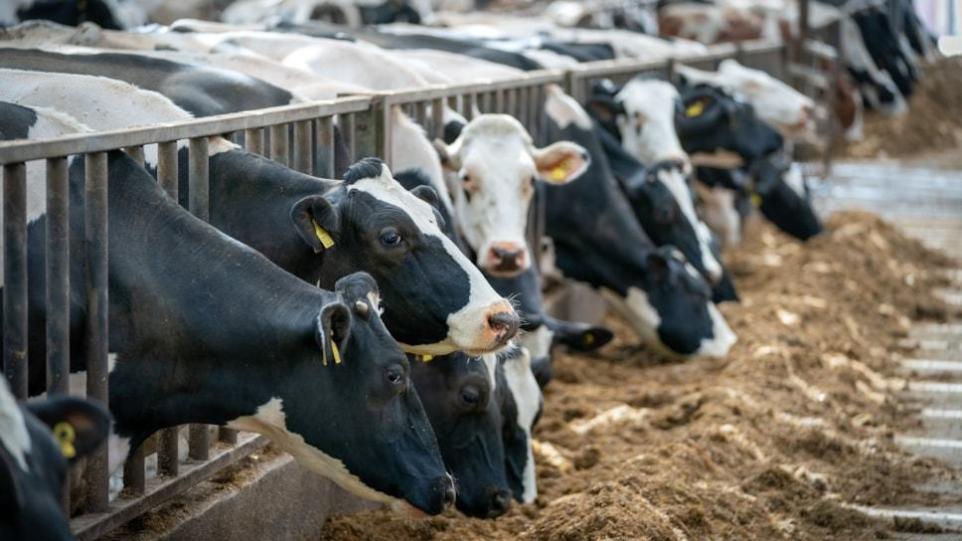
The first confirmed cases of bluetongue in Cumbria have been identified at two farms, with cases reported in the Millom and Carlisle areas.
Bluetongue is a viral disease affecting livestock, particularly sheep and cattle, as well as other ruminants including goats and deer. It is mainly transmitted by biting midges and can cause serious illness and death in affected animals. The disease does not affect humans and does not pose a food safety risk, meaning consumers do not need to be concerned about eating meat or dairy products as a result of the outbreak.
However, the arrival of confirmed cases in Cumbria is a significant development for the county's farming community. Livestock farmers are being urged to remain vigilant and consider measures available to protect their animals. Symptoms of bluetongue can include fever, facial swelling, nasal discharge, redness around the mouth and nose, lameness and difficulty standing. In severe cases, the disease can be fatal.
The virus is particularly challenging because it is spread by Culicoides biting midges, meaning transmission can occur between animals without direct contact. Weather and environmental conditions can therefore influence how quickly the disease spreads. The National Farmers' Union's Cumbria County Chair, Richard Pedley, has urged Cumbrian livestock farmers to assess the risks to their animals and speak with their farm veterinarians about available measures.
Vaccination is one of the measures available to help protect livestock against BTV-3, the strain currently causing concern across Great Britain. The Government has authorised three vaccines for BTV-3, although vaccine supplies remain under pressure. Defra and the Veterinary Medicines Directorate have been working with manufacturers to increase vaccine availability and encourage farmers and vets to place orders where appropriate.
The confirmed cases in Cumbria come as bluetongue continues to spread in other parts of England and into southern Scotland. Recent cases have also been identified in Dumfries and Galloway, increasing concerns about the movement of the disease in the north of Great Britain.
Restrictions relating to bluetongue are already in place across England, while additional control measures have been introduced in parts of Scotland following recent detections. The disease has become an increasing concern for farmers during the current outbreak season, with hundreds of confirmed cases recorded across Great Britain and further potential cases under investigation.
For Cumbrian farmers, the confirmation of cases at two local premises means increased awareness and monitoring will be particularly important. Early recognition of suspicious symptoms can help veterinary authorities respond more quickly.
Livestock keepers are required to report suspected bluetongue cases to the relevant authorities. Farmers are also being encouraged to seek veterinary advice about vaccination and other measures that could reduce the risk to their herds and flocks.
The confirmation of bluetongue in the Millom and Carlisle areas marks an important development for Cumbria's farming sector, with farmers across the county now watching the situation closely as authorities work to limit further spread.
Got a news story or tip to share? Contact our editorial team by emailing news@lakelandpost.co.uk or call us directly on 0333 090 2080.